EXHIBITION
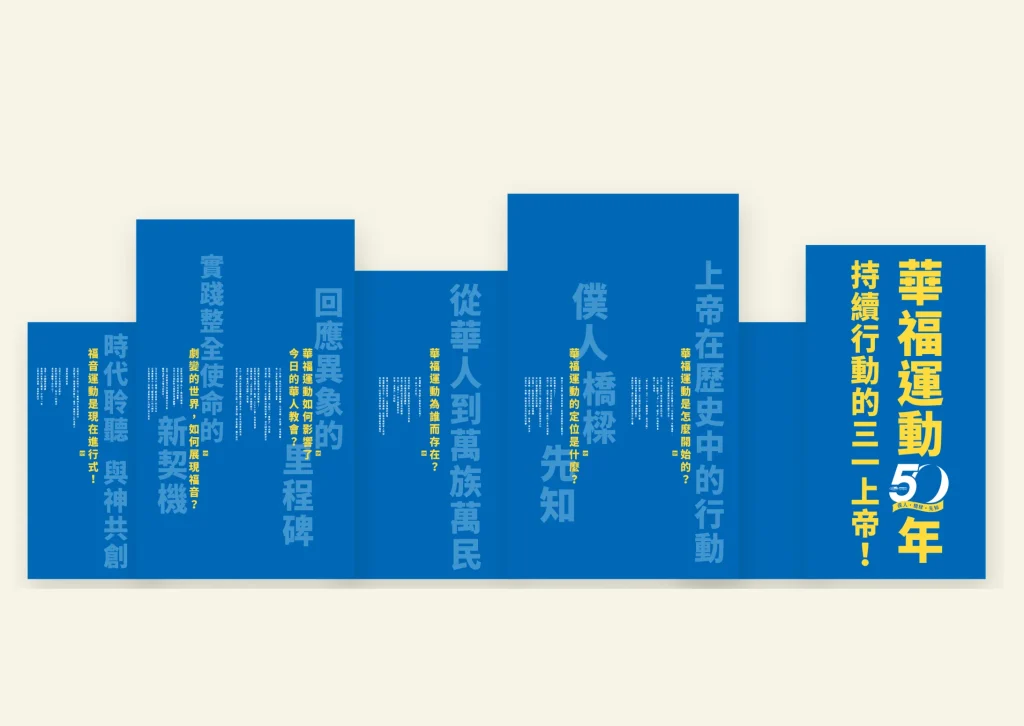
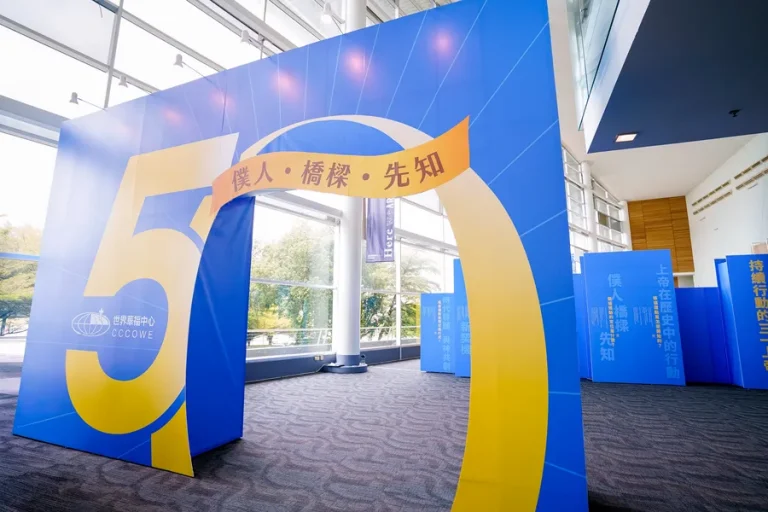
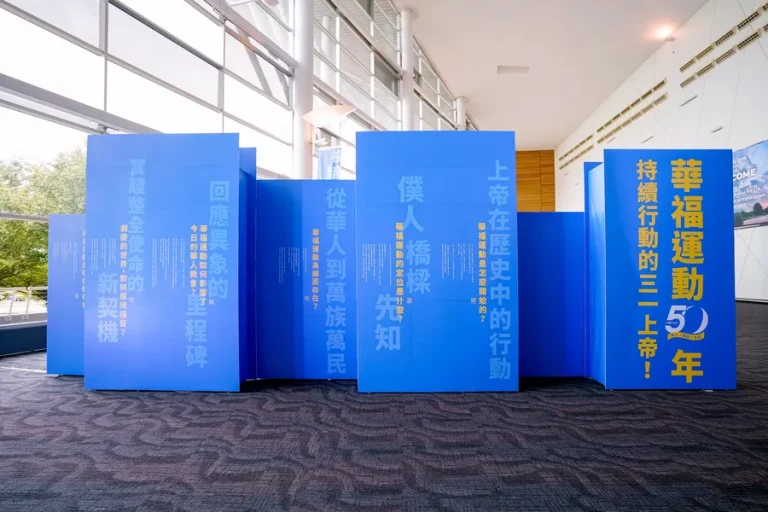
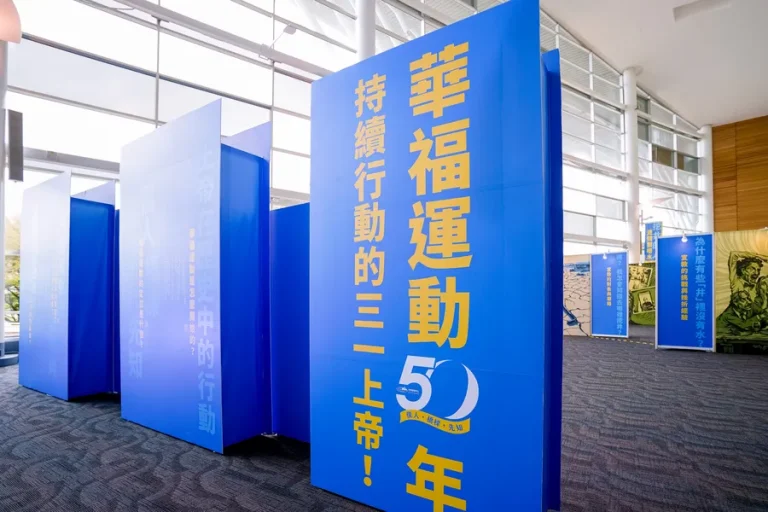
CCCOWE 50 : God in Action
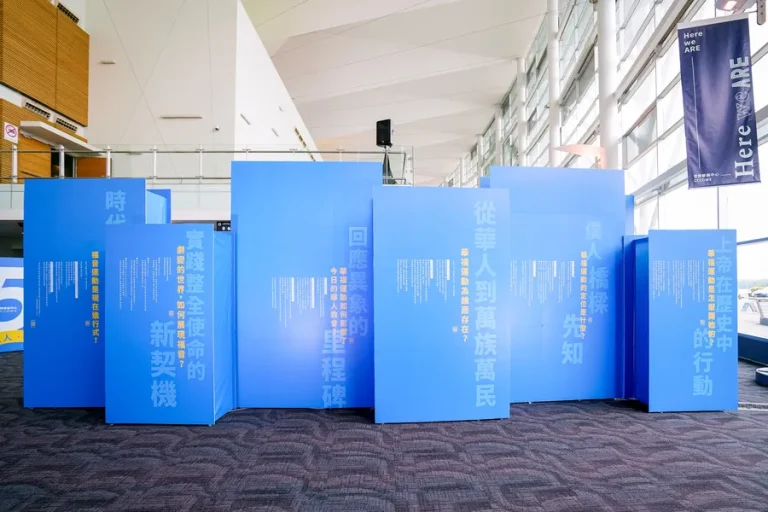
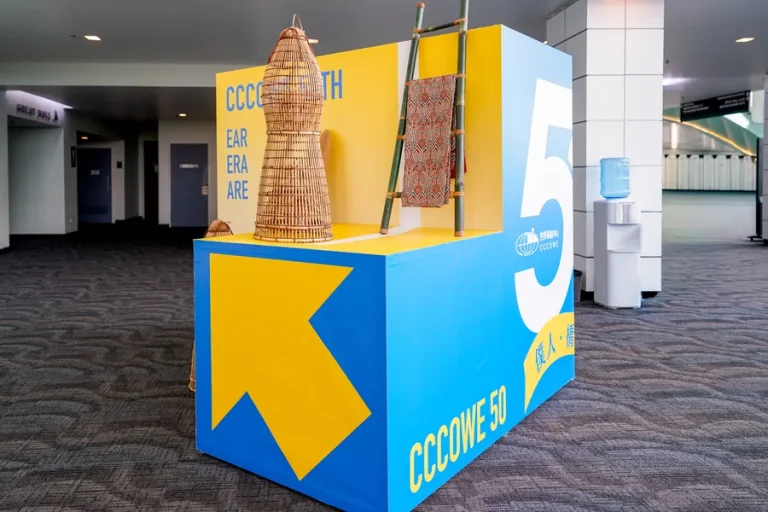
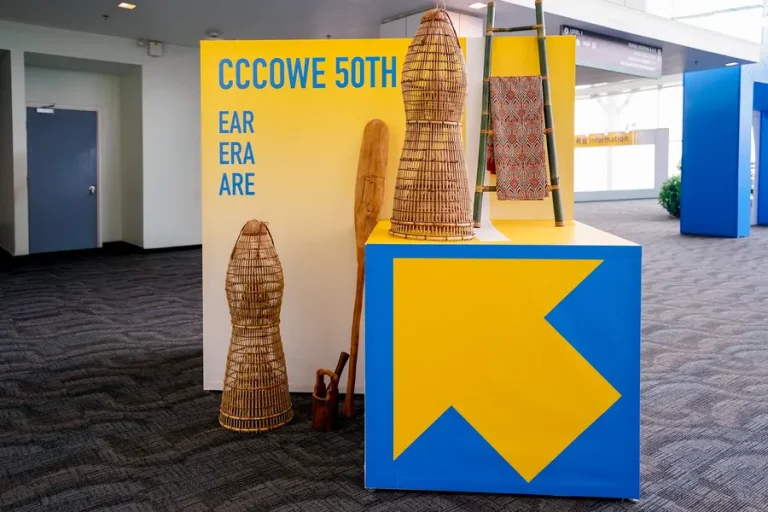
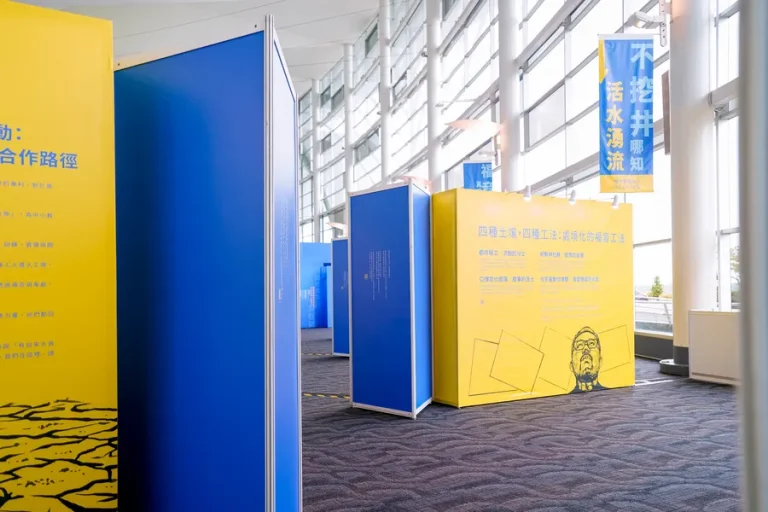
This exhibit traces our journey from serving our own people to reaching all nations. See how God has used this movement as a servant, a bridge, and a prophet. Join us in this ongoing narrative.
Read More
In July 2026, the 10th Chinese Congress on World Evangelization met in Kuching, Sarawak, Malaysia, marking fifty years of CCCOWE — the Chinese Coordination Centre of World Evangelization and the movement it serves. The movement brings Chinese churches across the globe together in the task of world mission. “CCCOWE 50: God in Action” looks back over these fifty years and asks two questions: what has God done through this movement, and where is He leading us next?
This exhibition is not about CCCOWE. It is about God. Back in 1985, Rev. Dr. Thomas Wang, then General Secretary, put it this way: “CCCOWE has no reason to exist apart from the Church. It does not stand over the Church, but exists to serve her as a servant.” Serving rather than ruling, connecting churches to one another, and amplifying and spreading what God is already doing — this has been CCCOWE’s posture for fifty years, and it is the thread running through the exhibition.
The exhibition begins fifty years ago, in a world in turmoil: an oil crisis, the Cold War, the withdrawal of tens of thousands of missionaries from China, and the scattering of Chinese people across the globe. Chinese churches at the time each went their own way. In 1974, a group of Chinese pastors and church leaders met at the Lausanne Congress in Switzerland and received one shared vision: “Chinese Churches in One Accord, Proclaiming the Gospel until Christ’s Return.” The CCCOWE Movement thus began.
Suffering, upheaval, and diaspora form the shared memory of Chinese churches everywhere. God allowed the Chinese people to pass through them, and through these very experiences gave the Chinese Church a particular perspective of the gospel. The road has known struggle and tension, but the course has never wavered: the starting point is the Chinese, but the destination is every tribe, tongue, and people—all the peoples of the world.
The panels were compiled by CCCOWE staff. The initial framework drew on a proposal from a research team; the text itself comes from fifty years of source material: the declarations of past congresses, A Historical Study of the CCCOWE Movement, and interviews and articles from the early years of Chinese Churches Today.
We hope visitors come away with a sense of the road traveled: how churches scattered across the world, once each on its own, came to be connected. Much has changed in fifty years. Back then, Chinese churches were young, and a generation of leaders in their thirties and forties was rising; today the challenge is young people drifting away. Times change; CCCOWE’s role does not: servant, bridge, prophet — serving the churches, drawing them together, and naming what the Church ought to do but has left undone.
Fifty years on, the story is still being written. We invite you to begin the next chapter here, with the exhibition.
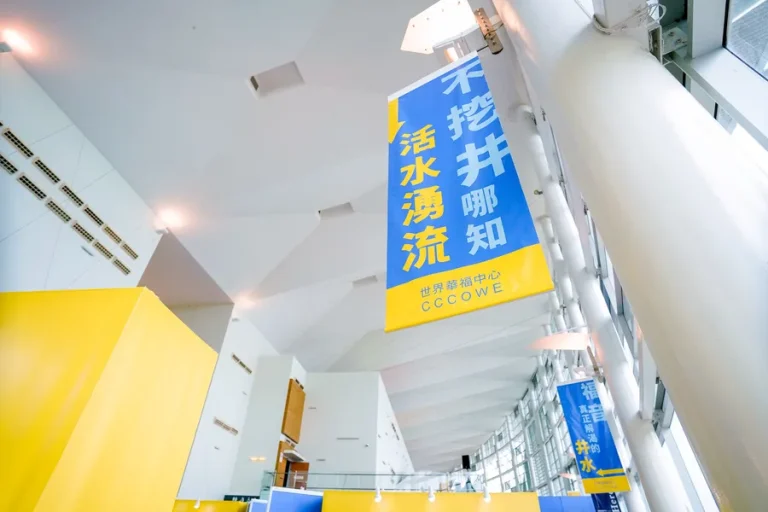
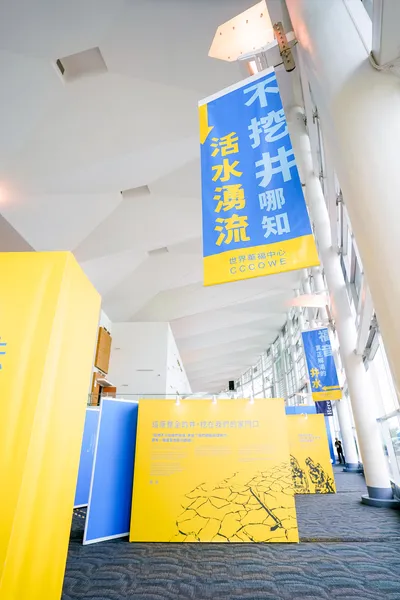
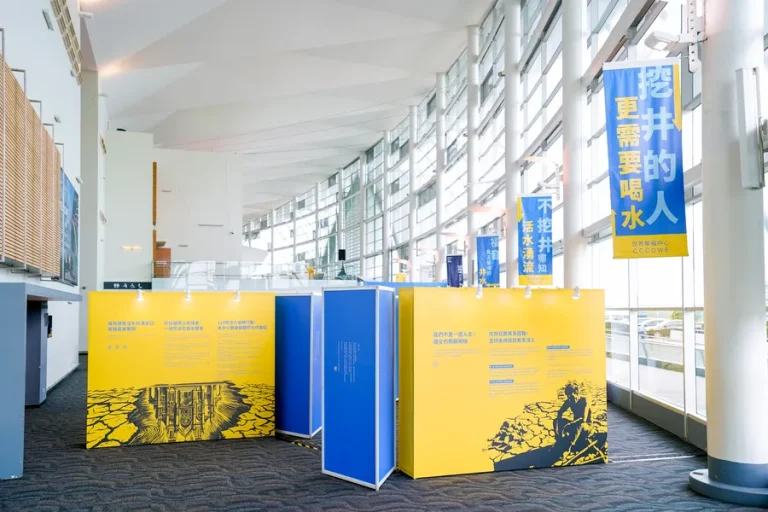
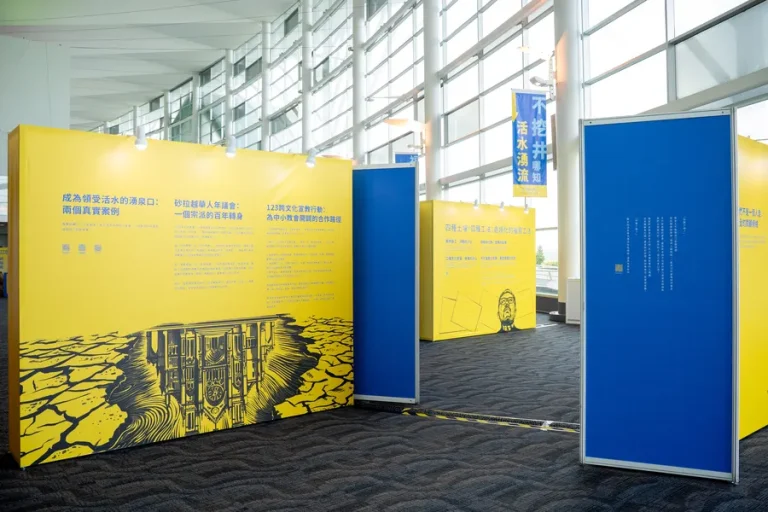
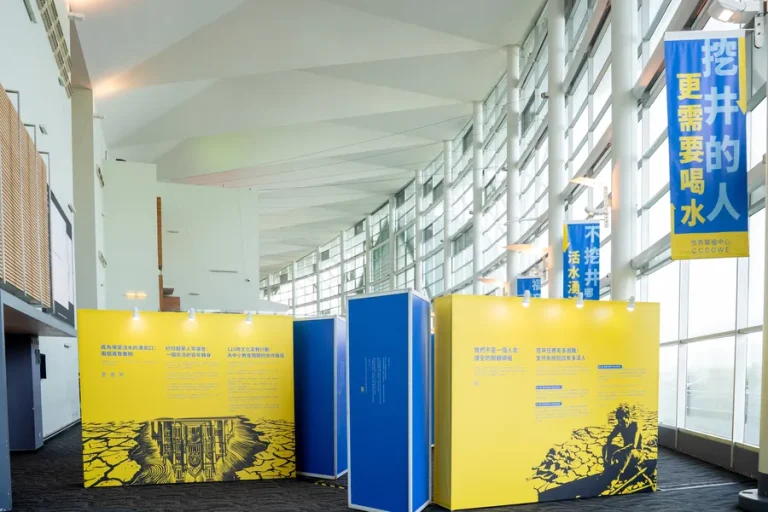
Mission Exhibition : Well-Digging
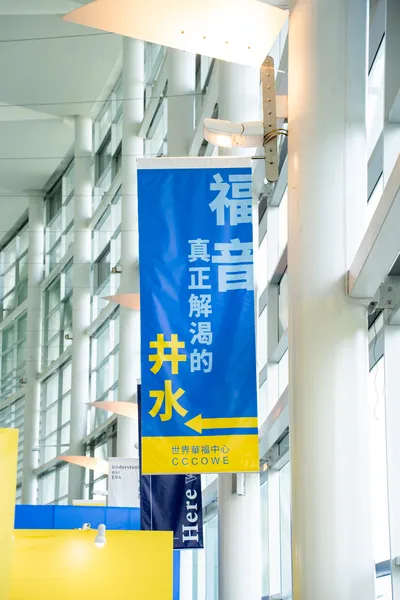
This exhibition brings you to explore the true face of missions—from cultural pride to contextual humility. Beyond simply recounting history, we invite you to partner with God to bring His living water to the world’s furthest corners.
Read More
In July 2026, the 10th Chinese Congress on World Evangelization met in Kuching, Sarawak, Malaysia, convened by CCCOWE — the Chinese Coordination Centre of World Evangelization and the movement it serves. The Chinese Church has been engaged in cross-cultural mission for at least fifty years now. “Mission Exhibition: Well-Digging” poses seven questions and looks back along that road.
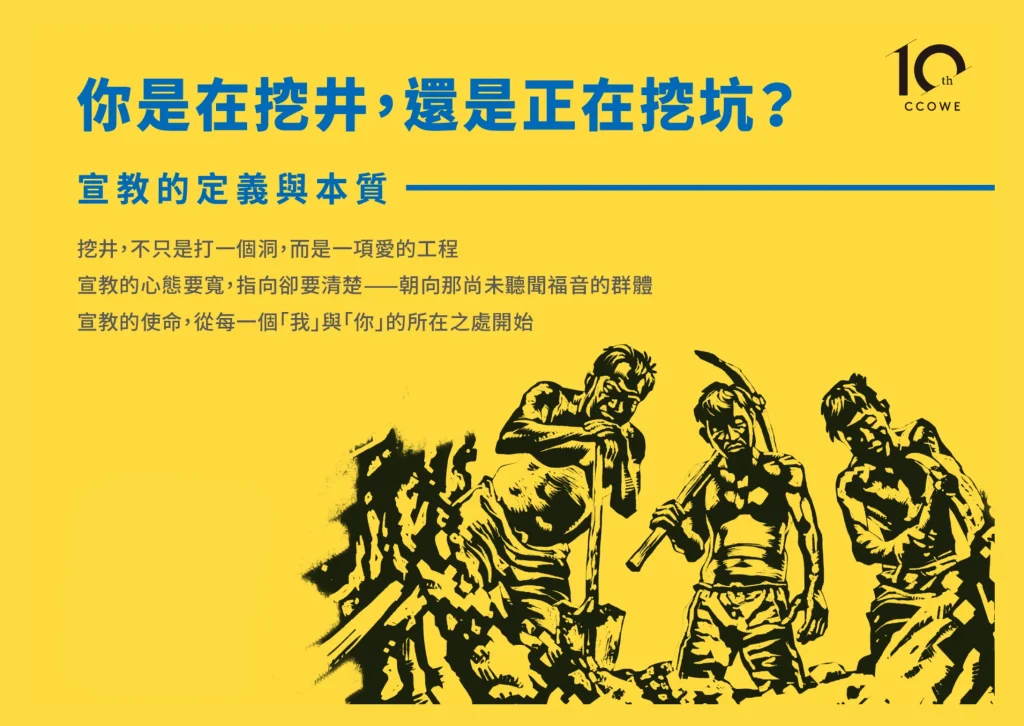
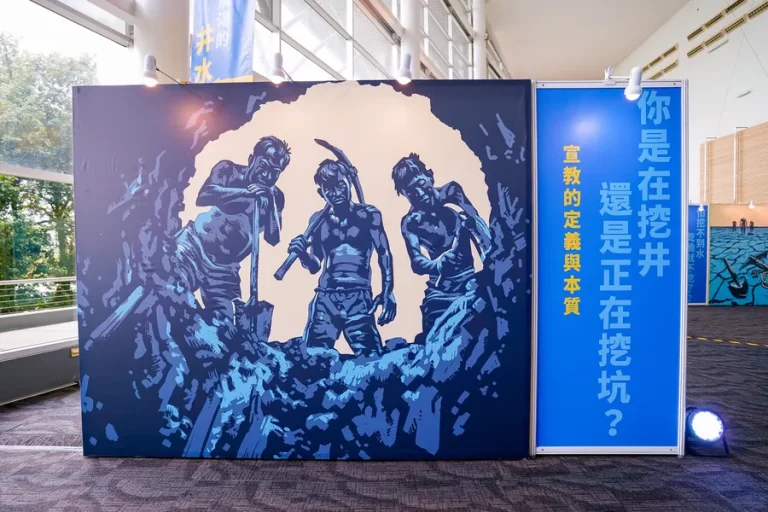
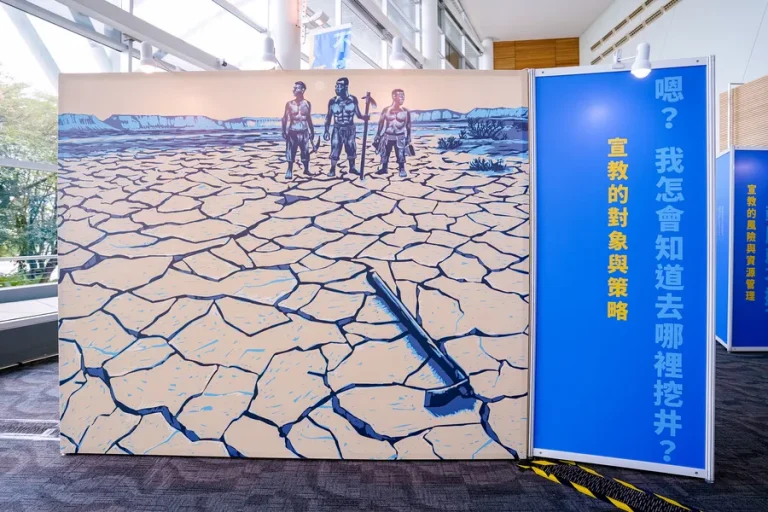
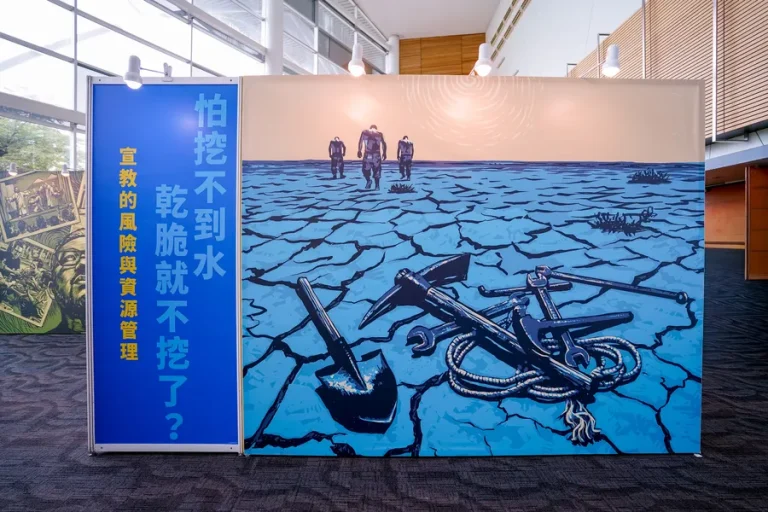
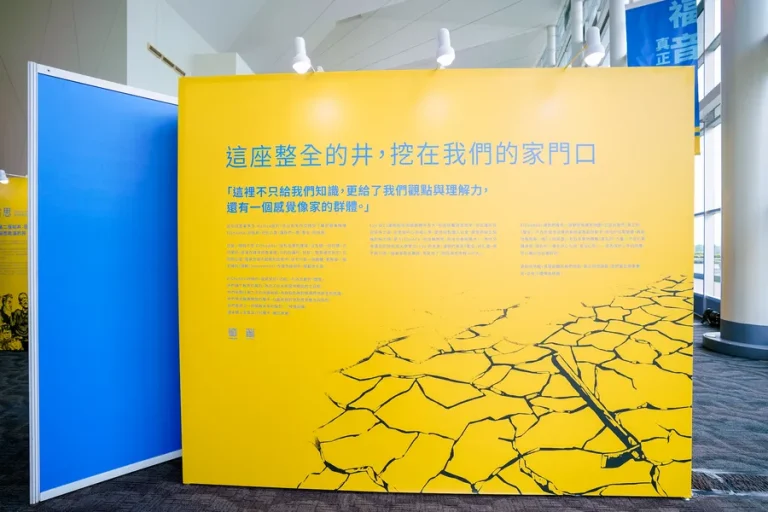
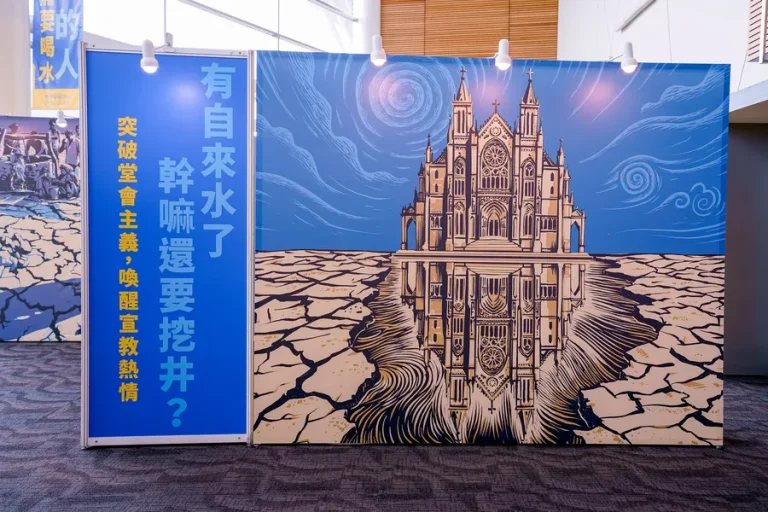
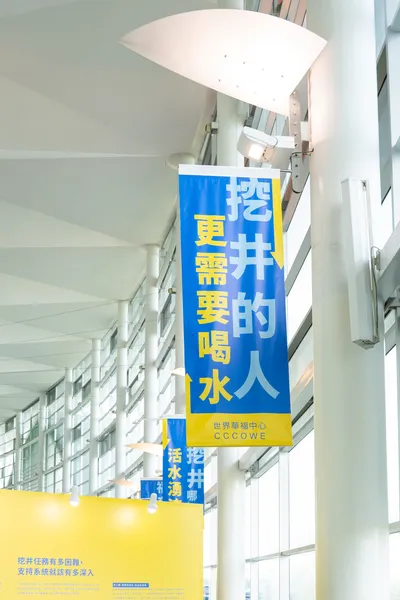
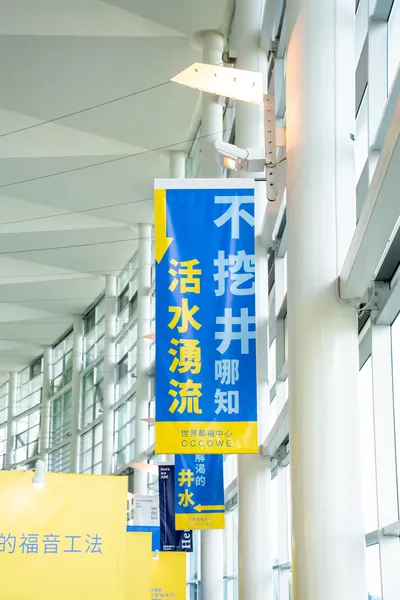
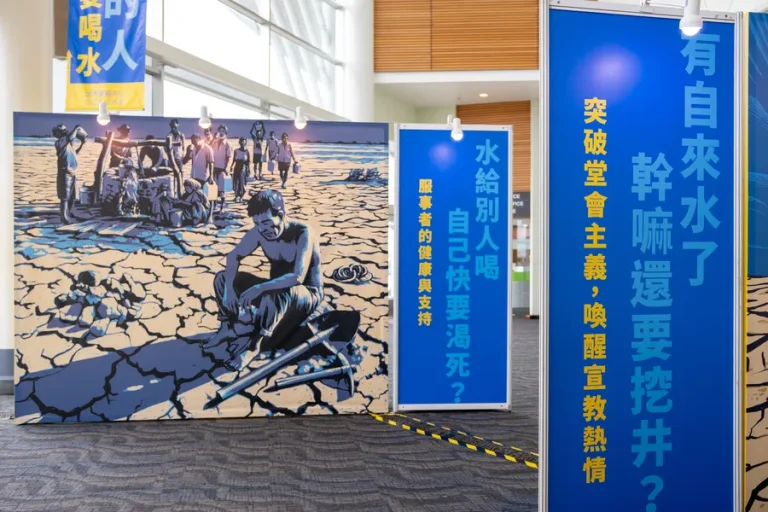
The whole exhibition rests on one metaphor: the gospel is the living water that alone can quench our thirst, and mission is digging wells. The water has always been there. Yet God invites us to pick up a spade and dig, bringing water to the places that still have no well.
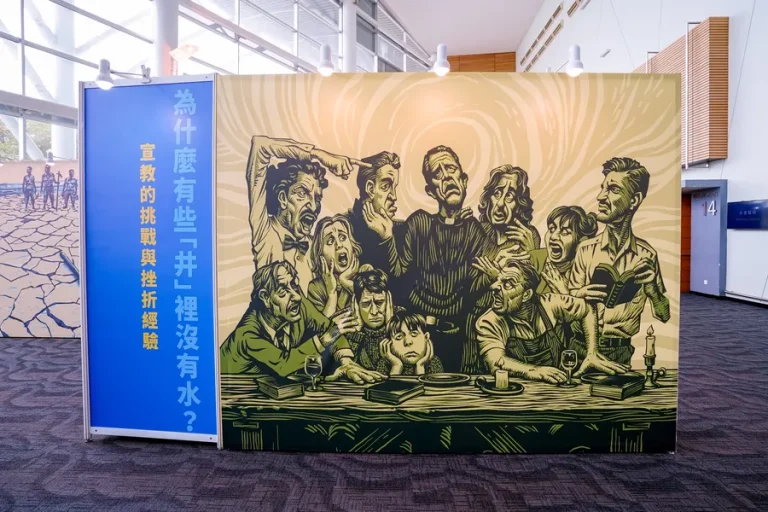
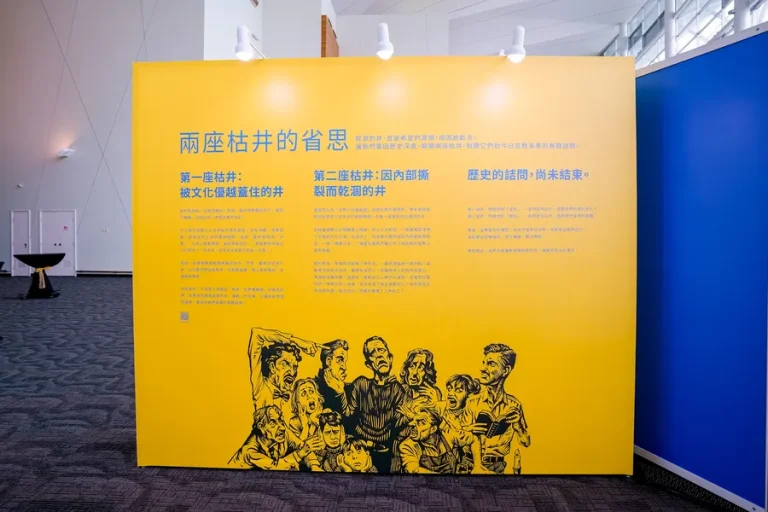
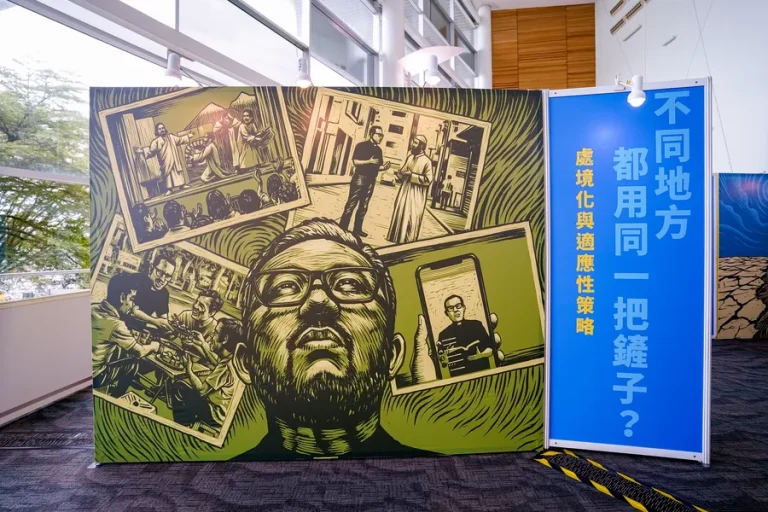
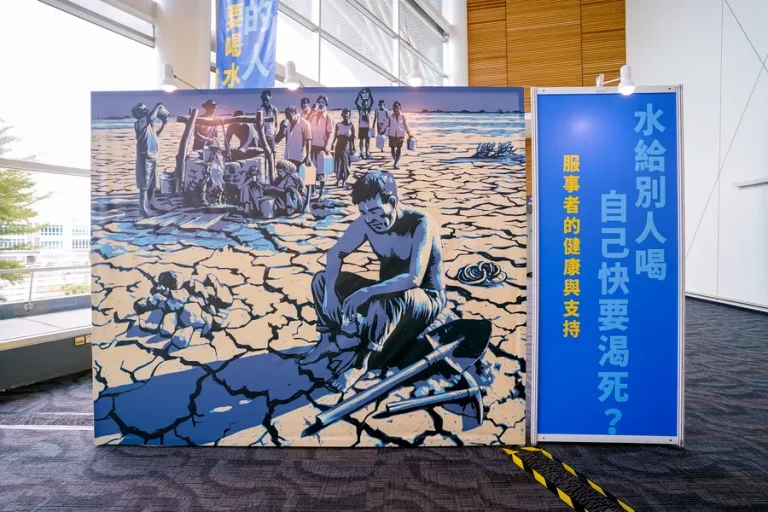
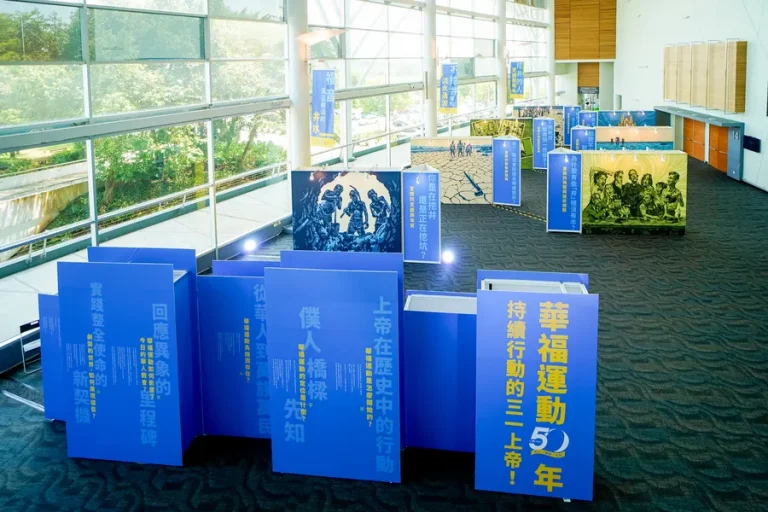
Digging a well is never simply a matter of making a hole. It is a labor of love: surveying, planning, and a team committed to caring for it for the long haul. So the seven stations follow one another: first, what mission truly is; then, what history has to teach us; how to see people and their needs holistically; where our resources are really going; which methods fit which ground; and, at the sixth station, the parochialism that looks no further than our own church. At the last station, the question turns back on the diggers themselves: “Who Waters the Well-Digger?”
The team behind the exhibition first asked these questions of themselves, then of history: some wells were buried under pride, others by the very hands of fellow believers. One station asks it most bluntly: “We Have Running Water — Why Still Dig Wells?” Well-built churches, mature systems, warm fellowship — we turn on the tap, and the water flows. But the panel goes on: “We become consumers of well water — and forget that we ourselves were sent to be well-diggers.”
The people saying these are digging wells themselves. These seven stations will not teach you how to implement mission strategies. What they leave behind is the well-diggers’ own reflections, struggles, and hopes: an outline of fifty years on this road, for others walking the same way to draw on.
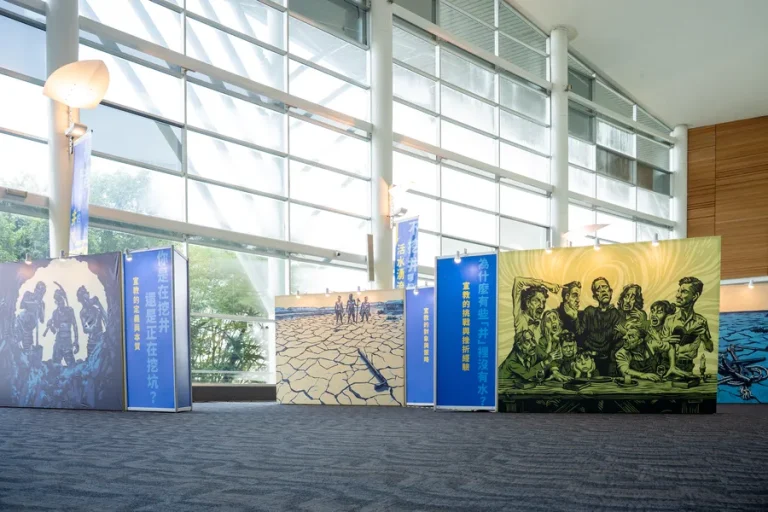
The seven stations were planned together by colleagues from mission organizations in Taiwan, Hong Kong, and Malaysia, each with many years of experience in mission. Each took on one question and drafted it; CCCOWE staff then put together the texts. Along the way, the team visited a number of mission agencies and organizations, and their experience put flesh on the bones of every station. Seven illustrations, drawn for this exhibition, gave each station its picture. Our heartfelt thanks to every well-digger who walked alongside us.
When you have walked the seven stations, we hope a few real-life pictures stay with you: one man who set out alone and came home wounded in under two years; another who had a whole community behind him, kept his footing, and went the distance. Where to dig and how to dig will change with the ground. What does not change is this: nobody was ever meant to walk this road alone.
Where the exhibition ends, walking together begins. How do we dig this well? How do we walk this road? First, have a drink of water, rest a while, take in the exhibition — and then, we dig together.
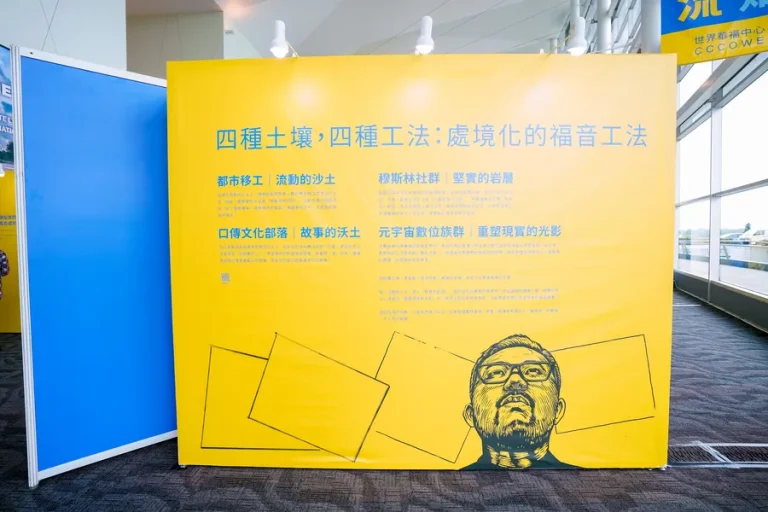
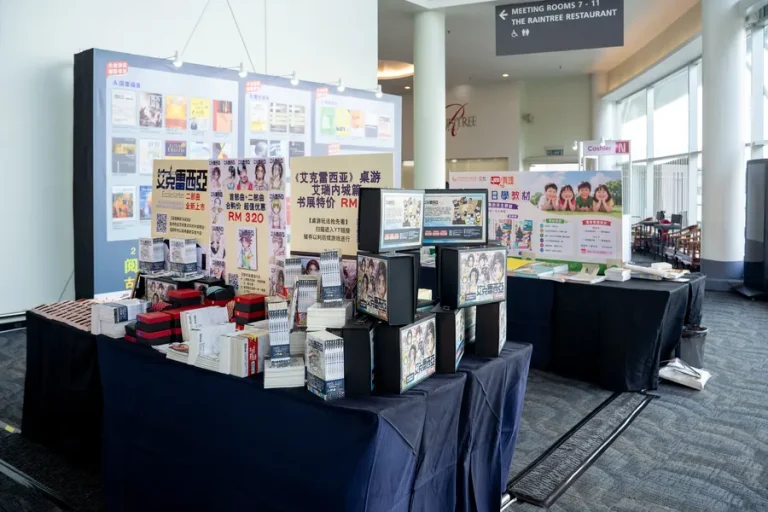
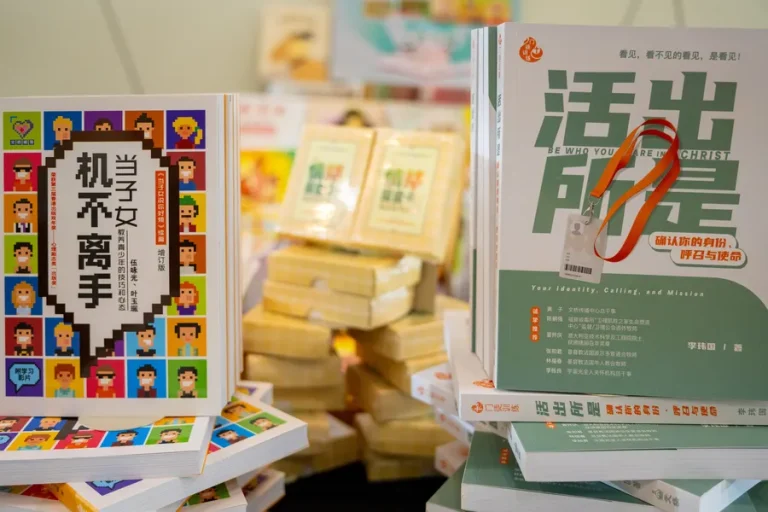
CCCOWE Selects : Unmasking Myths
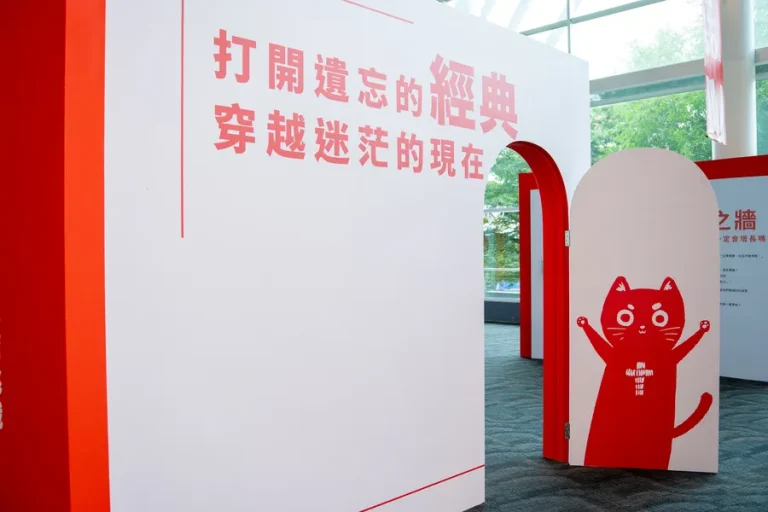
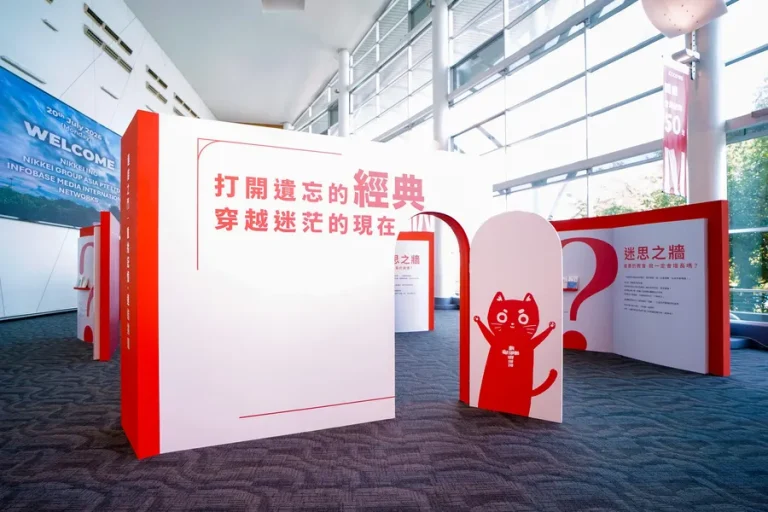
Bringing together the perspectives of senior editors across the Chinese publishing world, this selection opens three doors and breaks through five walls of myth. We invite you to go beyond passive reading. Let timeless wisdom lead you from knowledge to transformation, and live out the true meaning of the gospel.
Read More
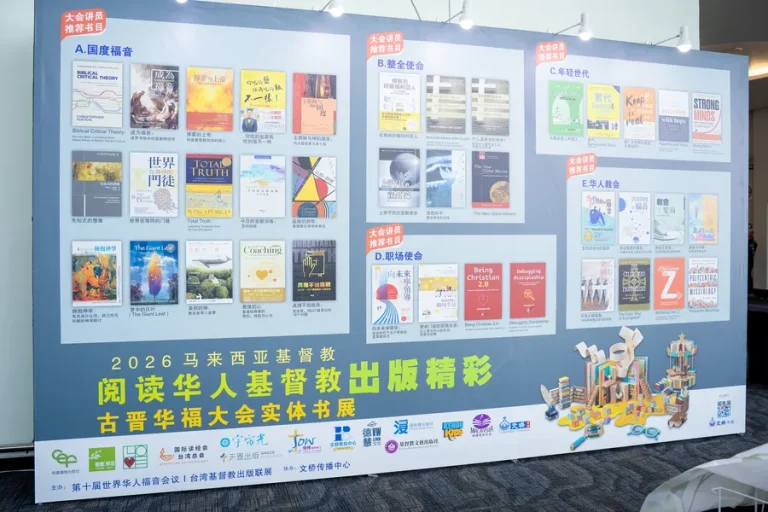
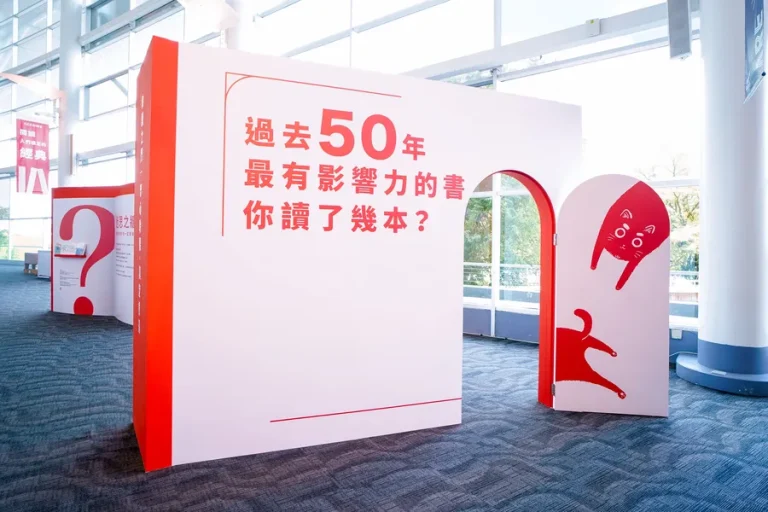
“CCCOWE Selects — Unmasking Myths” is an exhibition that looks back on fifty years of the Chinese Church through books. In July 2026, the 10th Chinese Congress on World Evangelization met in Kuching, Sarawak, Malaysia, marking fifty years of CCCOWE — the Chinese Coordination Centre of World Evangelization and the movement it serves. The Congress theme was “Open our EAR. Understand our ERA. Here we ARE.” Taking up its call to listen, we turned to the bookshelf: looking back, to ask what has shaped the Chinese Church over the past fifty years and what has held our attention; looking forward, to ask which books are worth carrying into the next era.
The books were chosen because they are representative: each either shaped the Chinese Church or recorded how the Church responded to the times. Placed side by side, they work like a mirror. In the 1980s, for instance, Chinese churches knew they should read Scripture, pray, fast, and practice solitude, yet no book set out these disciplines clearly. Once Celebration of Discipline appeared in Chinese, it sparked a renewal of devotional life that has lasted more than forty years. This mirror shows us the books that once nourished us and still shape us today.
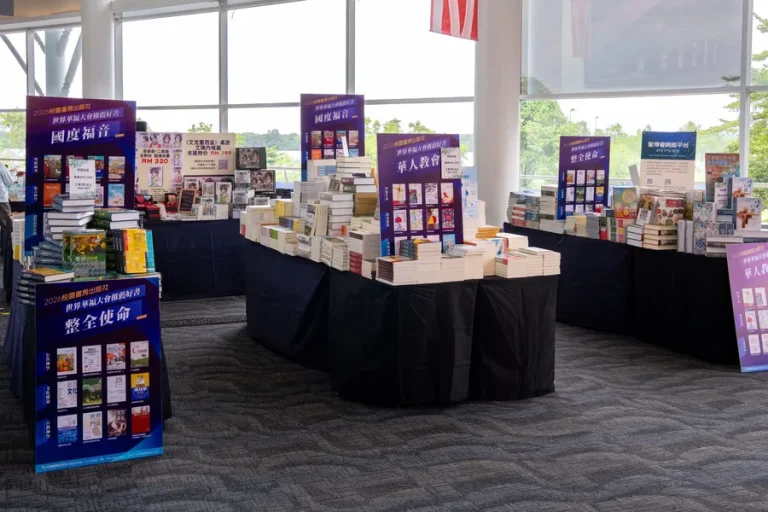
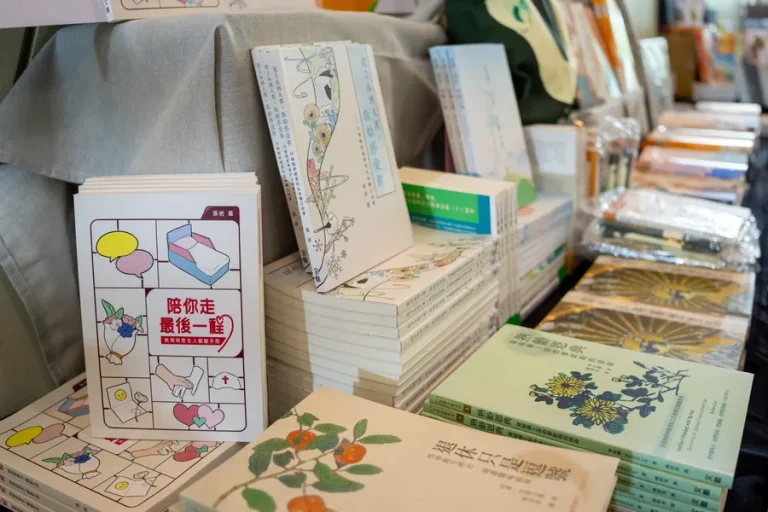
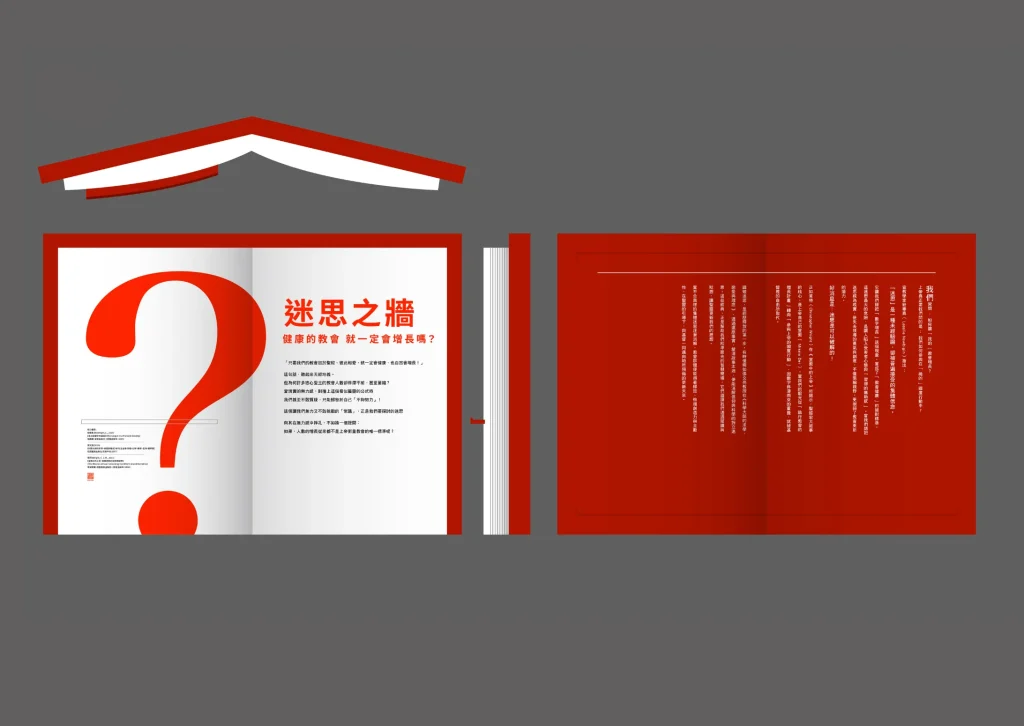
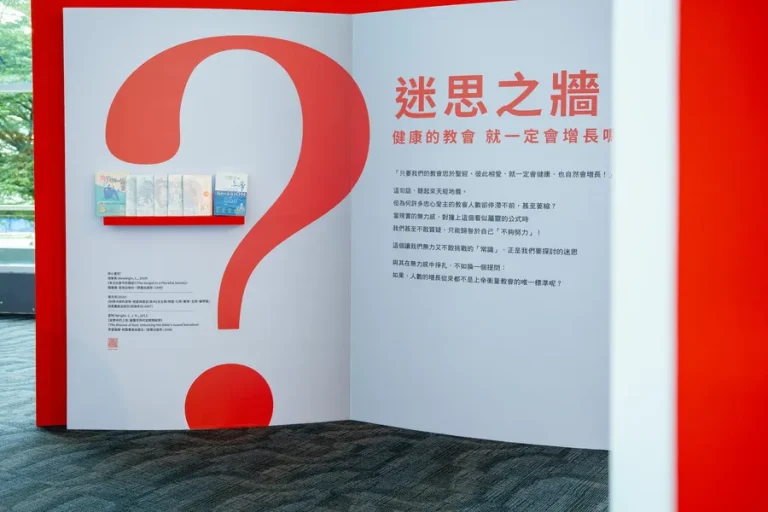
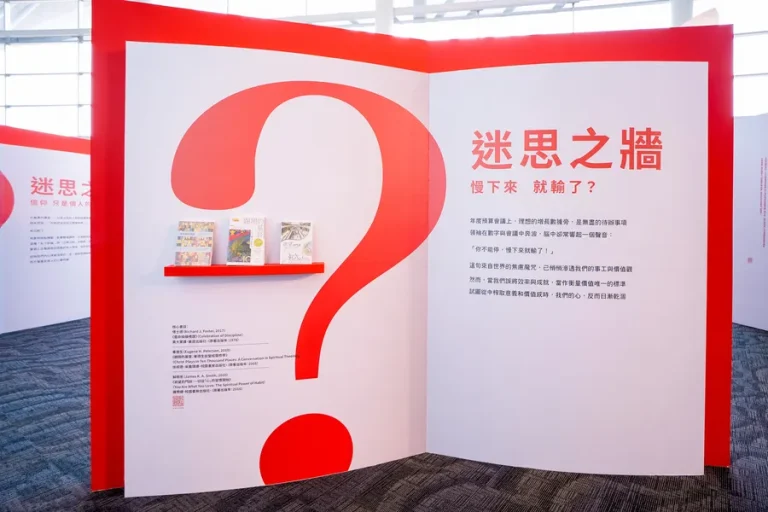
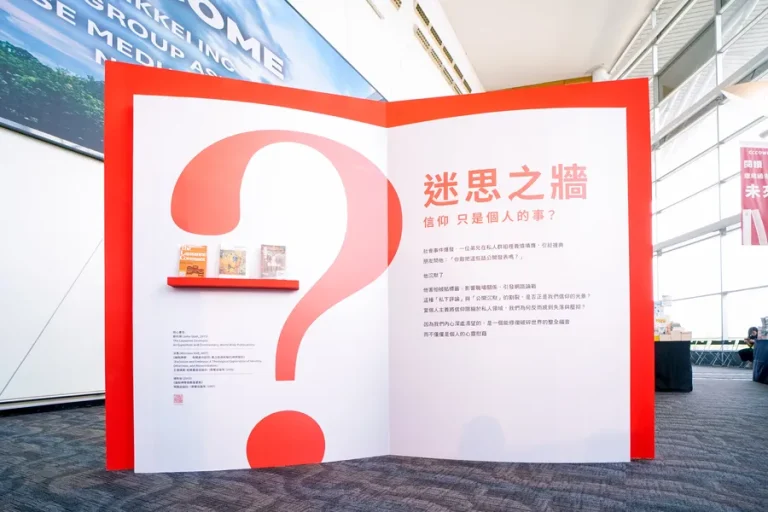
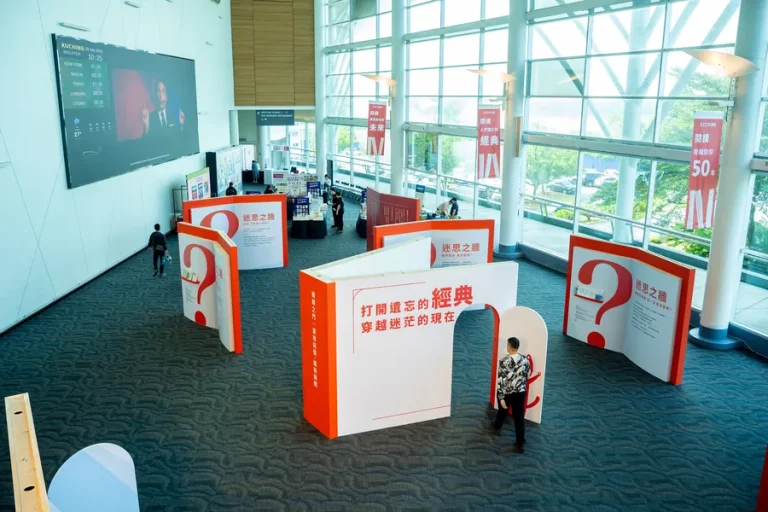
A mirror can also reveal blind spots. The “myths” in the exhibition’s title are what missiologist Lesslie Newbigin describes as collective beliefs — widely accepted, yet unexamined. Everyone repeats them, and over time no one thinks to question them. The five Walls of Myth range from church growth to tradition and innovation; two of them ask: “The More We Know, the Wiser We Grow — Really?” and “Slow Down, and You Lose?”
Behind these questions is something we all face. Pastors and church leaders are so busy that reading gets crowded out, and what a single congress can change is limited; still, we have the chance to stop and take our bearings. What this exhibition hopes to do is help people rediscover why the written word matters and regain the will to sit down with a book. This matters not only to the publishing world but to the health of the Church.
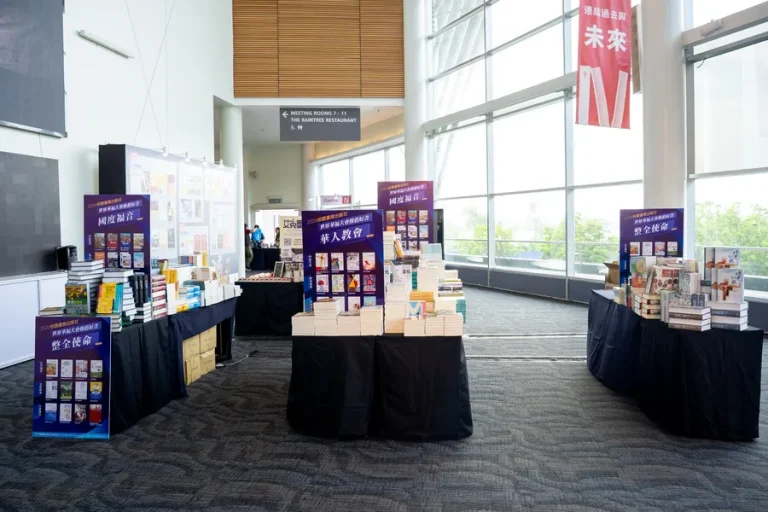
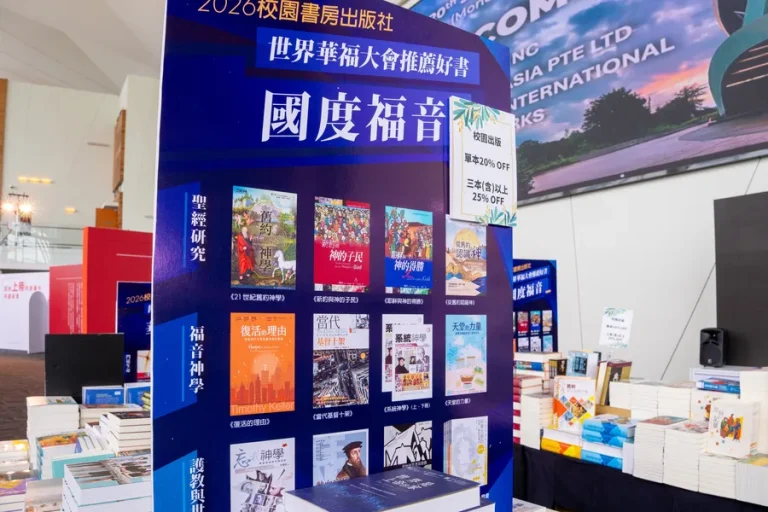
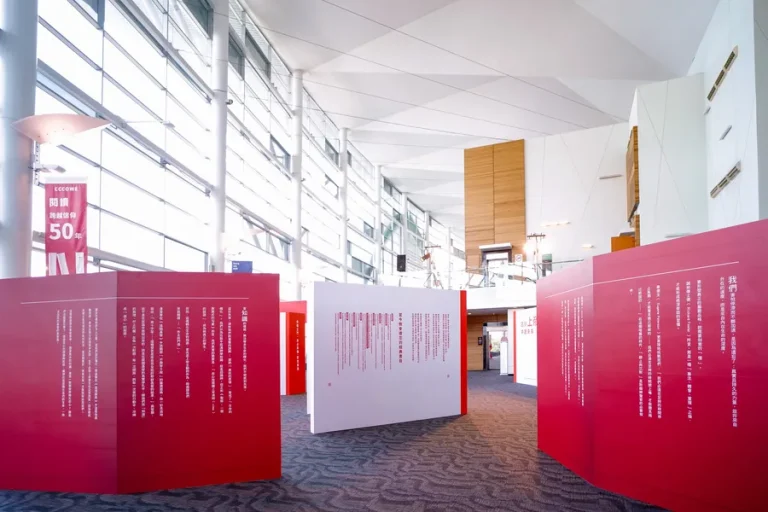
The recommendations came from senior figures in Christian publishing in Taiwan and Hong Kong, under three headings: “Classics of the Past 50 Years,” “Classics the Church Has Forgotten Today,” and “Key Books for the Road Ahead.” The questions on the five walls came out of several rounds of discussion by the curatorial committee, and CCCOWE staff then compiled them into the panel texts. As space on the panels is limited, the recommenders’ full texts are available online, in Chinese.
The mirror also reflects each visitor: the books that have shaped them, and the ones they read and then forgot. One poetry collection on display once inspired a generation of young people to set out as missionaries. Few remember it now, yet its words have not dated, and it is worth opening again. The books worth carrying into the next era, meanwhile, are best read now. The ones you have read, the ones you have forgotten, and the ones you have yet to read—may you find one of each here.