Congress
Webinar
Hybrid

will be held in 2026 in Kuching, Malaysia, under the theme “Open our EAR, Understanding our ERA, Here we ARE.” The conference aims to bring together 1,500 global Chinese leaders from pastoral ministry, missions, the marketplace, theology, and youth ministries.
Three Core Pillars of the Conference:
The five-day event includes keynote messages, panel discussions, Xplore 360 workshops, affinity group exchanges, and evening testimonies. It seeks to connect participants, inspire them to discern God’s work in this era and invite them to join in His new creation.


The contents are under development, will be available in future updates.
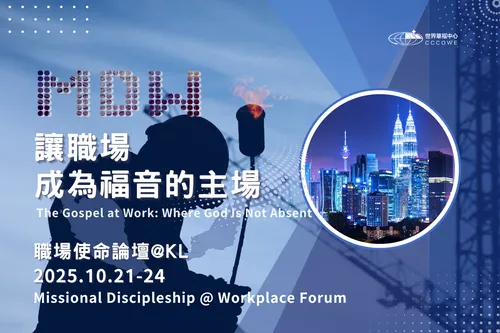
Venue:HTBB Church· Malaysia
Date: 21-24 October 2025
Participants: ~127
The Gospel at Work: Where God Is Not Absent
— Discovering the Expansion of God’s Kingdom in Our Daily Work
If young professionals had the opportunity to ask middle managers questions, what would they ask?
What unspoken thoughts would blue-collar workers want to share with business owners?
And how can pastors genuinely understand the struggles faced by believers across different levels of the workplace?
What if there were a space for such conversations—where diverse groups of Christians could listen to one another within their real-life contexts, and together discern how the gospel of the Kingdom unfolds in the workplace? How might we reflect on the consistency between the gospel proclaimed in the workplace and the gospel proclaimed in the church? And what kind of gospel narrative does the workplace truly need today?
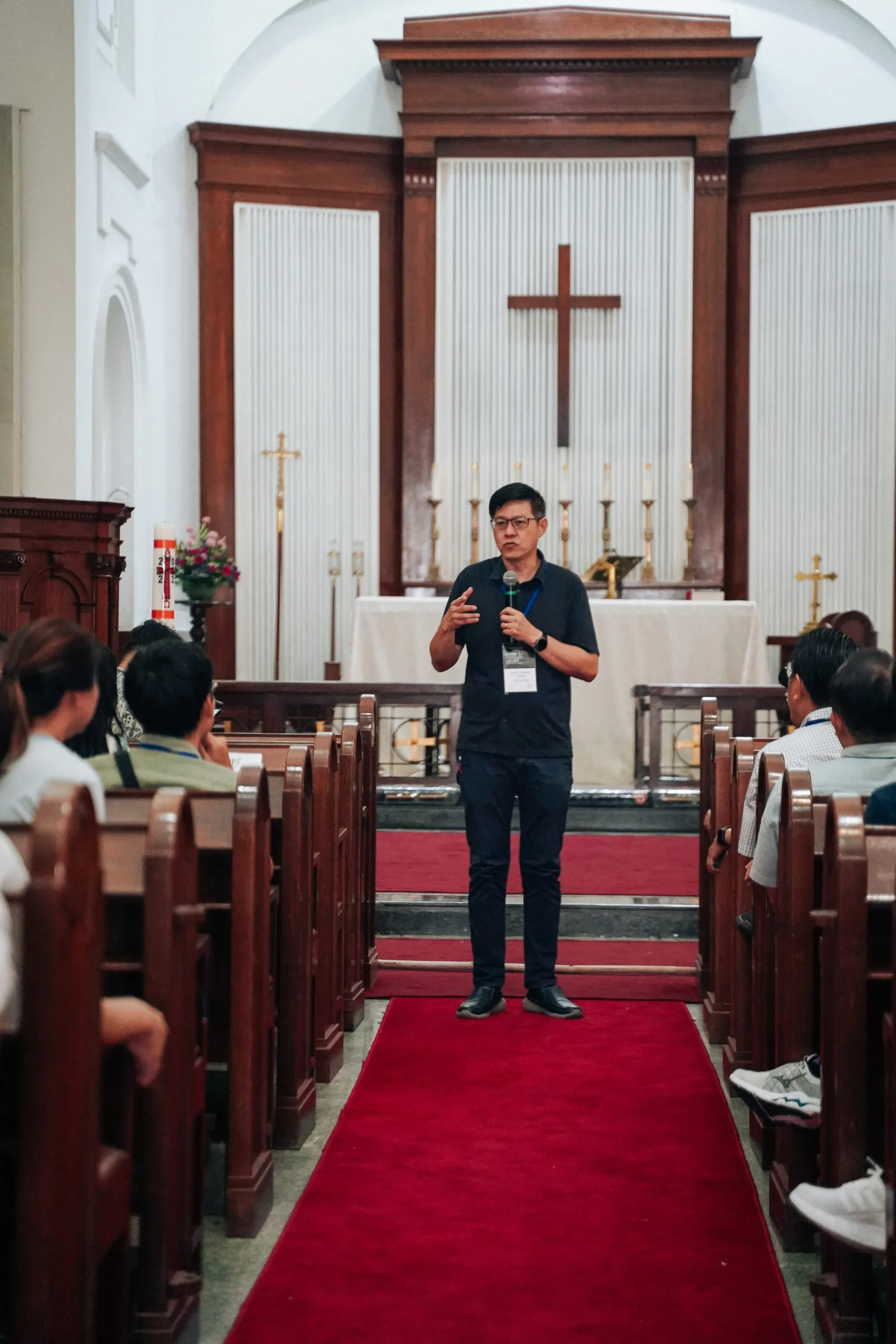
These were the very questions addressed by the Missional Discipleship @ Workplace Forum — The Gospel at Work: Where God Is Not Absent, organized by the CCCOWE. From October 21 to 24, 2025, the forum was held at HTBB Church in Kuala Lumpur, Malaysia, bringing together 127 participants from around the world and across a wide range of professions. Representing the “four workplace groups”—blue-collar workers and early-career professionals; white-collar specialists and middle managers; CEOs and entrepreneurs; as well as pastors and organizational leaders—participants engaged through keynote messages, roundtable discussions, and testimony sharing. On a single platform, they listened deeply to one another, exchanged insights, and wrestled with a central question: How can the gospel of Christ be truly lived out in the workplace?
The MDW Forum was not merely a gathering, but an integrative movement of theology and practice. It explored workplace theology, pastoral care in the workplace, workplace spirituality, ethics, and mission, seeking concrete ways for the gospel to expand and take deeper root in the workplace. Story after story shared during the forum deeply moved participants: whether in the sweltering, grimy environment of a kitchen or amid war-torn ruins, God is writing powerful stories through every vocation. The resources and gifts entrusted to God’s people in their workplaces—no matter how challenging the environment—can still be used by Him to become instruments of blessing and transformation.
The significance of this gathering extended far beyond the forum itself, finding its actual impact in the connections formed afterward. Participants expressed a strong desire to bring this model—one that integrates theology with action and brings together all four workplace groups—back to their own contexts, encouraging churches to engage more deeply and practically with workplace ministry. Through mutual invitations to teach, collaborative ministries, and jointly initiated projects, this growing movement for the gospel in the workplace continues to spread, igniting new momentum across regions and industries.
May every believer, in their own place of work, hear God’s calling (Calling), live out their God-given identity (Being), take kingdom-oriented action (Doing), and care for the world with compassion and love (Caring).
Written by Pastor Kuan Yee Yew
Deputy Secretary-General, CCCOWE West Malaysia District Committee
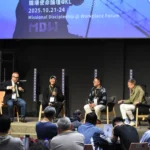
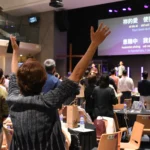
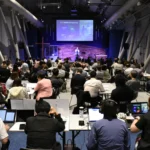


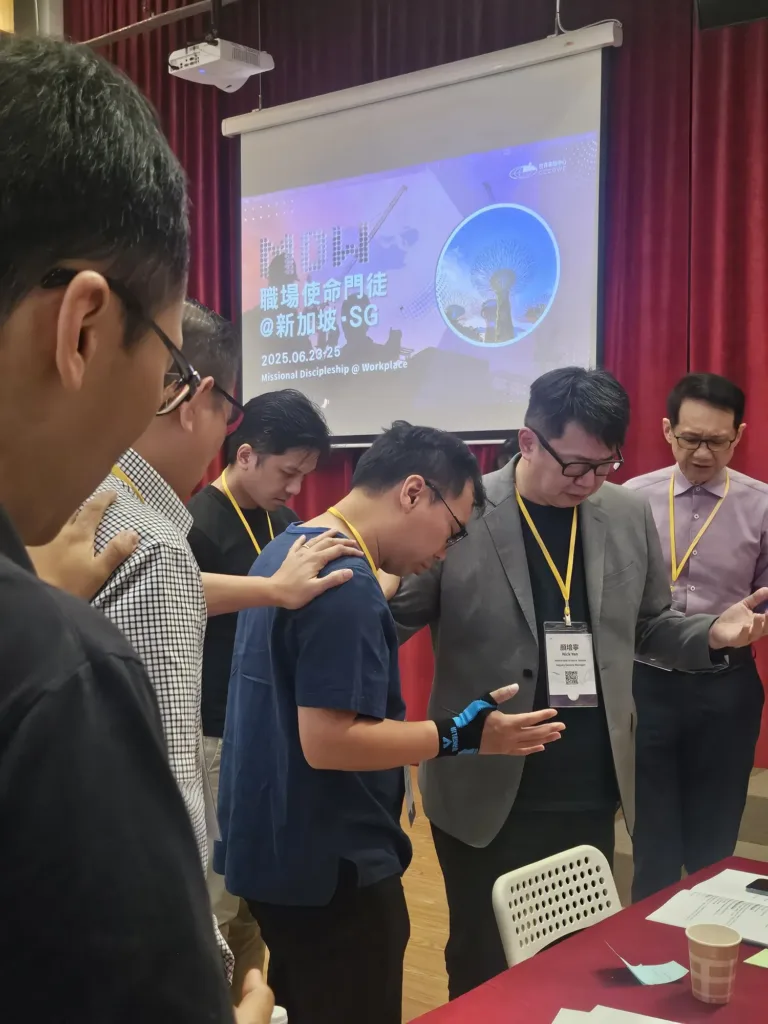
Venue:Cornerstone Evangelical Baptist Church · Singapore
Date: 23-25 June 2025
Participants: ~45
From June 23 to 25, 2025, CCCOWE hosted a strategic gathering focused on Missional Discipleship @ Workplace (MDW) at Cornerstone Evangelical Baptist Church in Singapore. The meeting brought together 45 local church pastors and believers from Taiwan, Hong Kong, Singapore, and Malaysia who share a burden for workplace evangelism. Through small-group workshops, participants explored practical pathways for living out missional discipleship in the marketplace.
The meeting centered on the unique contexts and struggles faced by various groups—including entrepreneurs, white-collar professionals, blue-collar workers, young professionals, and local pastors. As we engaged in dialogue, we came to realize that the obstacles to missional living are not merely external pressures, but often deeply ingrained cultural narratives we unknowingly believe—narratives that tell us we must prove our worth through performance, earn approval through success, or sustain our value through our roles.
Over the course of these three days, we began to see the real-life challenges others face and had opportunities to respond to misconceptions between groups. This was more than just an exchange of ideas—it became a time of relational renewal and spiritual reawakening.
We hope this marks the beginning of a journey—one of walking together across generational and vocational boundaries, growing in mutual understanding and intercession. We believe that when the Church and its people respond to God’s call in the workplace, when faith is no longer confined to church activities but takes root in daily work and life, the Kingdom of God is powerfully revealed in our midst.
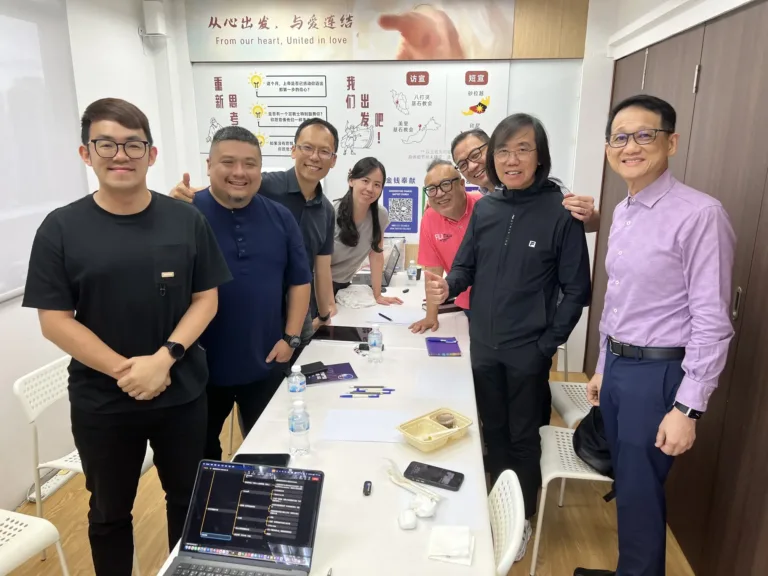
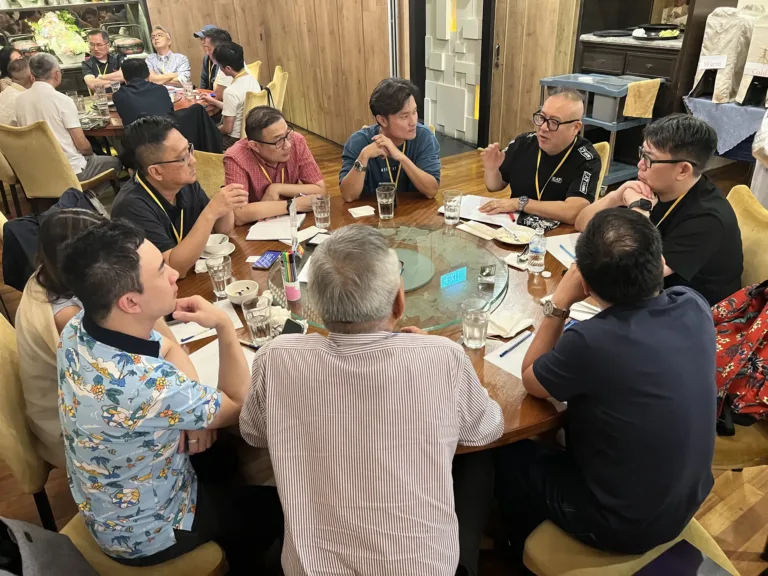
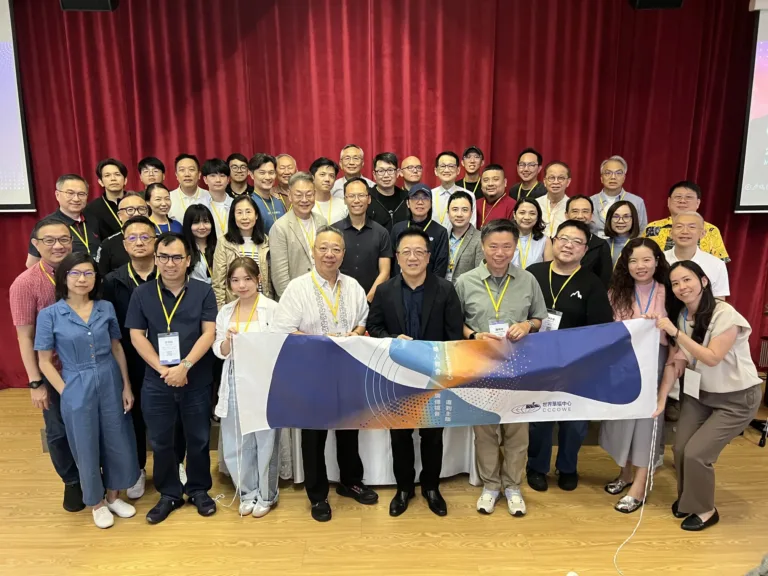

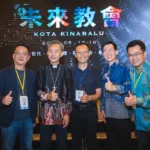
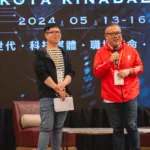
Venue: Kota Kinabalu, East Malaysia
Date: 13 – 16 May 2024
Participants: ~130
Conference Highlights Video
Click here to watch the highlights
The “Future Church” initiative began with two gatherings in Taiwan 2022, jointly organized by the CCCOWE Taiwan and Lausanne Taiwan Region. These gatherings invited Taiwanese pastors and co-workers to engage in dialogues and exchanges on three themes— “Gospel, Discipleship and Global Mission.” Together, they developed sacred imagination and identified prayer directions for the future of the Taiwanese church. In 2023, inspired by Taiwan’s experience, CCCOWE hosted Future Church @ Penang with 72 pastors from Taiwan, Malaysia, and Singapore, embodying the ethos of “Facilitation, Connection, and Co-Creation.” In 2024, the scope expanded further to include Hong Kong and Indonesia, with 115 pastors and co-workers gathering in Kota Kinabalu, Sabah, Malaysia, for Future Church @ KK. This event will explore the challenges Chinese churches face, including breaking through the difficulties of ministering to the younger generation, being salt and light in the rapidly evolving media and technology landscape, equipping pastors for holistic workplace discipleship and ministry, and envisioning the future development of the church.
Reflections by Ting Tsz Fung
At Future Church 2024, Pastor Doong remarked, “Building trust and friendship is an expression of the gospel.” I wholeheartedly agree with this perspective and observed how the organizing team intentionally designed the event with this principle in mind, creating numerous opportunities for interaction. Cross-generational and cross-regional groupings, ample “buffer time” in the schedule, and even chauffeured trips to the beach to watch the sunset reflected the team’s thoughtful arrangements.
Future Church exemplifies its purpose of fostering connection. The speakers did not offer quick-fix solutions but presented ideas to inspire more excellent thought and discussion among participants. I vividly recall the third day’s theme on “Workplace Discipleship,” where differing views among speakers and participants sparked some creative tension. Remarkably, this tension became a springboard for continued dialogue beyond the conference. A speaker’s memorable quote captured the spirit of the event: “You may disagree with my views, but please trust my intentions.” Through mutual trust in each other’s commitment to Christ and the gospel mission, we can continue to converse and seek common ground amid differences.
Such interactions are beautiful but, unfortunately, rare in church settings. Why? One reason is that those who have served for many years often carry emotional scars. To protect themselves from further harm, they may unconsciously “armor up.” This armor might manifest as keeping others at a distance, avoiding vulnerability, forming exclusive cliques to maintain superiority, or climbing to positions of power to soothe inner anxieties.
Thus, I sincerely appreciated Pastor Doong’s emphasis during his opening remarks on the importance of “laying down our armor.” For leaders to coexist amid tension, trust is essential, and such trust must be built on a foundation of relationships. These relationships begin with the willingness to take the risk of vulnerability—removing our armor, opening our hearts, and sharing our weaknesses, while also creating space to hear the stories of others. This is not functional dialogue but genuine friendship: sharing, listening, and broadening perspectives through mutual exchange. I am grateful for the many encounters I experienced during the event—lamenting church challenges, sharing ministry inspirations and struggles, and praying for and encouraging one another. Each encounter was a gift from God, bringing blessings to my life.
Recently, I have been reading contemporary theologian Kathryn Tanner’s work “Jesus, Humanity, and the Trinity: A Brief Systematic Theology”. She writes that all actions of the Triune God are acts of gifting to the world and that creation itself is meant to participate in this process of gifting. However, sin disrupts this process, blocking the flow of gifts and blinding people to them. As a result, humanity resorts to self-salvation, attempting to fill the void that gifts were meant to occupy with power, indulgence, or despair—only to become further ensnared by sin. The gospel of Christ is God’s gift to the world, and the church, as the body of Christ and the embodiment of the gospel, becomes a gift through the work of the Holy Spirit: believers become gifts to one another.
At Future Church 2024, I tangibly experienced this exchange of gifts. Through every encounter, trust and friendship formed, I received God’s gifts and was prepared to give more gifts to others in the future, creating a cycle of grace.
May God’s people become His gift to the world—healing brokenness, forgiveness of hatred, and light to darkness. To become a gift is to embody the gospel.
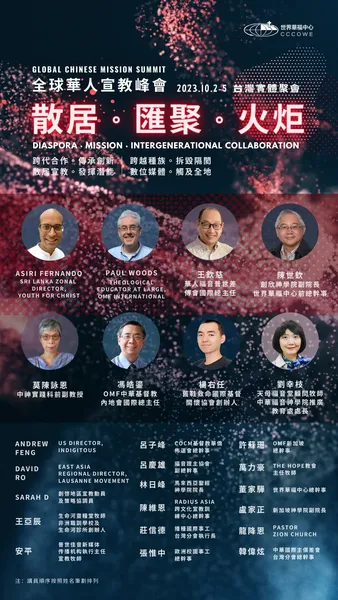
Venue: Taoyuan, Taiwan
Date: October 2 – 5, 2023
Participants: ~230
Summit Highlights Video:
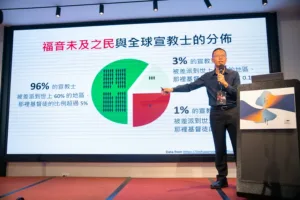
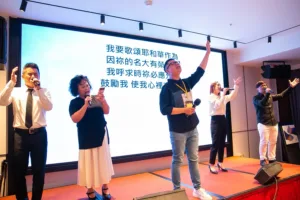
On October 2, 2023, the Global Chinese Mission Summit, organized by the CCCOWE, officially commenced. The four-day summit, themed “Diaspora · Mission · Intergenerational Collaboration,” brought together over 230 leaders and representatives from Chinese churches worldwide in Taoyuan, Taiwan, to respond to the call for global missions.
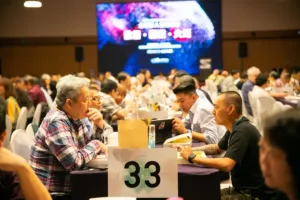
In the opening ceremony, General Secretary of CCCOWE, Rev. David Doong, openly addressed the summit’s purpose: confronting the “elephant in the room.” The program structure and meeting formats were designed to rethink Chinese church culture and its attitudes toward missions. From the seating arrangements at the opening banquet—eschewing hierarchical norms and mixing participants regardless of seniority—to forming consistent discussion groups for the duration of the summit, the organizers demonstrated their determination to break conventions.
The summit also incorporated the “World Café” concept, creating two afternoon tea sessions for informal discussions. One session featured a panel of young leaders under 40 from Taiwan, Hong Kong, and Malaysia who shared their efforts to bridge generational gaps—whether by advocating for more communication, “shielding” one generation from the other, or serving as “interpreters” between the two. To maximize engagement, the summit also hosted affinity groups during lunch, allowing participants to join topics of interest freely.
Each morning, three keynote speakers—Dr. Patrick Fung, Rev. Isabel L. Chang, and Rev. Sean Long—led expository sermons based on the Book of Acts, encouraging participants to become workers sought by God: unafraid of cultural currents, steadfast in the face of trials, and faithful torchbearers of the gospel through the power of the Holy Spirit.
Session Discussions
The summit embodied its motto: “Moving beyond traditional one-way communication, we engage through thematic messages and interactive dialogue.” Across eight thematic sessions and 25 speakers, the summit employed collaborative discussions to address global mission issues, share experiences, challenge current paradigms and advocate for change.
We Are the Elephant!
The intensive summit concluded on October 5. Former CCCOWE General Secretary Rev. Joshua Ting publicly blessed his successor, Rev. David Doong, demonstrating trust, appreciation, and support while candidly sharing his post-retirement reflections—both relief and a sense of loss.
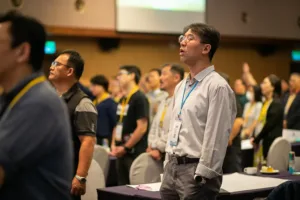
Rev. Ting then revealed the “elephant in the room” being discussed throughout the summit: us. “Should the Chinese church rise? The Chinese church must kneel!” Under Rev. Doong’s leadership, participants knelt before God in repentance, ending the summit with hope and renewed commitment to missions.
Missiology, mission strategies, and mission practices were central to the discussions. Yet, more crucially, the summit challenged participants to embody the gospel by becoming a community of mutual reception and edification. In embracing unity amid diversity, the Chinese church must relinquish nationalism, and generations must abandon mutual biases. With God’s kingdom as our vision and Christ’s heart as our guide, the Chinese church’s “One Heart, One Vision” dream can transcend ethnic barriers and reflect a true kingdom mindset.


Venue: Penang, Malaysia
Dates: Apr 17-20, 2023
Participants: ~76
Conference Highlights Video
Click here to watch the highlights
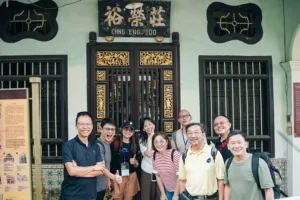
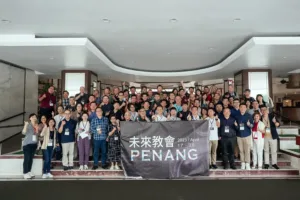
The world is changing so rapidly, and the pandemic has also broken down the limitations and boundaries between regions and languages. From the perspective of both believers and pastors, there have been significant changes in how they view “the church.” CCCOWE Taiwan and Lausanne Taiwan jointly held two “Future Church” forums in 2022. During the two-day, one-night journey, pastors and co-workers lived and fellowshipped together, and through dialogue and exchange on the three themes of “Gospel Mission,” “Disciplemaking Church,” and “Global Mission,” they connected with each other, jointly developed a sacred imagination, and identified directions for intercession for the future of the church in Taiwan. Referencing the experience of CCCOWE Taiwan, and embodying the spirit of “Promote, Connect, Co-create,” CCCOWE invited pastors from Taiwan, Malaysia, and Singapore to participate in the significant gathering of Future Church @ Penang, held from April 17-20, 2023, in Penang, Malaysia. A total of 72 people participated, and through 4 days of exchange, dialogue, and intercession within the context of fellowship life, they jointly discerned God’s will and action throughout the earth.
In the conference, we continued with the three themes of “Gospel Mission,” “Disciplemaking Church,” and “Global Mission,” inviting pastors from different regions to share their insights with us:
Gospel Mission
Dean Clement Chia profoundly explored the essence of the gospel and its crucial place in church life. He pointed out that the gospel is not just the starting point of Christianity, but also the process and the endpoint, and called for the church to return to the core of Christianity, placing the gospel at the central position of its ministry.
Pastor Perng Shyang Teng then led us to deeply contemplate the spread of the gospel in different cultures and contexts. He reviewed the transformations the gospel has undergone in different periods, from Hebrew to Greco-Roman culture, and then to modern society today. This allowed us to see how the gospel has been embodied in various cultures and has continuously maintained its vitality.
Finally, Pastor John Kuo emphasized that the gospel should not be held hostage by politics or ideology. At the same time, he presented views on applying technology, breaking through past discourses, and the concepts of respecting the environment and simple living. This is a concrete and visionary outlook for the future development of the church, which will guide the church to welcome new challenges.
Disciplemaking Training
Senior Pastor Chiru Yang from Blessed and Blessing Church in Kaohsiung, Taiwan, spoke about “selfishness” being a critical weakness in disciplemaking training. The Vicar of St. Peter’s Church, Ipoh, Malaysia, Jacob Bau, then shared with the pastors present the greatest obstacles and key factors in building a disciplemaking church. Senior Pastor Kenneth Goh from Cornerstone Evangelical Baptist Church in Singapore led everyone to assist disciples in developing life skills through biblical principles and shared how to apply existing theoretical frameworks (e.g., developmental tasks at different life stages, emotional management skills) to nurture disciples.
Global Mission
President John Ong from Malaysia Baptist Theological Seminary clearly pointed out that a church losing its Mission mandate is like losing its heartbeat. President Ong profoundly analyzed the reasons for the decline of churches in Europe, presenting three key factors: lack of power in the pulpit, lack of testimony in the pews, and lack of the gospel outside the church building.
Senior Pastor Albert Chuang from Tamkang Church in Taiwan challenged the balance between the church’s “coming” and “going,” emphasizing that the church is not just about receiving believers, but even more so about becoming a missionary church that goes out to lost souls. Pastor Juang encouraged the church to overcome the fear of stepping out of their comfort zones, to embark on the path of the Great Commission, and offered concrete suggestions for implementation.
Pastor Desmond Tian from Lighthouse Evangelism in Singapore focused on the vision for Chinese Global Mission, emphasizing the need for Chinese churches worldwide to connect, share resources, support each other, and engage in training and evangelistic ministry. He deeply explored the 10/40 Window and the opportunities in the Middle East today, calling on Chinese churches at this special juncture to jointly commit to the Mission mandate.

Venue: ZOOM
Date: 3 Dec 2022
Participants: ~842
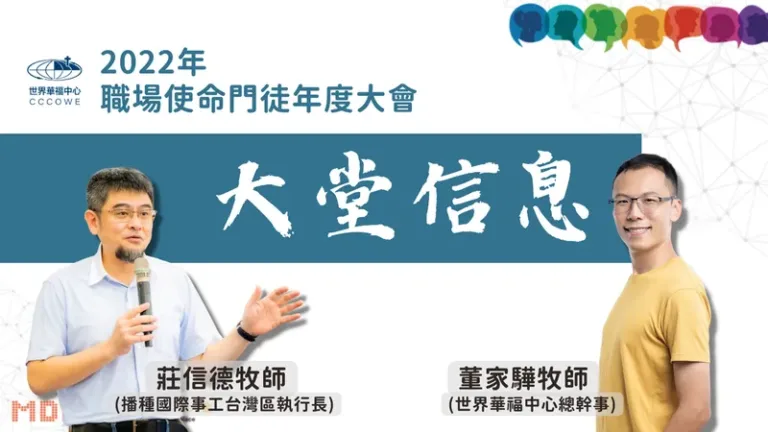
MDW Annual Conference Highlights
Click here to watch the conference highlights
The Workplace Is the Mission Field
In early 2022, the Chinese Coordination Centre of World Evangelism (CCCOWE) launched the Missional Discipleship @ Workplace (MDW) initiative, driven by the concept that “workplace and Mission are inseparable.” Starting in 2022, multiple roundtable meetings were held. Thank God, during this period, we have successively seen numerous MDW gatherings initiated by regional leaders in Europe, Southeast Asia, Canada, and other places.
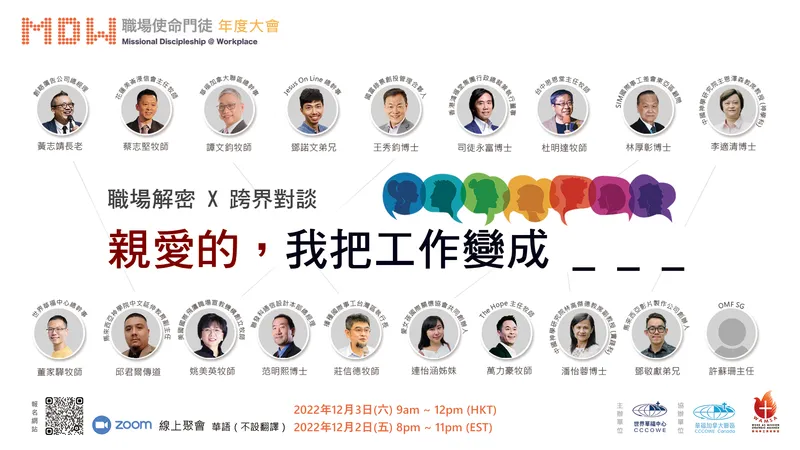
To further transmit the concept and momentum of Missional Discipleship @ Workplace to Chinese churches worldwide and transform it into missional action, CCCOWE, in conjunction with CCCOWE Canada Region and the Work as Mission Strategic Alliance (WAMSA) from the US, held an online international annual conference on December 3, 2022. We felt that in the past, when we talked about mission ministry, we seldom connected with brothers and sisters in the workplace; and when we talked about workplace ministry, we less often connected with pastors in local churches. For this reason, in this conference, centered on the “worker,” we attempted to build a cross-sector dialogue platform, inviting leaders from pastoral, mission, workplace, and theological fields to have opportunities for candid communication and exchange, jointly promoting the idea that the workplace is the Mission Field, and participating in the mission movement of the Great Commission through the workplace. The three-hour online conference had 842 total participants, with a peak attendance of 531. In addition to the main conference message, we also invited entrepreneurs, professionals, young workers, and pastoral leaders to share their experiences with us in workshops.
Missional Discipleship @ Workplace – Why? What? How?
Rev. David Doong (General Secretary, CCCOWE)
Rev. David Doong, General Secretary of CCCOWE, shared with us in the main message – why should we talk about Missional Discipleship @ Workplace?
How then should we live as disciples in the workplace, where action and decision-making are constantly required? Pastor Doong shared that whether in the workplace or the church, compared to the world’s culture that pursues efficiency, we should rather pursue “doing the right things.”
Dear, I’ve Turned My Work Into a Feast
Rev. Daniel Chuang (Executive Manager, Spring of Water International Ministries, Taiwan)
Rev. Daniel Chuang led us to view work through the lens of a “feast.” It’s not about striving to make our work a feast, but about discovering with new eyes that we are already in God’s feast! Pastor Chuang used the entire Book of Esther as his scripture basis, sharing relevant passages that talk about “feasts.”
The First Feast: An Unexpected Feast Leading to Disaster Amidst Merriment
Today’s global political and economic situations are increasingly unpredictable. In Esther Chapter 1, King Ahasuerus, who had just ascended the throne, was experiencing a feast that seemed splendid and abundant at the time, but was on the verge of tragedy. However, while earthly feasts collapse and disperse, the heavenly feast is about to unfold.
The Second Feast: A Feast of Survival Beyond Morality
Following Vashti’s dethronement, Esther was sent to the king’s palace, presenting a contrast with another “good witness” of that time, Daniel. Daniel refused to defile himself with the king’s food and openly declared his faith, while Esther was forbidden by Mordecai from revealing her identity and background, and being sent into the palace was equivalent to intermarrying with a foreigner and participating in the king’s immoral marriage. From this perspective, Esther’s outward actions might easily be judged by us as immoral, but Esther’s testimony also reveals that perhaps the highest priority in the workplace is not whether one can maintain perfect morality and never stumble, but rather experiencing a relationship founded in God’s grace. Pastor Chuang encouraged brothers and sisters who are struggling in the workplace and feel misunderstood, to return to the Bible, allowing the stories of biblical figures to comfort and encourage them.
The Third Feast: A Feast of Grace Amidst Undercurrents
Pastor Chuang concluded by sharing that in the entire book, where God seems hidden, He saved Esther and the Israelites in the third feast. Esther’s final victory was not due to her own cleverness or wisdom, but because God had already arranged the best timing and position for her. Viewed this way, Esther’s final “successful feast” was God’s work from beginning to end (Eph 2:8-10), it was God’s feast (Psalm 23:5-6). Pastor Chuang finally exhorted that no matter what our identity is, what our workplace environment is, or how successful we become, the most important thing is for me – a servant invited to participate in the feast – to discern what God – the Host of the feast – is doing in this feast? So that we can give Him the glory He deserves!
How Can Young Christians Find Their Positioning Under Multiple Identities and Responsibilities?
Sister Helen Yi-Han Lien (Co-founder, Love Binti International)
Today’s young people often live in a “slash” lifestyle with multiple roles. As Christians, what distinguishes us is the ability to find balance and prioritize among these numerous identities, anchored by our core identity as children and disciples of the Lord. Sister Helen Lien, drawing from her rich experience having worked in non-profit organizations and currently pursuing relevant graduate studies in an English-speaking country, shared how she found her way back to her calling amidst various confusions and busyness.
Pastoral Care is Journeying Alongside Young People
Brother Jing Xian Tung (Ministry Director, Life SOAR Resources Center, Malaysia
Many young people today find it difficult to adapt to traditional church pastoral care models. However, this does not mean they are unwilling to commit to their faith. Rather, it requires someone to spend time, journeying alongside them in daily life to help them become mature disciples, and assisting young people in living out their faith in daily life, enabling them to respond to the needs of the world with both faith and their profession. Brother Tung himself is actively involved in a life group for brothers and operates an entrepreneurship platform for young Christians, providing us with insightful sharing and reflection.
Let the Church Become a Base Supporting Young People’s Entrepreneurship and Mission
Rev. JJ Tsai (Pastor, Hualien Mei-Lun Baptist Church, Taiwan)
The area Pastor JJ Tsai ministers in faces the problem of a large outflow of young people seeking education and work. Therefore, he has long focused on pastoring and caring for young people, even establishing an entrepreneurship base within the church to provide a strong support system for brothers and sisters who wish to stay and start businesses. At the same time, Pastor Tsai also leads brothers and sisters from all professions within the church to utilize their talents and become a blessing for church mission, enabling everyone to concretely participate in God’s Great Commission through their own professions, thus allowing the church to step outside the building and enter the community.
How to Live Out Discipleship Life in a High-Pressure Workplace Environment?
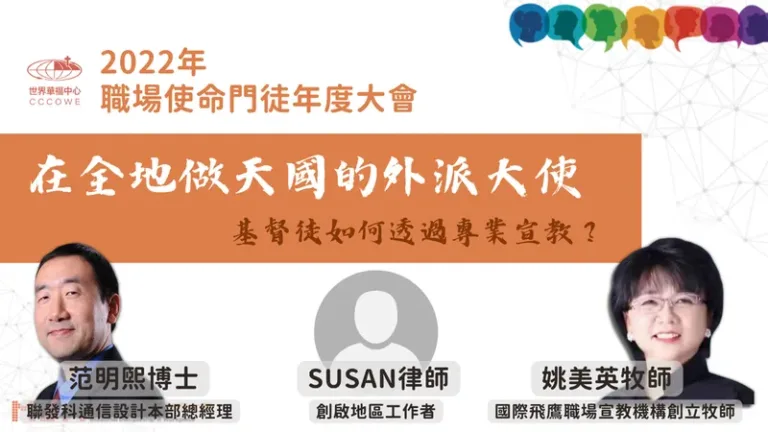
Dr. Ming Xi Fan (General Manager, MediaTek’s Communication System Design Department.)
In a workplace environment that pursues performance and money, Dr. Fan shared with us how, as an “expat from the Kingdom of Heaven,” he relies on God to live a life pleasing to God and make right decisions every day.
The Workplace Is the Mission Field, Everyone Can Participate in Mission”
Speaker: Rev. Eunice Yeo (Founder, Soaring Eagle International)
Tentmaking mission involves spreading the gospel in cross-cultural regions, even in creative access nations, while working as a professional. What challenges do tentmakers face? How can mission be done in difficult creative access regions? In addition to introducing tentmaking mission, Pastor Yeo also reviewed the history of Christian missions to look at the current stage where everyone is called to Mission, enabling Christians from all walks of life to play a crucial role in mission.
Four Key Factors for Professionals Participating in Mission
Susan (Coordinator of Missions Mobilization Strategy in Creative Access Nations)
It is increasingly difficult for full-time missionaries to enter creative access nations today, hence there is a great need for more Christians to enter these regions using their professions. However, living and doing mission in creative access nations is not easy. Susan shared from a practical perspective how Christians should prepare themselves.
As corporate executives, we often need to face the forefront of major environmental changes and easily experience extreme situations “from having everything to having nothing.” As entrepreneurs and as Christians, what is the faith we need to hold onto amidst these changes? How can we continuously rely on God and dedicate our lives to Him?
How Can High-Pressure Entrepreneurs Find Rest in the Lord?
Dr. Ricky Szeto (CEO and Executive Director of Hung Fook Tong Group, Hong Kong)
Dr. Ricky Szeto’s own business journey has been full of turbulence and changes, with both highs and lows, and he has genuinely experienced God’s saving grace. In this sharing, he explained the common challenges global businesses face today, the unique aspects of East Asian businesses, and how Christian entrepreneurs can emit the fragrance of Christ in the workplace.
Step Out of Your Comfort Zone and Participate in God’s Heart for the World
Dr. Eric Wang (Managing Partner, GRC SinoGreen Fund)
Dr. Eric Wang once considered responding to God with full-time ministry. However, God led him to enter the business world to respond to the Great Commission. Dr. Wang did not forget his passion for service, and through actively participating in missional actions, he realized that regardless of identity, everyone is weak and lacking and needs God’s grace.


Venue: ZOOM
Date: 15 Dec 2022
Attendees: ~16
The sixth MDW Roundtable Meeting, initiated by CCCOWE, successfully concluded on December 15, 2022. We were privileged to invite Dr. Annie Pan, Lam Ko Kit Tak Associate Professor of Practical Studies at China Graduate School of Theology, to speak on “Returning to the Lord’s Love.” Her presentation encouraged participants to emulate long-standing spiritual traditions from church history, enabling them to return to the rest and love promised by the Lord amidst a rapidly changing era.
Throughout her ministry journey, Dr. Pan has accumulated extensive experience in shepherding brothers and sisters in the workplace. She observed that the global environment has undergone significant changes over the past five years, leaving many workplace Christians physically and mentally exhausted. They particularly need to find ways to settle their hearts and understand God’s will in this volatile period. Therefore, this session introduced several long-standing spiritual traditions from church history to guide brothers and sisters in spiritual practice.
The Intersection of Practical Theology, Spiritual Theology, and Workplace Ministry
A shared core principle between Practical Theology and Spiritual Theology is the call to engage in inner theological and spiritual discernment within our current circumstances. This enables us to align with God’s will and take corresponding action. The primary focus of spiritual renewal should first empower us to embrace God’s grace through “repentance and turning to God.” Second, it involves discerning “how God’s kingdom is unfolding” in our present context, so we can actively join God’s work rather than dwelling in past regrets. These principles are highly applicable to brothers and sisters in the workplace, fostering sensitivity to God’s kingdom and work, and preventing deception by superficial worldly appearances.
Establishing a Spiritual Rhythm in Workplace Life
The rhythm of the “Liturgical Year” involves spiritual disciplines based on biblical feasts and natural cycles. Its core lies in being Christ-centered, encouraging reflection on the life, death, resurrection, and certain return of Jesus Christ through these periods. This helps the faith community move forward consistently, anchored by this stable rhythm even in chaotic times. Historically, the practice of the liturgical year empowered the church to maintain hope even amidst periods of persecution, the Black Death, and wartime turmoil. After the Reformation, Protestant spiritual theology shifted its emphasis from the resurrection to the suffering inherent in cross theology. However, this shift might inadvertently diminish our hope for the afterlife and our courage to face the present. Reflecting on Christ’s entire life and proclaiming His certain return equips us with a renewed perspective, enabling us to return to our daily lives and confront everyday toil and troubles.
Steps for Inner Renewal in the Workplace
Many spiritual formation books commonly mention “three basic steps for spiritual renewal”:
Practicing within the liturgical seasons, guided by these steps, can help our hearts be renewed in the right direction. It assists brothers and sisters in the workplace in creating a necessary distance from the world, turning back to God, and being filled by Him. This renewed perspective allows us to see beyond workplace appearances, perceive the true spiritual kingdom, and empowers us with the clarity and direction to walk the path of the cross.
Adjusting the Direction of Prayerful Desires in the Workplace
We need to first empty our hearts to be truly filled by God. Brothers and sisters in the workplace often find their spirits weighed down by professional burdens. Dr. Pan reminded us not to perceive workplace burdens and challenges as “great,” but rather to emulate Mary, the mother of Jesus, who “magnified the Lord.” Knowing that we are simply to do our best, and that God is ultimately responsible for the final outcome, empowers us to release the burdens in our hearts.
Cultivating Positive Habits of Action in the Workplace
Dr. Pan encouraged us, acknowledging that in these immensely challenging times, we may not be able to achieve great things. However, there are numerous small acts of love we can undertake. Every action performed in the workplace, if offered out of love to God, will surely be remembered by Him. We should intentionally cultivate ourselves to become individuals who can bless others and be blessed by God in return.
Relying on the Gifts of the Spirit and Love
Finally, Dr. Pan shared that in this changing era, we particularly need wisdom, ability, and love. Therefore, Christians must earnestly call upon the Holy Spirit. We should ask the Spirit to grant us what we lack in areas where we feel resourceless, enabling us to confront various challenges. Especially when facing difficulties, it is crucial to remember God’s grace and the inherent goodness of humanity.
Rev. Kim-Seng Toh’s Response: Shepherding Workplace Brothers and Sisters Back to Fundamental Spiritual Disciplines
This response featured Rev. Kim-Seng Toh from Pusat Baptist Sungai Ara in Penang, Malaysia. Rev. Toh observed that over the past few years, due to the pandemic, busy professionals finally had time to read the Bible. However, now that life is gradually returning to normal, many are no longer reading it. Yet, pursuing spiritual change and renewal is inseparable from Scripture. To shepherd busy professionals, we might leverage various convenient Bible apps and provide one-on-one companionship to help brothers and sisters understand the Bible. Furthermore, being familiar with God’s Word enables them to discern God’s will in their workplace lives. Rev. Toh then shared that, in addition to Bible reading, prayer is also crucially important. Many individuals in the workplace are busy; they need Wi-Fi wherever they go, but are their lives connected to God? If even Jesus needed prayer to sustain His daily ministry, how much more do busy brothers and sisters in the workplace? We must consistently return to prayer to strengthen our relationship with God. For instance, the RPG (Revival Prayer Group) movement, which has gained traction in Taiwan in recent years, is an excellent method. These prayer groups can be established within churches, or even across churches, to watch over one another, letting workplace brothers and sisters know they are not fighting alone.
Beyond the fundamental disciplines of Bible reading and prayer, Rev. Toh also cautioned that many past theological views need to change. For example, when Paul preached the gospel in Athens, he stated that “in Him we live and move and have our being.” Therefore, workplace Christians should be reminded: they are not just Christians when they attend church on Sunday, but their everyday workplace life is precisely where they experience God. We should promote the concept of “integrating faith into daily life and daily life into faith,” helping brothers and sisters dedicate their everyday existence to God. Practically, pastors should increasingly utilize one-on-one coaching to accompany brothers and sisters as they navigate daily life, enabling them to experience God within it. Moreover, what we do in the workplace may appear to be done for people, but Colossians reminds us that whatever we do, we should do it from the heart, “as working for the Lord, not for human masters.” Thus, everything Christians do in the workplace can be transformed into service offered to God; indeed, “the workplace is the harvest field, and work is ministry.” Some pastors worry that if we promote this concept, many brothers and sisters will no longer commit to serving in the church. However, Rev. Toh reminded us that spiritually mature brothers and sisters will naturally be willing to commit to church service. And the more brothers and sisters are willing to serve God in the workplace, the more their spiritual lives will naturally mature, and the greater opportunity they will have to share the gospel with non-Christians in their workplaces.
Finally, Rev. Toh encouraged that all spiritual disciplines must return to a “Christ-centered” foundation. He expressed deep gratitude to Dr. Annie Pan for sharing the message of “Returning to the Lord’s Love” in this session.
Venue: ZOOM
Date: 13 Oct 2022
Attendees: ~19
The fifth MDW Roundtable Meeting, initiated by CCCOWE, concluded successfully on October 13, 2022. We were honored to invite Elder Yu-Feng Ho, formerly an elder at Hsin-Yi Friendship Presbyterian Church in Taipei (HFPC), who later participated in pioneering and shepherding Banxin Friendship Presbyterian Church, to speak on “Biblical Exegesis and Work.” His aim was to re-align our perspective on work based on the light emitted from Scripture.
The Relationship Between Scripture and Life Requires a Paradigm Shift
Elder Ho pointed out that within the Chinese evangelical church context, there is a tendency towards “doctrinal exegesis.” This approach attempts to derive universal and eternal truths and principles from the Bible, which are then applied to our work. However, Elder Ho proposed a new exegetical approach: to more deeply enter the context of the biblical text itself, following God through the Scripture as if personally present in the scene. He posited that the extent of our understanding and experience of the text will lead to corresponding qualities being lived out in our lives, allowing biblical Scripture to genuinely intersect with life’s circumstances.
Three Keywords and Three Themes in This Passage
For this discussion, Elder Ho chose the passage from Matthew 19:1 to 20:16 to explore the relationship between the text and workplace life. Elder Ho first provided an overview, observing keywords that repeatedly appear throughout the passage. First is “follow.” Second is “the kingdom of God.” And the third is “forsake.” From a second perspective, he segmented the text to reveal different themes discussed within this passage. Matthew 19:3-12 discusses marriage through the issue of divorce; 19:13-15 addresses the parent-child relationship by contrasting adults and children; and 19:16-30 explores the impact of a wealthy person’s possessions on his entry into the kingdom of God.
The Focus Is Not on Doing the Right Things, But on Following the Right Person
In verses 16-30 of this passage, a rich young man approaches Jesus with a question, much like someone in today’s workplace who has wealth but also seeks the path of life. His question to Jesus reveals a “what can I do to get what” mindset, a common way of thinking in the workplace. However, Elder Ho pointed out that Jesus challenged him: it’s not about whether you’ve done the right things, but “have you found the right person?” The second challenge then follows: eternal life is not something to be “gotten,” but something to “enter” (to enter a state).
Keeping the commandments is akin to today’s emphasis on workplace ethics. Yet, simply keeping commandments or ethics is insufficient. Jesus then mentioned that those who enter eternal life are perfect, meant to enter into a life of goodness like God, entering the realm of charity and generosity. Finally, it involves forsaking everything to follow Jesus. But for professionals, how can one remain a follower of Jesus amidst a busy life?
Following Jesus Means “Forsaking”—Adjusting the Order of Your Life
Elder Ho shared that Jesus continuously emphasized “forsaking,” which is about us reordering the priorities of our resources. “Becoming perfect” is the direction of life Jesus pointed out. In our lives, we will continuously experience gaining possessions and then giving them to those in need. Consistently practicing this is a life of following Jesus and moving towards perfection. We will then not focus on what we should do to earn more, but on how we can become more mature and perfect, and whether we can attract people closer to Jesus.
Elder Ho also shared that the three sections of this biblical passage show us how marriage and parent-child relationships are connected to the workplace and wealth. Many successful individuals in the workplace sacrifice other aspects of their lives to gain wealth, which ironically leads to brokenness in their lives. Therefore, the passage mentions that Jesus “healed.” Elder Ho posited that Jesus healed those whose marital and parent-child relationships were broken, and those who had much wealth but impoverished lives.
Brother Paul Chan’s Response: Returning to Biblical Foundations to Explore the Relationship Between Workplace and Faith
Brother Paul Chan shared that the Bible frequently mentions “work” or “the workplace,” which logically suggests there should be extensive discussion on the connection between faith and work. However, the reality is that even in the Western world, between 1980 and 2000, there were only 79 Christian books related to work. From 2000 until now, discussions on faith and work have finally begun to show explosive growth. Yet, this topic is still largely categorized within the “parachurch” sphere, unable to enter the mainstream discourse of church pastoring. Facing such a lack, the church truly needs to place greater emphasis on how to shepherd brothers and sisters in the workplace, and to do so with a biblically grounded perspective, not merely by referencing secular knowledge. Christians do not need eloquent words; returning to the Bible can illuminate profound truths.
Pastor David Doong’s Response: Living in the World but Not of the World
The values of the “modern world” cause people’s original identity to disintegrate, leading them to increasingly rely on “possessions” to define their worth. This is also a primary reason for the struggles faced by churches and Christians in various dilemmas. This “possession” model not only impacts our view of work but also our pastoral care. Today, Elder Ho repeatedly emphasized the idea of “forsaking”—not merely as giving up material wealth, but as actively letting go of worldly values. When facing the “worldly arena,” Christians often respond in a few different ways. One is to withdraw from it—spending more time serving within the church. Another is to seek to conquer it—bringing every sphere under the reign of Christian faith. But perhaps there is a third way: to live above it, with confident grace. As Scripture says, we are in the world but not of it—we live within, yet are not defined by, the world!
Practically, how can we foster a greater emphasis on workplace theology and pastoral care within the church? Perhaps church pastors need to cease relying solely on external parachurch organizations to mobilize brothers and sisters for mission. Instead, they should return to the church’s core identity and personally mobilize disciples to engage in mission wherever they are, which, of course, includes fostering a disciple-making movement in the workplace.
Discussion on Marketplace Theology
Dr. Joseph Pai shared that Marketplace Theology has garnered increasing attention in recent years, beginning with workplace ethics and expanding into discussions on workplace spiritual formation (Spiritual Theology). Indeed, practicing spirituality in the workplace is far more challenging than in the church environment. Spiritual Theology can help brothers and sisters in the workplace translate knowledge into unique personal life experiences, and equip them to navigate the prevailing worldly culture in their professional settings. The Old Testament also offers numerous examples of spiritual practice within the workplace, such as Jacob, Joseph, Daniel, Nehemiah, and many others, which are incredibly helpful for brothers and sisters in the workplace.
Rev. Benedict Kwok Hung-biu shared that when we engage in daily Bible reading, particularly from the Old Testament, we can glean much wisdom for confronting our daily work. Therefore, we should maintain our passion for biblical study, ensuring we delve into both the New and Old Testaments.
Beyond this, we ought to assist one another in integrating faith perspectives with workplace life. Rev. Kwok also encouraged brothers and sisters to engage with Historical Theology, noting that theological discourses by figures like Martin Luther, Augustine, and Calvin comprehensively integrated these domains. This offers a holistic perspective that can help us overcome the limitations of today’s highly compartmentalized theology. Concurrently, Rev. Kwok frankly admitted that theological researchers in the Chinese world are still relatively few in the field of workplace theology. Hence, we anticipate future theological seminaries will collaborate more extensively with brothers and sisters like Elder Ho, who possess both workplace experience and profound biblical insights, thereby enriching the scope of Chinese Marketplace Theology.
Rev. David Doong highlighted a persistent tension between seminaries and local churches: seminaries aim for more robust theological research, while churches expect more practical pastoral methods. Yet, this tension can become a “creative tension”—propelling theological and church revival through external environmental shifts and pressures. Societal issues are ceaseless, but perhaps more crucially, how can we identify an essential practice of faith—discovering the fundamental principles of the Christian life and applying them to navigate diverse changing environments? Consequently, our expectation for seminaries may not be merely to offer more courses, but to equip seminary students with this integrated worldview.
Rev. Kenneth Wu responded that while current seminary teaching may primarily cater to the needs of church pastoring, we should not limit ourselves to the church context. Instead, we must integrate the lives of brothers and sisters in the workplace into seminary educational thought. Rev. Wu also raised the issue of “spiritual consistency.” Given the relatively straightforward church environment, practicing faith within the church seems to encounter less resistance and is perceived as easier. However, inconsistencies in our inner lives are often exposed in the complex and high-pressure workplace. Therefore, seminary teaching should consider such intricate circumstances to help brothers and sisters live lives of unwavering consistency.
Speaker’s Concluding Response
Finally, Elder Ho summarized the many issues discussed today concerning the integration between seminaries and local churches, and between pastors and marketplace leaders. Perhaps we could invite seminary professors to teach courses within churches, and simultaneously invite individuals with marketplace experience and biblical teaching ability to teach at seminaries, fostering humble mutual learning.
Ultimately, however, the most crucial element is “people.” What we need most is to emulate the Lord’s example, not just courses or words; we need many individuals who embody the life of Jesus, so that others can witness genuine testimonies. This is where seminaries, churches, and Marketplace Theology ultimately converge—in a particular person, in certain individuals, or within a specific group of people!
Venue: ZOOM
Date: 11 Aug 2022
Attendees: ~25
Understanding God’s Entrustment of Stewardship to Christians from the Concept of “Investment”
The fourth MDW Roundtable Meeting, initiated by CCCOWE, concluded successfully on August 11, 2022. We were honored to invite Dr. Richard Higginson, a retired professor from Ridley Hall Theological College in Cambridge, to speak on “Exploring Finance, Entrepreneurship, and World Mission from the Perspective of Stewardship.” Dr. Higginson also serves as the Director of the “Faith in Business” ministry at Ridley Hall, dedicated to helping Christians in the workplace live out their faith in challenging environments.
God as an Investor – Investing in His World and Entrusting Management to Humanity
The “Faith in Business” ministry believes that God is an investor. In the beginning, God invested (created) in this world with His own resources. Among all creation, humanity holds a special place—only humans are created in God’s image. This signifies that humans possess the capacity to “create, maintain, and restore,” which is reflected in the various professions people undertake. This authority to manage all things comes from God; humanity is subject to God’s authority and is accountable to Him. However, when God entrusted humanity with managerial authority, He also took the risk that humans might stray from His path, act irresponsibly, and mismanage—which is one aspect of humanity’s fall.
How Humanity Utilizes God-Given Resources
The Earth contains numerous resources that require extraction, transformation, and refinement to yield value. Since the Industrial Revolution 250 years ago, the extraction and use of resources like coal, oil, and natural gas have increased dramatically, leading to both positive and negative impacts. On one hand, it has generally improved human living standards and convenience, but on the other, the extraction process has damaged the environment, and issues of uneven resource distribution have emerged. Today, the Earth’s ecosystem is severely compromised as a result. The first step to addressing this problem is to return to the individual level. God has given all of us time, money, and talents. Scripture reminds us to wisely manage our time, money, and talents, and to use them to help the vulnerable. Combining these two core principles—wisdom and compassion—forms the criteria for what is now known as “Social Enterprise.”
The Responsibility of Business Professionals, Investors, and Consumers Regarding Environmental Issues
Business professionals and investors must assume responsibility for responding to the ecological crisis. Many corporate leaders are now willing to confront this crisis, as evidenced by the various green energy technologies mentioned in Bill Gates’ book, “How to Avoid a Climate Disaster.” Even if we are not all highly influential business professionals, we are all certainly investors or consumers, and every consumption and saving decision we make will have an impact. Therefore, we need to examine: are we investing our money in trustworthy products and companies? The power of corporations is like a double-edged sword, causing many societal dysfunctions today, yet simultaneously holding the potential to lead us out of these disorders. We believe God delights in redeeming businesses from sin and setting them on the right path. The concept of “sweat equity” reminds us that investments made based on conviction require such patience and faith. Investing in companies aligned with our values may not yield immediate profits, but ultimately, we will see the reward.
Responding to God’s Three Great Commands in the Workplace
The Bible records three key commands from God to humanity:
The love for neighbor in the Great Commandment encompasses all people, even enemies. Its application in the workplace means loving all stakeholders: employees, customers, suppliers, investors, and even competitors. The Great Commission calls us to live in a manner pleasing to Jesus, ensuring our actions, lifestyles, and business practices align with God’s will. May we, in whatever position we hold, respond to these three key commands of God with a life of discipleship.
Dr. Hilton Chan: Being Faithful Stewards in All Aspects of Life
Responding to Dr. Higginson’s concepts of management, Dr. Hilton Chan offered examples like the Data Governance Model and investments in Green Finance and Micro, Small and Medium Enterprises (MSME). Today, many private and public organizations, such as governments, hospitals, companies, and schools, need to collect and manage people’s digital information. Responsible institutions are now adopting the concept of a “Data Governance Model.” These entities are merely custodians of the data, not its owners; thus, owners retain the right to access and use their data at any time. Through this new type of management model, we can more wisely safeguard people’s rights. Furthermore, regarding investment choices, Dr. Chan personally invests in the electric vehicle industry as a way to protect the natural environment and supports companies that implement ESG indicators (Environmental, Social, Governance). Beyond this, governments cannot always steadfastly implement environmental protection measures; public participation and advocacy are needed, and Christians, in particular, should not shirk this responsibility! The rise of micro-enterprises within platform-based businesses is also worth our attention today. Micro-enterprises are generally more environmentally friendly, emphasize responsibility for the environment in consumption and production activities, and help reduce unemployment. They represent an emerging business model worthy of our investment and participation.
Rev. Willis Han: Caring for Creation in Response to God’s Glory
God commanded humanity to care for His created world. The severely damaged ecological environment today presents an urgent challenge to human stewardship, and climate change compels humanity to confront environmental care. However, Chinese churches, overall, tend not to recognize the importance of environmental care. This is because Chinese church theological discourse often bifurcates the spiritual and the secular, failing to see the value of the created world. We need to break through this worldview through holistic mission (holistic ministry). Holistic mission believes that God created the universe for Himself, such that when we care for this created world, which reflects God’s glory, this action becomes part of Mission. Mission agencies and church leaders should actively embody and convey the message of environmental care. We hope that through the actions and reflections of all, Chinese churches will increasingly care for the environment in the future, not just for human benefit, but for God’s glory.
Speaker’s Concluding Response
We observe that Christians globally are already deeply involved in charity and giving. However, in their investment behaviors, they often do not apply the same wisdom and principles to manage their resources. Christians should integrate the principles applied in both charity and investment, acting according to God’s will in both domains. Climate change and how to invest have become the most critical issues facing humanity today. The world is gradually awakening from past mistakes, and the church should not lag behind!
Venue: ZOOM
Date: 9 June 2022
Attendees: ~22
The third MDW Roundtable Meeting, initiated by CCCOWE, was successfully held on June 9, 2022. The meeting was honored to have Rev. Edmund Chan, leadership mentor at Covenant Evangelical Free Church in Singapore and founder of the Global Alliance of IDMC, as the guest speaker. Rev. Chan believes that whether in leadership studies, discipleship, or marketplace ministry, if we do not understand the importance of “leading from the inside out,” we are prone to soul fatigue, losing the strength and courage to respond to God’s calling. To build this “inside-out” quality of life, we must understand “soul fatigue” and how to overcome it. Therefore, in this meeting, he addressed the topic of “Overcoming Soul Fatigue,” returning to the biblical foundation to redefine “success” and presenting five key elements for living out “inside-out” leadership in the marketplace.
The Importance of Understanding “Soul Fatigue”
Rev. Chan explained why understanding “soul fatigue” is crucial for marketplace leaders and disciple-makers. He believes that Christian ministry is a natural outflow of inner life, and the quality of inner life determines the quality of ministry. Therefore, paying attention to inner life is vital for living out discipleship and reflecting the image of Jesus in every sphere where we are called. Lack of awareness of “soul fatigue,” and consequently not knowing how to overcome it, will inevitably hinder us from fulfilling our ministry and carrying out God’s calling on our lives.
Rev. Chan used the story of “the dying king and his four wives” as an analogy for what we tend to value in life and our neglect of our inner “soul.” For example, we cherish our physical bodies, possessions that define our happiness and identity, and the constant companionship of family and friends. However, none of these can accompany us into the afterlife; only our souls can. Yet, in our lives, we often choose to be busy with the many demands of life, ministry, the workplace, work, and career, neglecting to care for our “souls.”
Christian Success is “Becoming a Faithful Steward”
Next, Rev. Chan returned to the Bible to redefine “success.” He believes that for Christian disciples, success is not defined by worldly standards but by whether we respond to God’s calling to stewardship. This means that becoming a “faithful steward” before God is more important than achieving worldly success. According to Scripture, the practice of Christian stewardship must align with God’s will. While Christian disciples share a common calling to stewardship, they also possess unique gifts and identities. If we want to be considered successful by God, it means we must follow His calling and properly use the gifts He has given us to fulfill His will. The decisive indicator of a successful Christian steward is faithfulness. Faithfulness is measured by whether we “finish well” at the end of our lives. Many obstacles can prevent a person from finishing their stewardship well, and one of the main obstacles is “soul fatigue.”
Exploring the Symptoms, Causes, Consequences, and Solutions of “Soul Fatigue”
Three Symptoms of “Soul Fatigue”
Rev. Chan believes there are three symptoms of “soul fatigue.” First, a sense of rush – feeling hurried and rushed amidst busyness. Rush is essentially a form of stress felt when one’s inner capacity cannot match the external environment or is insufficient to cope with external changes. As a result, tasks control us rather than us controlling tasks. Second, boredom. Under pressure, people become numb and apathetic. On the one hand, they feel rushed, but on the other hand, they feel that life is monotonous, lacking novelty and excitement, with nothing to be enthusiastic about. Third, isolation. We feel lonely and misunderstood, a consequence of losing passion.
Internal Causes of “Soul Fatigue”
Rev. Chan summarized three internal causes of “soul fatigue”: “running on empty,” “running after emptiness,” and a “flawed inner script.”
Jeremiah 2:5 states, “This is what the Lord says: ‘What fault did your ancestors find in me, that they strayed so far from me? They followed worthless idols and became worthless themselves.'” This verse highlights the internal cause of soul fatigue: first following worthless gods, then becoming worthless ourselves. Running on empty leads to soul poverty, while running after emptiness leads to an addiction to emptiness. Once we are running on empty and uncontrollably pursuing emptiness, soul poverty not only depletes our inner reservoir but also makes our souls addicted to everything that destroys life.
The third cause stems from our “flawed inner script,” where we believe our self-worth comes from having things to do. However, the correct inner script is to recognize our true identity – God’s children. We are loved and valuable because God loves us, not because of what we are doing. One’s understanding of identity affects our sense of security and worth. Our first and most important identity is not being a successful leader, but clearly recognizing ourselves as God’s children.
Consequences of “Soul Fatigue”
Soul fatigue leads to three consequences: loss of clarity, loss of courage, and loss of joy. First, the loss of clarity, along with a gradual shift in one’s value system. Second, the loss of courage to respond to God’s calling. We fail to respond to God-assigned tasks because we believe we are too busy or incapable, yet we spend time on things that become soul addictions and distractions. This is because our souls are too weary and need to escape the pain of rush, boredom, and isolation, further diminishing our capacity to take on more tasks. Third, the loss of joy. Psalm 100 is a song of celebration and joy. The mark of a Christian is serving with heavenly joy, finding strength in all circumstances. When our souls see God’s overflowing grace and sense His presence, we become abundant, grateful, and profound, moving forward in heavenly gratitude and joy. But when our souls are weary, empty, or chasing after emptiness, we allow our flawed inner scripts to control us, becoming joyless. Even if we continue to achieve external success and affirmation, deep down, we know we are not joyful.
Solutions to “Soul Fatigue”
The solution to soul fatigue cannot merely address the symptoms but must address the root causes. Rev. Chan mentioned three main solutions: acknowledge soul fatigue, take personal responsibility, and change belief systems. First, acknowledge soul fatigue. Just as an empty fuel tank needs refilling rather than forcing the car to continue driving, we need to acknowledge our needs and intentionally set aside time for the Lord to restore and renew our lives. We do not try to restore our souls through activities or vacations but by “changing our lifestyles” to address soul fatigue. Second, take personal responsibility. This means examining and caring for our personal lives and revising our priorities. Third, change our belief systems from having to accomplish more things to simply fulfilling God the Father’s will. Our flawed inner scripts constantly lead us to commit to or reject external things, but when we allow our souls to return to a place of quietness, seeking time in Scripture and intimacy with the Lord, we can reorder our priorities and recognize and embrace God’s calling and tasks. When we can fully say “yes” to the Lord, we can say “no” to everything else in the world.
Five Keys to Marketplace Leadership
After discussing soul fatigue and the renewal of inner life, Rev. Chan addressed the practical application: how to become a marketplace leader who leads “from the inside out”. He shared five keys to marketplace leadership: curating clarity, re-staging the risk horizon, auditing alignment, zooming in on zeal, and yielding yieldedness.
First, curating clarity. This is the primary task of entrepreneurial leadership and must be developed on the foundation of “clearly understanding God’s calling” and “clear core values.” He emphasized the importance of filtering core values because everything may be good, but not necessarily worth doing. Therefore, it’s not just about filtering values, but filtering the best core values, biblical values, to respond to God’s calling.
Second, re-staging the risk horizon, which is assessing risk and making trade-offs. Marketplace leaders must avoid two extremes: risk avoidance and impulsively jumping into risk. We cannot passively avoid risk without making changes, but we must also be clearly aware of risks while seizing opportunities and potential, otherwise, we will fall into impulsive risk-taking. Therefore, re-staging the risk horizon means having objective evaluation criteria for risk and trade-offs, constantly seeking God’s wisdom and guidance.
Third, auditing alignment. This means that when we face many challenges and potential compromises in the marketplace, we must maintain alignment with the Lord’s values and our core values, walking with Him. It’s not just about intellectual understanding but living out our core values through action.
Fourth, zooming in on zeal. We will encounter many discouragements and setbacks in the marketplace and business world, but we must never lose our passion or courage. A common key that many business owners learn from the marketplace is to persevere in God, maintaining enthusiasm, zeal, and tenacity.
Fifth, yielding yieldedness. Success in the marketplace is not the key; the key is to be God’s faithful servant, working alongside Him. The Bible says, “You are the salt of the earth. You are the light of the world.” The Greek uses the plural pronoun “you,” which is a very good pronoun. Only “you” are the salt of the earth, “you” are Jesus’ disciples, and “you” are the light of the world. Through God’s help, let us be salt and light in the marketplace from the inside out.
Dialogue between Rev. David Doong and Rev. Chan: Pastoral Care Strategies for Those without Marketplace Experience
Rev. David Doong, General Secretary of CCCOWE, asked Rev. Chan to share how pastoral leaders without marketplace experience can pastor or equip brothers and sisters working in the marketplace. Rev. Chan believes that pastors without any marketplace experience can pay attention to two principles. First, pay attention to the leadership sensitivity, calling, and gifts that the Lord has given you. Second, learn by observing and incorporating the voices of other marketplace leaders.
Many pastors are enthusiastic about caring for marketplace Christians and possess pastoral gifts, but without marketplace sensitivity, they cannot understand the thoughts of marketplace Christians. Even if they faithfully pastor according to the Bible, there will be a significant gap between their ministry and the actual situations of marketplace Christians. Therefore, when engaging in marketplace ministry, pastors need to be humble learners. First, learn from brothers and sisters in the marketplace, listen to their world, engage in dialogue with them, and even visit their workplaces to understand the reality, sharing Scripture and biblical leadership principles.
Second, incorporating the voices of other marketplace leaders is an alternative learning approach for pastors without marketplace experience. Rev. Chan never tells business leaders what to do in his capacity as a pastor. Instead, he brings the voices of other marketplace leaders into the pastoral context, facilitating collaboration between pastors and marketplace leaders and offering different perspectives. Pastors can observe and learn from the conversations among marketplace leaders. Over time, these marketplace leaders also learn to apply biblical leadership principles to the realities of the business world.
Response by Dr. Hilton Chan: Reframing Ministry Challenges with Creativity
Dr. Hilton Chan (Director of Business with Higher Purpose, Canada) responded that Rev. Chan’s mention of “successful stewardship” resonated with his ongoing reflection on the theme of “the Creator and His creation.” He believes that humans, created in God’s image, are endowed with creativity to solve problems and handle crises. Problem-solving and crisis management often require designing the problem, and problems are often confined within a certain framework. If the definition is limited to a narrow and outdated framework, it is difficult to find solutions. Creativity can break through these frameworks.
He used Hong Kong’s crisis management during the pandemic as an example, illustrating how finding common values can address dilemmas. Dr. Chan believes that wisdom is defined by how creatively we ask and define questions before solving them. Redefining old concepts can often solve problems and allow two values to coexist. He believes that in practical implementation, many things are not clearly either/or, but rather, through creativity, we can find shared and intersecting areas. Therefore, he believes that Rev. Chan’s discussion of the relationship between entrepreneur, missionality, and discipleship demonstrated how to redefine and creatively find problem-solving methods. This can help Christians consider how to redefine difficulties, dilemmas, conflicts, etc., under the core values of faith, hope, and love and creatively serve God in today’s world, facing a challenging future.
Dialogue between Dato Peter T.S. Ng and Rev. Chan: Pastoral Relationships in Discipleship
Dato Peter T.S. Ng (Founder of UCSI Group) invited Rev. Chan to share specific actions that can be taken in one-on-one mentoring with business leaders to help pastors and mobilize disciples. Rev. Chan suggested three things. First, discuss the Bible. Listen and share devotional insights, bringing everything back to God’s Word. Second, discuss family. Understand that their families need to touch important areas of their lives, including parenting, marriage, and spiritual growth within the family. Third, discuss workplace challenges and learn from them. Listen to their challenges to broaden one’s perspective and spark curiosity about understanding their world, then discuss biblical principles and leadership wisdom. Rev. Chan uses Thought Leadership to guide the leaders he mentors, hoping, through God’s grace, to help them achieve the golden triangle of leadership: clarity, courage, and compassion. Without a clear calling, it is impossible to adapt to the ever-changing workplace. Courage means “daring to become who God wants us to be.” Compassion means that God has granted us influence and power to serve, not to conquer.
Dialogue between Dr. Joseph Pai and Rev. Chan: Returning to the Foundation of “Disciple-Making”
Dr. Joseph Pai (Former Chairman of Ogilvy & Mather Taiwan) observed that Chinese churches face many difficulties in developing marketplace ministries. Is it possible to integrate marketplace ministry as an internal ministry of the church? How can this be achieved, and how can we break through? To address this question, Rev. Chan believes it is necessary to return to the foundation and core values of faith. Through God’s grace, four things can redefine the core values of Christians: being disciples, making disciples, growing disciples, and mobilizing disciples. God has a redemptive mission for the world. If we can define everything through God’s calling, for the sake of His redemptive mission, then everything else will return to the church’s core mission. Otherwise, we are merely trying to be busy in various areas, such as being good family members and good workplace professionals, losing sight of our role as intermediaries in God’s redemptive mission.
Rev. Chan believes that the challenge is often not with marketplace ministry itself but with church culture. In Chinese churches, when discussing how to develop successful marketplace ministries within the church, the most fundamental definition often depends on who makes the decisions, who has the final say, what the church’s priorities are, what channels, platforms, and ministries attract attention, etc. Churches lack leaders, furthermore, churches have many other needs. Starting a marketplace ministry requires resources and leadership, which means reallocating leadership and resources, easily leading to a Silo Effect.
Therefore, when facing various needs, we must return to the question: what is the church’s most important and fundamental calling? That is, making disciples to respond to God’s desire to redeem the world. In leadership, this perspective allows us to thoroughly consider the process and timeline for completing the task. When we make disciples, we naturally will not neglect the aspects of the workplace and family. Disciples are nurtured in the family and in the workplace. This perspective also helps us plan a three-year journey that truly contributes to disciple-making, not just a series of courses. Rev. Chan also shared that he has seen churches with successful marketplace ministries, but excellence in one area often involves trade-offs in other areas. Even if a church establishes a very successful marketplace ministry, it may not necessarily be successful in other ministries. The point is that there is no perfect church; every church has its own struggles.
Response by Rev. Benedict Kwok Hung-biu: Emphasizing Marketplace Ministry within the Church
Rev. Benedict Kwok Hung-biu (James Cheung Professor of Theology/Vice President) found Rev. Chan’s emphasis on marketplace discipleship being inside-out rather than outside-in to be very insightful. He used his church’s implementation of marketplace ministry curriculum as an example, mentioning that promoting new courses requires communication, coordination, and a shared vision among multiple departments within the church. Developing new courses also requires valuable resources from external colleagues.
Rev. Kwok observed that from a bottom-up perspective, establishing a marketplace ministry director position does not effectively change the church’s emphasis on marketplace ministry. If marketplace ministry is treated as secondary, with only three Sunday sermons dedicated to it annually, it cannot be effectively promoted throughout the entire church. Especially in Chinese churches, where many departments operate independently, it is difficult to achieve synergy. Therefore, the senior pastor’s decision is crucial. Only when the concepts and values of marketplace ministry are integrated into the pastoral care of all church departments can marketplace ministry be effective. This approach echoes Rev. Chan’s reminder to redefine the concept of “marketplace ministry.” As Rev. Chan shared, marketplace ministry begins with building inner life, followed by marketplace missions, which are action-oriented witnessing. Therefore, the order of “inside-out” rather than “outside-in” is crucial.
Churches are accustomed to relying on external organizations to promote marketplace ministry. However, to promote marketplace missions within the church, it is necessary to understand the church’s specific operational methods, habits, and structural conditions. Dr. Kwok, currently serving as a consultant pastor, can share many ideas about marketplace missions with churches. However, he emphasizes that he cannot impose his ideas on every church because each church has its own internal issues and priorities to address. He agrees with Rev. Chan’s point about finding the church’s core values. He adopts an “accompanying” approach, helping them find their core values, but not just focusing on the church’s shortcomings but also recognizing the many external spiritual resources God has already provided to the church, achieving resource sharing with those external resources.
Response by Rev. Daniel Chuang: Reshaping Our Perspective on Today’s World through God’s Word
Rev. Daniel Chuang (CEO of Spring of Water International Ministries Taiwan) responded to Rev. Chan’s point about the inner state of life affecting the outward expression of ministry with Jesus’ words, “Come to me, all you who are weary and burdened, and I will give you rest” (Matthew 11:28). He believes that this promise of entering into a relationship determines who we are before what we should do.
Rev. Chuang used the Psalms as an example. The 150 Psalms express a range of emotions similar to the joys and sorrows of the workplace. The first five books of Psalms each conclude with a hymn of praise. This doesn’t imply political correctness, that we must always say what God wants to hear. People in the workplace encounter many difficulties and desperately need spiritual mentors to listen to their anxieties, struggles, weariness, and complaints. Praise is often the most difficult thing. Jewish people understand the harsh realities of life, yet in the compilation of the Psalms, each book ends with praise to God. This is because praise focuses on “who God is,” unlike thanksgiving, which focuses on “what God has done.” Knowing who God is depends on our establishing an “I-and-Thou” relationship with Him, returning to a simple “we and You” relationship without any intermediary, and simply praising Him.
When Rev. Chan spoke about “success,” he mentioned that how we finish is important. Rev. Chuang added that the so-called final ending is not centered on us but on the faithfulness of God. Everything in time will disappear; no one remembers the past. Only from the perspective of God’s faithfulness can success be eternally remembered. God has placed the concept of “eternity” in our lives, allowing us to carry this concept into workplace discipleship. Therefore, we must move from the unknown and unfinished to the known and finished. There will always be unfinished tasks and unknown challenges in the workplace, but it is also important for pastors to help workplace Christians see what God has already done and what they already know. This is precisely what Rev. Chan shared: in his pastoral care, he always returns to what God has already said.
Rev. Chuang appreciates Stanley Hauerwas’ Narrative Theology, which reminds us that God’s word shapes the Christian perspective, and the Christian narrative is an expression of life, a unique and true worldview that reflects how we see the world. Taking Naomi from the Book of Ruth as an example, she left Bethlehem during a famine and returned during a famine in her life. Her perspective on her life shifted from sweetness to bitterness. Workplace companions often feel that their lives are bitter. As seen in Ruth 1:6 through chapter 4, Naomi’s objective circumstances did not change (her husband and sons died); Naomi’s workplace was painful, but why could her life ultimately be sweet? The political and economic pressures and environmental uncertainties Naomi faced persisted, just like the pain and pressure of the workplace remained unchanged. Pastors often think about how to empower them in such situations, but they cannot; only God’s word can help them see the eternal promises that transcend objective difficulties.
Rev. Chuang then considered Boaz. From a workplace perspective, Boaz encountered another companion in life’s workplace: Ruth. In Ruth chapter 4, Boaz discussed the land issue with the closest relative, which was actually a discussion about Ruth. While Boaz was discussing with the closest relative, the relative only wanted to increase his possessions. Boaz used excellent language strategies, demonstrating an important inner value, focusing on the legacy of another, and how to preserve the estate of a deceased person (Elimelech). Boaz’s example can serve as a model for pastors to consider an eternal perspective when helping workplace companions weigh gains and losses and uphold inner values.
Finally, Rev. Chuang mentioned that conducting discipleship training in the workplace and guiding workplace companions to see the sovereignty of God is invaluable. Even if the external environment is full of variables, knowing that God is already in control allows us to live out the calmness of a disciple’s life. As seen in Ruth, God was already sovereign during the famine, and the testament to God’s sovereignty is God’s word. Therefore, it is crucial to lead workplace companions to read God’s word and see that God’s sovereignty has not changed from the past, present, and future. Cultivating calmness in the lives of workplace disciples focuses on helping them see that God is already in control and has always been in control. They are not living in a future where God has not yet worked but in a present where God has already worked.
Venue: ZOOM
Date: 7 April 2022
Attendees: ~25
Understanding “Seeing God at Work: The Beatific Vision and the Workplace”
The second MDW Roundtable Meeting, initiated by CCCOWE, successfully concluded on April 7, 2022. We were once again honored to invite Dr. R. Paul Stevens, Chairman and Founder of the Institute for Marketplace Transformation in Vancouver, and Retired Emeritus Professor of Marketplace Theology at Regent College, to present on “The Beatific Vision and the Workplace.”
The “Beatific Vision,” more formally translated as “榮福直觀,” is a concept common in Catholic, Orthodox, Lutheran, and Wesleyan traditions. Its meaning is “for humanity to directly encounter God face-to-face, to fully know God, and to receive ultimate blessedness.” Traditionally, this blessing was often thought to be realized only after death. However, in marketplace theology, Dr. Stevens believes we can glimpse a portion of this blessing in this life, by discerning God’s presence through all elements of our workplace experiences.
Seeing God in Every Aspect of the Workplace
To illustrate how our work in the marketplace is indeed intimately connected with “seeing God,” Dr. Stevens sequentially referenced several theologians and his own research. First, French theologian Jacques Ellul, through the message of Ecclesiastes, revealed the truth that “If you do nothing, you will not understand God’s work.” [1] Second, British theologian Derek Kidner interpreted the message of the Psalms as: “As creators at work, humans merely tap into the mystery of God’s creation—’bringing new life to creation’—through their efforts.” [2] Lastly, Dr. Stevens shared insights from the Book of Job, the Psalms, and his travels worldwide, realizing that God reveals His wonderful, unfathomable works through nature. In the Gospels, God is seen through the miracles and wonders performed by Jesus. Beyond the wonders of nature and miracles, Dr. Stevens asserted that we can see God in the following workplace experiences:
Living a “Sacramental Unity” Lifestyle: Prayer is Work, Work is Prayer
However, for Christians in the workplace, as we are busy with daily work, how can we discern God’s presence within it? In the Middle Ages, some in the Catholic Church began advocating for a “mixed life,” which combined contemplative meditation (Mary) with active engagement (Martha). Pope Gregory the Great even proposed a radical lifestyle of “Sacramental Unity.” [3] He believed that all worldly professions (regardless of sacred or secular nature) and all their elements (the material necessities for our lives, relationships with colleagues, the monotony and toil of daily work routines) can become mediums through which we experience and know God.
Prayer is Work, Work is Prayer
Dr. Stevens further elucidated how we can experience this unified life through the Benedictine motto “Ora et Labora” (Prayer and Work). He proposed “Ora est Labora (Prayer is Work)” and “Labora est Ora (Work is Prayer),” signifying that “prayer” is not merely the act of praying itself, but a life attitude of relying on God in all matters. When we work in the workplace with this attitude, our work becomes a prayer offered to God. A life like Job’s, one of dialogue with God rather than debate, truly embodies what the Apostle Paul referred to as “praying without ceasing.”
Partially Experiencing “The Beatific Vision” in This Life
Gregory of Nyssa believed that when we possess a heavenly perspective, we can use every element of daily life to see and know God, and thereby experience a partial Beatific Vision in this life. [4] 1 Corinthians Chapter 13 mentions that what we currently see is indeed unclear, yet through “praying without ceasing,” we can discern the trajectory of God’s actions. Finally, Dr. Stevens concluded with an article from The Initiatives: “Imagining toil and turmoil as sacramental moments is not easy…. Entwined with the ordinary we know so well is the extraordinary we barely recognize. Yet as in a distant remembering, we deeply yearn for this extraordinary. It is a love so knowing and embracing in our circumstances that it redeems the very stuff of our work and our existence. Through that redemptive love, our very selves are made sacrament, are raised up, are blessed and broken…bread of and for lives we lead on the job, around the home and in the neighbourhood.” [5]
Response from Dr. Jean Lee: Discerning God’s Presence Amidst Daily Toil
Following Dr. Stevens’ sharing, Dr. Jean Lee, Abundant Grace Professor (Theological Studies) and Dean at China Graduate School of Theology, used two examples to illustrate “how to see and experience God in the struggles, pain, and even injustice of daily work.” She recounted how a cleaning staff member, despite being ignored and neglected by their manager, persisted in greeting him daily, testifying to God with the conviction, “This is my work done for the Lord.” The second story concerned a sister employed by a devout Buddhist boss. She successfully managed a stable prayer group in a Buddhist environment and organized annual Christmas caroling events in the office. Yet, behind this “success,” she regularly faced value conflicts vastly different from her boss’s and endured the toil of her work. Dr. Lee believes that in the real journey of work, pain and grace are often coexistent and intertwined. She reminded the Church of the need to help brothers and sisters discover the traces of grace in their work, urging them not to focus solely on the part of grace while neglecting to accompany and understand the part involving pain and confusion. She emphasized equipping congregants to learn to listen and discern God’s presence in their personal stories, encouraging mutual support through darkness and struggles.
Response from Professor Natalie Chan: Cultivating Spiritual Disciplines – Connecting with God in Daily Life
Addressing Dr. Stevens’ sharing on “how one ‘can’ see God in the workplace,” Professor Natalie Chan, Director of the Bethel Ray Bakke Centre for Urban Transformation at Bethel Bible Seminary, Hong Kong, responded by explaining “‘how to’ help brothers and sisters see God in the workplace.” She specifically highlighted the “Ignatian Spirituality Exercises,” which she has recently learned from Catholicism and actively practices. The Ignatian Exercises are a spiritual discipline of self-reflection and awareness in God’s presence, emphasizing not merely reflecting on the superficiality of daily experiences, but using these experiences as material to delve deeply into one’s inner self and discern the movements of the heart. Through this reflective process, God transforms our inner being, cultivating an eye to recognize God’s will in daily life. She suggested that workplace Christians dedicate at least fifteen minutes daily to simple self-reflection. This consciously allows God to guide us in reviewing the past day’s experiences and praying for His presence in the coming day.
Response from Brother Paul Chen: Reaffirming the Importance of Applied and Practical Theology
Brother Paul Chan, a Ministry Staff member at Go Live Serve (活傳國際), believes that if basic sciences are not transformed into applicable knowledge, they lose connection with our lives and become useless. Having been involved in Chinese churches for a long time, he felt that churches historically struggled to help workplace Christians face work challenges and understand the meaning of work. However, with the emergence of applied professionals like Christian counseling centers, Chinese Christians’ faith and life have become more holistic. This sharing further affirmed for him the importance of applied theology, which points towards a life devoted entirely to God’s worship. He hopes theological seminaries will focus more on Applied Theology.
/strong>
Response from Dato’ Peter T. S. Ng: Spiritual Life Is Daily Life
Dato’ Peter T. S. Ng, Founder of UCSI Group, believes that the actions of Christians are like a double-edged sword: we must be conscious of the life we live in the workplace to manifest God’s glory. Yet, sometimes an overeagerness to showcase a good side for testimony can lead us to forget relying on God’s strength. Marketplace Theology, however, reminds us that God is with us in our workplace. Therefore, our relationship with God and our daily lives, including our workplace lives, are intimately intertwined!
Response from Brother Timothy Liu: “How” to Practice Marketplace Theology in a Broken World
Brother Timothy Liu, Founder of Marketplace Christian Network (MCN) in Singapore, approached the topic from the perspective of “following God in a broken world.” He noted that most Chinese churches have not yet fully grasped the profound brokenness of humanity and the world today. This era also faces many injustices between generations and genders, as well as humanity’s destruction of the environment—all forms of brokenness. This brokenness is related to sin, and thus, to the Gospel. Historically, Christians’ understanding of God’s salvation has been too narrow, confining the Gospel’s aim to saving individual lives. However, the Gospel also seeks to redeem all forms of brokenness in this world, a major issue everyone in this generation faces. Therefore, we cannot just “talk” about Marketplace Theology; we need to know concretely “how” to practice it in a broken world! Brother Liu felt that historically, Marketplace Theology has rarely been successfully put into practice within churches.
Response to Brother Liu’s remarks:
Dr. Wing Fu Szeto, CEO and Executive Director of Hung Fook Tong Group in Hong Kong, referenced scriptures from the Book of Job, depicting Job’s continuous dialogue with God. He reminded participants that without a connection with God, we cannot discern Him in daily life. When we dialogue with God, encounter Him, and come to know ourselves, we will humble ourselves! He consistently encourages himself to seriously embrace the position God has placed him in, relying on God’s grace even when his abilities fall short.
Dr. Stevens’ Concluding Remarks
Dr. Stevens strongly resonated with every question focusing on “how to practice.” He affirmed that spiritual disciplines or any means can help us see God in daily life! He deeply empathized with Brother Liu’s remarks, stating, “People often see God in poverty and brokenness.” But first, we must recognize our own poverty to see God’s presence in all of it. Dr. Stevens believes that roundtable discussions are a bottom-up approach to theology, but top-down theology should also be valued.
Finally, he concluded with the wonderful story of Jonah. Jonah was called to love his enemies. During his flight from the call, God used him to witness the Gospel. Ultimately, God brought Jonah back to Nineveh, where he reluctantly preached a message of repentance, and they actually repented! This story fills us with gratitude that we have a God who is so powerful, wonderful, and good!
[1] Jacques Ellul, Reason for Being: A Meditation on Ecclesiastes, trans. Joyce Main Hanks (Grand Rapids: Eerdmans, nd), 226.
[2] Derek Kidner, The Message of Ecclesiastes: A Time to Mourn, and a Time to Dance (Downers Grove: InterVarsity Press, 1976), 15.
[3] Chris R. Armstrong, “The Problem of Meaning and Related Problems: Four Voices in a Pastoral Theology of Work,” in Loftin and Dimsdale, Work, 206.
[4] Refer to“Gregory of Nyssa: Becoming Human in the Face of God,” in James M. Houston and Jens Zimmerman, eds., Sources of the Christian Self; A Cultural History of Christian Identity (Grand Rapids: Eerdmans, 2018), 146-167 (146).
[5] Bill Droel, Initiatives, February 2022
Venue: ZOOM
Date: 17 Feb 2022
Participants: ~27
“Missional Discipleship @ Workplace” Officially Launched
Pastor Billy Graham once said: “I believe the next great move of God will be among believers in the marketplace.” Upholding the concept that “Mission and discipleship are two sides of the same coin, and calling and workplace are inseparable,” the Chinese Coordination Centre of World Evangelism (hereinafter “CCCOWE”) believes that Christians in all walks of life bear the responsibility and mission of Global Mission. Beginning in 2022, CCCOWE officially launched the “Missional Discipleship @ Workplace” (MDW), planning to hold regular roundtable meetings, workshops, and an annual conference in the coming year. Its goals are to be rooted in theological reflection, encourage equipping the church, and unite marketplace practitioners to jointly promote missions.
Six-Nation Members Committed to MDW Roundtable Meeting
Guided by its strategic positioning of “Connect, Catalyze, Co-create,” CCCOWE extended invitations to thirteen pastors, organizational leaders, theologians, and mission mobilizers who have long been dedicated to marketplace missions, forming the MDW Roundtable Meeting. Members from six regions—the United States, Canada, Hong Kong, Taiwan, Singapore, and Malaysia—committed to accompanying the initiative for one year. The first MDW Roundtable Meeting was held online on February 17 this year. The team specifically invited Dr. R. Paul Stevens, Professor Emeritus of Marketplace Theology at Regent College and Chairman & Founder of the Institute for Marketplace Transformation (IMT), as a guest to share on “On Becoming a Marketplace Theologian.”
Dr. Stevens Discusses Marketplace Theology Overview
In his sharing, Dr. Stevens first discussed four benefits of marketplace theology. He believes marketplace theology integrates work and faith, benefiting the body, mind, and spirit. Second, marketplace theology comprehensively analyzes how seemingly insignificant humans integrate into God’s grand plan, answering important questions such as “Why work,” “For whom to work,” “How to work better,” and “The ultimate purpose of work,” providing a holistic theology of work aligned with God’s will. Third, he explained the sources of resistance and hardship in the workplace through marketplace theology, along with coping strategies. Fourth, non-believers can also experience a taste of the Kingdom of Heaven through this.
He then interpreted the definition of “marketplace theology” and its key practices. “Marketplace theology is the science of working blessedly forever.” Dr. Stevens believes marketplace theology is also the study of God and His heart for workers, ministries, and the workplace, and it imparts meaning (the meaning of work). He further presented the important “top-down” perspective for studying marketplace theology, as well as key research aspects for practicing it. Dr. Stevens confirmed with forty years of research and practical experience that the process of practice must include the joint participation of “head,” “heart,” and “hands.” “Head and wisdom” refers to the thinking process; “heart and soul” includes experiencing and exploring the spiritual dimension of marketplace theology through prayer; “hands and strength” refers to application. Regarding the study of marketplace theology, he believes Asians highly value practicality.
Dr. Stevens also mentioned “the differentiation of Western theology and the integration of marketplace theology.” He stated that from the beginning and before the medieval Enlightenment, the Latin word for theology was “habitus” (a disposition of the soul)—which was holistic. Marketplace theology includes Mission, spiritual life (Mysticism), the “Meaning” studied by systematic theology and biblical theology, and Morality. He believes the call to the workplace is comprehensive, and the profession itself is a calling. Therefore, the integration of marketplace theology requires various dimensions, including the Mission dimension—”hands,” the meaning dimension—”head,” and the spiritual and ethical/moral dimensions—”heart.”
Finally, he used Job as a model of a “bottom-up” theologian to discuss the key aspects of “working and resting with the working God.” Job studied life’s realities through prayer. The key was “gratuitous faith”—Job sought God not because he would gain anything from Him (Job 1:9, 14:15). Second, Job’s friends only talked about God to Job, while Job directly conversed with God, exploring suffering through prayer. This reflects the distinction between traditional “top-down” and “bottom-up” theologians.
Translation and Appropriateness of “Marketplace Theology”
Following the sharing, roundtable members actively engaged in reflection and exchange. Dr. Joseph Pai, former Chairman of Ogilvy & Mather Advertising Taiwan, questioned the origin and appropriateness of using “marketplace theology” in the West. Dr. Stevens believes “marketplace” only presents a single aspect of marketplace theology; if there is no corresponding Chinese term, it might be better to abandon it and call it “workplace theology.” Elder Elaine Kung, Founder and Co-Chair of Called To Work, also believes that based on her years of experience and consideration, the concept of “workplace” is more comprehensive.
Complementarity of “Top-Down” and “Bottom-Up” Theology
Elder Kung also suggested adding a “feet” dimension beyond the three layers (head, heart, hands) in practicing marketplace theology, as consistent application is necessary for effectiveness. Dr. Ricky Szeto emphasized that the “heart” is a missing part in the workplace. The workplace needs to emphasize redemptive theology and return to a relationship with God. This is also the most lacking aspect in business schools today.
Dr. Jean Lee from China Graduate School of Theology expressed concern that believers might diminish divinity when practicing “bottom-up” theology. Dr. Joseph Pai believes that both “top” and “bottom” must go hand in hand; the former is abstract and conceptual, while the latter is accumulated experience. To complete a full learning cycle, both need to be connected, which is what is called “integration.”
Rev. Benedict Kwok from Alliance Bible Seminary believes it is the responsibility of theologians and pastors to establish connections between spiritual resources and personal experiences. However, in reality, many theologians’ understanding of theology or truth is very static, lacking openness to explore new things. They often consider “experience” too subjective, missing objective reality. He believes that “knowing God” and “knowing oneself” are closely related, so “top-down” and “bottom-up” theology absolutely cannot be separated. This is because the connection between humans and God is in relationship; knowing God is knowing truth, which enables understanding one’s own experience, referring to the “heart.”
How to Narrow the Gap Between Marketplace Theology Advocates and Frontline Pastors?
Rev. David Doong, General Secretary of the Chinese Coordination Centre of World Evangelism (CCCOWE), believes there is a clear disconnect between pastors and those who emphasize marketplace theology when discussing the subject. In the process of promoting marketplace theology ministry, narrowing this gap between marketplace theology advocates and frontline pastoral leaders is crucial. Dr. Stevens proposed four suggestions to improve the current situation. First, he believes every seminary student should take courses on marketplace theology and integrate practical action. Second, pastors should dedicate half a day each week to visit their congregants’ workplaces to understand the difficulties they face in the workplace, offering support and prayer. Third, churches need more bi-vocational workers. Fourth, he suggested that churches regularly provide sermons related to marketplace theology.
Finally, Rev. Raymond Leung invited Dr. Stevens to list a few points that those studying “marketplace theology” should “unlearn,” so that past lessons can guide future understanding. Dr. Stevens believes that when examining the concepts and practices of marketplace theology, the most crucial step is to first grasp the understanding of its definition. Second is to understand the connection between Mission and the workplace. Third, to clearly understand that work itself is an act of worship to God. Fourth is to see “how” the workplace exists as a sphere for spiritual formation and knowing God. The last point, understanding and recognizing the relationship between “God’s Kingdom” and the workplace, is especially important!

Venue:ZOOM
Date:18 Aug 2022
Participants:~600
【Pre-event Informal Survey: The Status Quo of Christian Working Professionals Aged 18-40】
https://www.youtube.com/watch?v=L017vUPcglY
【God, I Don’t Want to Work Hard Anymore! Live Stream Review】
https://www.youtube.com/watch?v=skVJGq5t_uA
The online livestream event “A Conversation about Young People’s Work, Spirituality, and Mission” was held on YouTube on August 18, 2022, from 8:00 PM to 9:30 PM. The event featured Uncle Mao, the host of the podcast “Church Youth Thinking Gym,” and Theology Girl, the host of the podcast “Days Outside the Church,” as co-hosts, with Dr. Wing Fu Szeto serving as the respondent. The two hosts shared their personal experiences and discussed the challenges and current situations faced by young people in the workplace. They also analyzed young people’s “Give up the grind” mentality from macro-level societal and micro-level individual psychological perspectives. The peak concurrent viewership during the livestream reached 602 people, and the cumulative views after the video’s release reached 3360.

Location: ZOOM Online Meeting
Date: 4 Nov 2021
Participants: ~298
[Panel Guests]
Dr. Daisy Tsai, Rev. Hwei Yee Koh, Rev. Ka Fai Cheng, Rev. Mu Jiang Song
Organized by: Chinese Coordination Centre of World Evangelism (CCCOWE)
Research: Regent Ministry (維真事工)
Research Report Initial Release:
Session Highlights Replay:
CCCOWE hosted a research report reflection and special panel discussion in November titled ” Youth Ministry Myths in the Internet Age: Does a Pastor Have to be an Online Influencer?!” The event invited pastors and leaders from Hong Kong, Malaysia, the United States, and Taiwan to share insights and engage in dialogue.
Key discussion points included:


Venue: ZOOM
Date: 15-16 Sep 2021
Participants: ~500 people
Theme Session One: Practicing BAM Actions in Pandemic/Adversity, Seizing Opportunities, and Achieving Victory in the Lord
Guests: Benjamin Nan, Hilton Chan, Susanna Ma
Theme Session Two: Living Out BAM’s Yesterday, Today, and Tomorrow, Continuously Achieving Victory in Christ!
Guests: Ricky Szeto, Joseph Pai, Natalie Chan
The International Entrepreneurs Missional Disciples Training Conference (hereinafter referred to as: IEMDTC) is an international conference initiated by the Chinese Coordination Centre of World Evangelism (CCCOWE) in 2018. Its purpose is to foster connection among Chinese Christian business leaders globally, together practicing Christ’s Great Commission through Business as Mission (BAM). Currently, two conferences have been held in 2019 and 2020, along with regular exchanges through alumni gatherings.
The 2021 IEMDTC was held online on the evenings of September 15th and 16th, with “Victory, and Victory Again!” as its theme, once again gathering global Christian business leaders to rise up and journey together! Over 500 people gathered online over the two days. This year’s two major goals were: Sustaining Victory, and Mission-Minded Business. Hoping that through sharing and exchanging life experiences, participants would learn to seize opportunities in adversity, live out a higher calling, continuously achieve victory in Christ, and lead business leader believers with a broader perspective to understand the trajectory of the Business as Mission (BAM) movement, preparing themselves to participate and fulfill Christ’s Great Commission.
On September 15th, Benjamin Nan, former CEO of World Vision Taiwan and current President of CBMC Taiwan, shared that the pandemic often causes panic, but Scripture states very clearly, “We do not belong to this world!” In the life of a Christian, if they have God’s Word, they can possess a different kind of strength. He displayed the small cards distributed by CBMC to its members, on which scriptures for facing challenges, walking through low points, overcoming anxiety, and bringing forth hope could be written. He encouraged carrying these cards, so that not only could one receive help oneself, but also bring light to others when they encounter difficulties.
Dr. Susanna Ma, General Secretary of the Hong Kong Church Network For The Poor, shared that they connect social service agencies and the business sector to bring help to disadvantaged groups, enabling Christians not just to focus on their own businesses, but also to learn from Jesus’ example and help the poor.
Pastor Chan Kwok-Kuen, Professor Emeritus at Lutheran Theological Seminary Hong Kong, shared that the end of human ability is the beginning of God’s work; crisis can be our curse, but even more so, it can become our blessing, just as in James 1:2-3, 12. After trials, we can produce perseverance and gain the crown of life. Therefore, only returning to God and dwelling in Christ is the key for Christians to receive the “Way of Victory.” Jesus once said, “Apart from me, you can do nothing.” (John 15:5) Pastor Chan said, “When we encounter storms, as long as we persist in navigating in the Lord, we can see the lighthouse; this does not mean the storm disappears, but that we can no longer be afraid!”
On September 16th, the theme for the conference’s second session was “Business as Mission, Unexpected Blessings in the Pandemic.” The conference invited Dr. Ricky Szeto (CEO and Executive Director of Hung Fook Tong Group, Hong Kong), Dr. David Chen (Former Chairman of Ogilvy & Mather, Taiwan), and Professor Natalie Chan (Director of the Bethel Ray Bakke Centre for Urban Transformation), to bring forth hope regarding Business as Mission through sharing their testimonies of experiencing victory again in Christ.
Regarding Business as Mission, Dr. Bai believes we always hope to integrate “Business” and “Mission” and attempt to complete them together, but historically there have been very few successful examples. This is because Business as Mission must be profitable to support the Mission aspect of the work, and for a missionary genuinely dedicated to Mission, it is difficult for them to become a good businessman. Therefore, he mentioned that at the current stage, Business as Mission still need to mutually cross over their inherent mindsets and work models, draw closer to each other, and jointly explore methods of cooperation. The implied meaning of “Business as Mission” is to do Mission through business, meaning Mission is the objective, and business is the means. On this point, he supplemented by quoting the argument of Paul Stevens, Professor Emeritus of Marketplace Theology and Leadership at Regent College, stating that it is not just “Business as Mission,” but actually “Business is Mission.” Doing the role of business well according to God’s will and living out the life of Christ through it is Mission.
Regarding the definition of Business as Mission, Professor Natalie Chan first quoted a question from Paul Stevens: “Is the workplace a mission field or a mission?” She attempted to deconstruct “Mission” in “Business as Mission,” explaining it can refer to both “evangelism/missionary work” and “calling/purpose.” She stated that while it is often necessary to enter a mission field with a business identity, this does not necessarily equate to fulfilling one’s ultimate mission/calling. And while it is often mentioned that the gospel should be taken to Muslim or other challenging regions, Professor Chan frankly admitted that the places where the gospel is least discussed are often multinational corporations, and even mainstream venues like some schools and companies in Europe, where it is impossible to freely speak about or pray the gospel. She quoted Paul Stevens’ emphasis: “Our workplace is both a mission field and a mission.” When we view the workplace as a mission field, we are building communities of faith. But when we view the workplace as a mission, we are building human communities. Therefore, both business and Mission are equally important. She also briefly shared from the Hong Kong experience, pointing out that the Alpha Course has been quite effective in recent years, but even though it has led many people to faith, it has been difficult to bring them back to church buildings. Therefore, she believes establishing churches in the workplace is very important, from practices like mutually supportive small groups to Mission-focused small groups. She noted that many micro-churches and small churches that have emerged in Hong Kong in recent years are very flexible in this regard; they do not need to bring people back to church buildings; they build the church right there.
Dr. Ricky Szeto mentioned that the first relatively formal discussion on Business as Mission (BAM) was at the Lausanne Movement in 2004, and BAM fundamentally comprises four actions: First, business itself is business; every aspect requires management, and conducting sustainable and profitable business activities is a testimony. Second, in the process of operation, bring forth Kingdom purposes and influence, also bringing good impact to stakeholders. Third, bring about social transformation and positive meaning, such as incorporating Environmental, Social, and Governance (ESG) factors into investment decisions. Fourth, is bringing the gospel to the communities encountered along the way.
Dr. Szeto then supplemented this with an experience from his own company in 2014. At that time, their factory in mainland China had to relocate, and over 200 employees from various parts of the country were returning home. On Christmas of that year, coinciding with the holiday season, he attempted to bring them the good news of Jesus’ coming and preach the gospel of Christ. Ultimately, some made decisions for faith before returning to their hometowns. Dr. Szeto also mentioned that ten years prior, a missionary hoped to bring his company’s products to Muslim regions and act as a distributor, but years later discovered that the person was only using business as a disguise, and the mission work hadn’t materialized. This experience made Dr. Szeto deeply feel that Business as Mission, and doing Mission using business, are two different concepts. If a “pastor-boss” uses business as a means or tool for Mission, they still need to have good products and services to be a credible witness to employees.
Scripture Response
In his sharing on September 15th, Rev. Daniel Chuang, Executive Manager of Spring of Water International Ministries, Taiwan, reminded us from the life of Moses, “God is the true sovereign of our dreams!” And the true key to Moses’ “victory” was God’s promise in Exodus 3:12, “I will be with you! …you will worship God on this mountain.” He further pointed out that the definition of victory is to “serve God,” shifting from being self-centered to a “God-centered” Mission calling.
On September 16th, Rev. Chuang used Jacob as an example. When facing famine and seeing grain in Egypt, it’s like in the business world, not everyone may forge a path to success, but one must still try to walk it. When facing a second, greater famine, they also had to bring Benjamin to Egypt. From a business perspective, this is like needing to cut losses and rebuild from scratch. When a CEO must propose suggestions to the board that doesn’t want to abandon certain corporate principles, it’s like Jacob, who after Joseph, could no longer bear to give up Benjamin. He had to make the decision prepared for a potentially negative outcome. Facing the pandemic, the new normal is also challenging some of our past decisions in Mission and ministry. Rev. Chuang pointed out that regardless of living out one’s testimony in the workplace or engaging in Business as Mission, one can be limited by the restrictive mindset of “must possess,” which is related to the definition of success in the business world. But looking at the life stories shared by the three speakers today, the concept of success doesn’t actually fit, nor does it need to be applied.
Rev. Chuang encouraged us not to deny ourselves, like young Jacob who felt he had to deceive to gain blessing, but instead to understand ourselves as we are in God’s eyes. Jacob was able to bless Pharaoh, not because he could do it himself, but because this was no longer just Jacob’s story, but a story carrying the gospel of God. We are already successful in Jesus Christ. Even if, before the end of our lives, our company is bankrupt or profitable, it is already a script of success, a script in which God allows us to participate in the victory in Jesus Christ. In times of favor or adversity, we can become a blessing to those around us.

Venue: ZOOM
Date: 27 Jul 2021
Participants: ~52 people
The Chinese Coordination Centre of World Evangelism (CCCOWE) successfully hosted the 2021 “International Entrepreneurs Missional Disciples Training Conference (IEMDTC) Online Alumni Gathering 2.0” on the evening of July 27th, 2021. Held under the theme “From Spiritual Darkness to First Light,” the gathering invited two distinguished guests from Malaysia and Taiwan to share their experiences. They were Dato’ CC Ngei, Founder and CEO of Feruni Ceramiche Sdn Bhd, and Dr. Wei-Wang Chen, General Manager of Everlight Chemical. They shared how, amidst the pandemic, they experienced a transformation through the renewing of their minds and welcomed the hope of “First Light.” The gathering saw participation from attendees across ten regions and various industries.
Dato’ CC Ngei
Dato’ CC Ngei noted that Malaysia was still under lockdown at the time, with around 17,000 daily infections and 80% to 90% of businesses unable to operate – a truly severe pandemic situation. However, he firmly believed that the vaccine rollout would bring significant relief. He recalled the devastating impact of the government-imposed lockdown in March last year, describing the prolonged waiting and widespread halt as a heavy blow to his business. His financial controller even predicted an 8-figure negative cash flow for the company due to the pandemic. He admitted that in the initial phase of the lockdown, he was overwhelmed by worry and fear, unable to sleep. Fortunately, the companionship of spiritual mentors helped him turn his focus back to God. As he learned to surrender and seek God’s guidance, the Lord reminded him of the “warehouse” and gave him a clear strategy. He spent six months reorganizing the company’s warehouse and inventory, and miraculously, this resulted in an 8-figure revenue. “It was the pandemic that truly taught me how to surrender to God,” he reflected with emotion. God reminded him that he must become a better steward, to find joy in suffering, and to build stronger character.
He humbly confessed that in the past, he relied solely on his own abilities. But when faced with the pandemic, he realized his powerlessness. This led him step by step back to God, who enabled his business to navigate the crisis. He also shared how the change in his relationship with God positively impacted his relationships with his wife, children, and employees. He fundamentally readjusted the purpose and positioning of his business, realizing that beyond just making money, a company must be a platform for blessing others, including its employees, suppliers, and business partners. The pandemic prompted Dato’ CC Ngei to truly re-evaluate his relationship with God, helping him understand that he should not only call out to God in times of crisis, but rather base everything on faith, relying and waiting on God, and eventually, the dawn will appear.
Dr. Wei-Wang Chen
For Dr. Wei-Wang Chen, General Manager of Everlight Chemical, the pandemic’s impact was as overwhelming as the 2008 financial crisis. He shared how COVID-19 paralyzed global trade. With only 20% of its business rooted in Taiwan, Everlight Chemical—like many Taiwanese companies—felt the weight of the global trade shutdown all the more. Before March last year, supplies from mainland China were severely affected by the outbreak there. Conversely, the pandemic hadn’t yet erupted in Taiwan, leading to a significant increase in the company’s orders. However, after March, the situation reversed. Severe outbreaks in Europe and the Americas, coupled with transportation restrictions, greatly impacted both supply and sales. The volatility from quarter to quarter was so immense, Dr. Chen described every day as difficult, and it wasn’t until the final month of last year that they nearly returned to the previous year’s level. Beyond business challenges, Dr. Chen also faced personal blows within his family. A cousin-in-law in the U.S., who had been living a happy retirement, saw family members successively infected with COVID-19. His very spiritual elderly grandmother, who could recite many Bible verses, passed away and went to heaven just two days after being infected. Later, his cousin-in-law himself was also infected. To minimize transmission, everyone in the household chose to isolate in their own rooms, tragically leading to family members passing away in their rooms unnoticed.
Despite being attacked on two fronts, Dr. Chen shared that his heart remained steadfast throughout the process. Reflecting on the period of the financial crisis and comparing the financial situation, he saw improvements in their adaptability this time, filling his heart with gratitude. By learning to view matters from God’s perspective, Dr. Chen felt that these challenges transformed into experiences of growth, and his spiritual “heart muscle” grew stronger and stronger.
Finally, Dr. Wei-Wang Chen shared how the book Post Corona: From Crisis to Opportunity brought him inspiration. He pondered that perhaps the pandemic was not an act of the evil one destroying the world, but rather the Holy Spirit accelerating the process of the Great Commission. While physical gatherings have been replaced by the online new normal, the encouragingly large number of participants in online meetings has been a source of joy. Furthermore, in the fourth quarter of last year, an elderly American pastor came to Taiwan during the most severe period of the pandemic and initiated the RPG (Revival Prayer Group), which not only attracted the support of many believers but also drew in numerous non-believers. In this new normal, Dr. Chen saw that the rhythm disrupted by the pandemic had instead given rise to many new directions. He felt that God wants us to learn to let go of our old selves, to deeply experience His miraculous leading in gospel ministry, and thus keep pace with God’s steps.
At the conclusion of the gathering, the conference was honored to invite Dr. Pan Yijung, Associate Professor at China Graduate School of Theology, to lead a time of spiritual guidance, titled “Quiet Reflection and Encountering the Lord.” This segment aimed to help participants process and absorb the sharings in Christ, and experience rest. This has always been an important component of the IEMDTC gatherings, emphasizing resting in the Lord and finding renewed strength.

Venue: ZOOM
Date: 27 May 2021
Paticipants: ~50 people
The emergence of new variants has brought many nations and regions to the brink, with successive waves of the pandemic dealing fresh blows to struggling economies. Yet, the world hasn’t simply ground to a halt because of this virus crisis. Paradoxically, while certain economic activities have flourished, the phenomenon of social wealth inequality has been sharply exacerbated.
In the clouded uncertainty of today, how should we prepare our body, mind, spirit, and inner state to face what lies “Beyond Today”? And what path should we walk, in order to respond to the Lord’s present entrustment to us?

Venue: ZOOM
Date: 10, 17, 24 Sep 2020
Participants: ~199 people
Recordings:
The 2020 International Entrepreneurs Missional Disciples Training Conference (online) gathered Christian missional entrepreneurs from 17 different regions, with a total of 199 participants registered. The conference consisted of three online sessions held weekly. Physical gatherings were also specially arranged in Kuala Lumpur, Taiwan, and mainland China so that participants could watch the conference together. The themes of the three sessions were: “Experiencing God in Suffering and Failure,” “Encountering God in Mutual Support with Companions,” and “Facing God amidst the Impact of the New Normal.” The aim was to reconnect with last year’s participants and link them with their companions to support each other in adversity and turn to God.
Session 1: Experiencing God in Suffering and Failure
Mr. Andy Tan (President & Executive Director, Century Interfoods Group of Companies, Malaysia) and Mr. Larry Law (Owner & CEO, Living Water Resorts, Canada) were invited to share their testimonies of relying on God during difficult times.
Mr. Tan shared how the pandemic brought significant challenges to his business, affecting the supply chain and delivery, and how the impact on the food and beverage industry directly affected the company’s operations. However, he witnessed God’s grace throughout the process and expressed gratitude for clients who were willing to adjust their cooperation. The company also started developing its online store market. Through online meetings, he built closer relationships with his employees. Mr. Tan said that not having the Lord in one’s heart is more terrifying than the pandemic. Throughout the crisis, he consistently felt an unexpected peace, had more time to spend with his family, participated in small church groups, and was still with God, which strengthened his relationships with those around him and with God.
Mr. Law candidly shared that the pandemic severely impacted his resort, forcing him to lay off hundreds of employees. However, he was moved by the Holy Spirit to provide unconditional wage subsidies to his employees, collaborate with churches, hospitals, and the government to distribute food baskets and medical supplies to employees and the poor during the pandemic, and personally call past guests to encourage everyone to walk with God in the darkness.
Session 2: Encountering God in Mutual Support with Companions
Dr. Ricky Szeto (CEO and Executive Director of Hung Fook Tong Group, Hong Kong), Dr. Wei-Wang Chen (General Manager of Everlight Chemical, Taiwan), and Mr. Zest Hsu (CEO of Bless Group, Taiwan) shared their experiences online.
Dr. Szeto emphasized the importance of “walking together wholeheartedly — for without unity, there can be no true partnership.” He shared vulnerably about how his company was deeply impacted by the social unrest and the pandemic in Hong Kong. During these difficult times, he personally went to the front lines to care for his employees. While his business suffered severe setbacks, he was fortunate to have the support of his beloved wife and a group of long-time business partners. God also granted him wisdom to develop new business opportunities through a “sharing economy” model, turning the crisis around. He was moved to tears during his sharing.
Dr. Chen and Mr. Hsu have been walking together for two years through the “One-on-One Timothy Action” program of CBMC Taiwan. Mr. Hsu shared how they regularly meet, have in-depth exchanges, pray for each other, find guidance and direction for life, and work in the scriptures. This deep companionship provided him with great support when he experienced company crises and personnel changes. He now carries on this beautiful practice by walking alongside other business leaders. Dr. Chen shared his experience of mentoring a newly converted couple with his wife. During that time, he was asked many questions about his beliefs, which led him to reflect on how the values and way of life he had taken for granted since childhood were actually deeply valuable—and could ultimately become a model for others. He also sincerely shared about another person he mentored who later experienced marital difficulties. Dr. Chen initially felt like a failure, but later realized that we don’t need to be fully responsible for someone else’s life, but rather bring them to God, learn to accompany them unconditionally, and interact with them without judgment. He concluded by saying that no business success can compare to the priceless value of walking with someone and witnessing their spiritual growth.
Session 3: Facing God amidst the Impact of the New Normal
Mr. Yu-kai Chou (Founder of Octalysis Group, USA) and Ms. Pamela Lim (Founder of All Gifted, Singapore) were invited to share.
Ms. Lim shared how she has repeatedly created success in times of crisis and pointed out through two other stories that crises are like catalysts, bringing opportunities to change society and the world. She proposed four strategies for thriving in the “new normal.” First, shifting from a purely Commercial Value mindset to a PEC value model—which includes Public value, Environmental value, and Commercial value. Second, leveraging online, social, or omnichannel strategies. Third, hiring consultants. And fourth, applying for business or government funding. She emphasized the importance of seizing opportunities in the new normal to create redemptive business opportunities. Though her early years were filled with challenges, she overcame many crises through her trust in God and has since become a blessing to many fellow entrepreneurs.
Mr. Chou shared his journey from business failure to success, leading participants to reflect on the meaning of “blessing.” When he was young, his business failed, and he returned to his parents’ home but unexpectedly mended his family relationships. He worked 100 hours a week for an entire year without raising any funds—until he turned to God in fasting and prayer, and the provision began to pour in. Just as he thought his business was poised for takeoff, he experienced another failure, losing millions. Yet, at his lowest point, God inspired him to develop the “Octalysis” method. The method cemented his position as a pioneer in the industry, while also paving the way for significant opportunities in business and networking. He shared how the ethos of the old world was always one of self-mastery, emphasizing, “I can control my world and my success.” However, the advent of the pandemic ushered in a new reality, marked by a sense of, “I cannot control my world; I cannot rely on myself.” Nevertheless, his personal journey revealed that difficult trials are often blessings in disguise. Addressing the audience in this crisis-laden new era, he offered this charge: “We must now, more than ever, depend on the Lord. This,” he affirmed, “is the ultimate blessing.”
Response from Biblical Insights
Rev. Daniel Chuang (Executive Manager, Spring of Water International Ministries, Taiwan) and Rev. David Doong (Pastor of Shi Pai Friendship Presbyterian Church, Taiwan) responded to the themes of each session using the Book of Job.
In the first session, Rev. Chuang used the story of Job and the book When God Interrupts to rethink the definition of failure. He posited that failure and suffering serve as conduits for genuinely experiencing the Lord. He noted that saints throughout history have found solidarity in their accounts of failure, collectively bearing witness to God. The pastor emphasized that the life of a saint is not about how to escape the consequences of failure but about grasping the relationship of walking with God in failure and living a beautiful life. This is the purpose of our calling, so we have no real “failures.”
In the second session, Rev. Chuang used the story of Job and his three friends to point out that seemingly immature companionship can also reveal God’s blessings. He also used the stories of Paul, Barnabas, Mark, and Timothy accompanying each other to show that companionship and mutual support are a comfort to those who have failed, and walking together is a long-term process. Finally, the pastor reminded us that in addition to accompanying others, we should also be willing to be accompanied. He specifically used the stories of Lazarus and Elisha to emphasize that companionship is not about human experience but begins with the Lord’s command and is accomplished through the work of the Holy Spirit.
In the third session, Rev. Doong used the story of Job to illustrate how suffering dismantles our understanding of life and allows us to truly discover God’s sovereignty. He articulated that with the gift of new life, God simultaneously imparts a new mission as a means of responding to His love. He described three missions: creating a Christian culture to manage the world, loving God and loving our neighbors, and making disciples. The pastor stressed that faith radically redefines our understanding of blessing, revealing that it is not merely the abundance of material wealth that is deficient in portraying true blessing, but rather finding and testifying to God’s grace in failure and suffering, and being a blessing to others through a life into which God has intervened.
Quiet Contemplation and Commitment
Finally, to internalize the messages and sharing of the conference in the hearts of the participants, Dr. Yi-Jung Pan, Assistant Professor at the China Graduate School of Theology, was specially invited to lead 15 minutes of silent meditation in each session, allowing every weary and worried heart to come before God and be comforted, encouraged, moved, and called. In the final session, Rev. Joshua Ting, General Secretary of CCCOWE, led a commitment ceremony, encouraging each participant to dedicate themselves to praying for and taking practical action to bless their business partners, impact their communities, and spread the gospel to unreached people.
Concluding the conference, and to facilitate the internalization of its messages and insights by attendees, the organizers invited Dr. Pan Yi Jung, Assistant Professor at China Graduate School of Theology, to lead 15-minute segments of silent reflection for each session. This offered a space for weary and anxious hearts to come before God, receiving comfort, encouragement, profound touch, and a sense of calling. The final assembly featured a call to commitment led by Rev. Joshua Ting, General Secretary of the Chinese Coordination Centre of World Evangelism. He exhorted participants to dedicate themselves going forward to blessing their business partners, impacting their communities, and advancing the gospel among unreached peoples, through prayer and tangible action, among other endeavors.

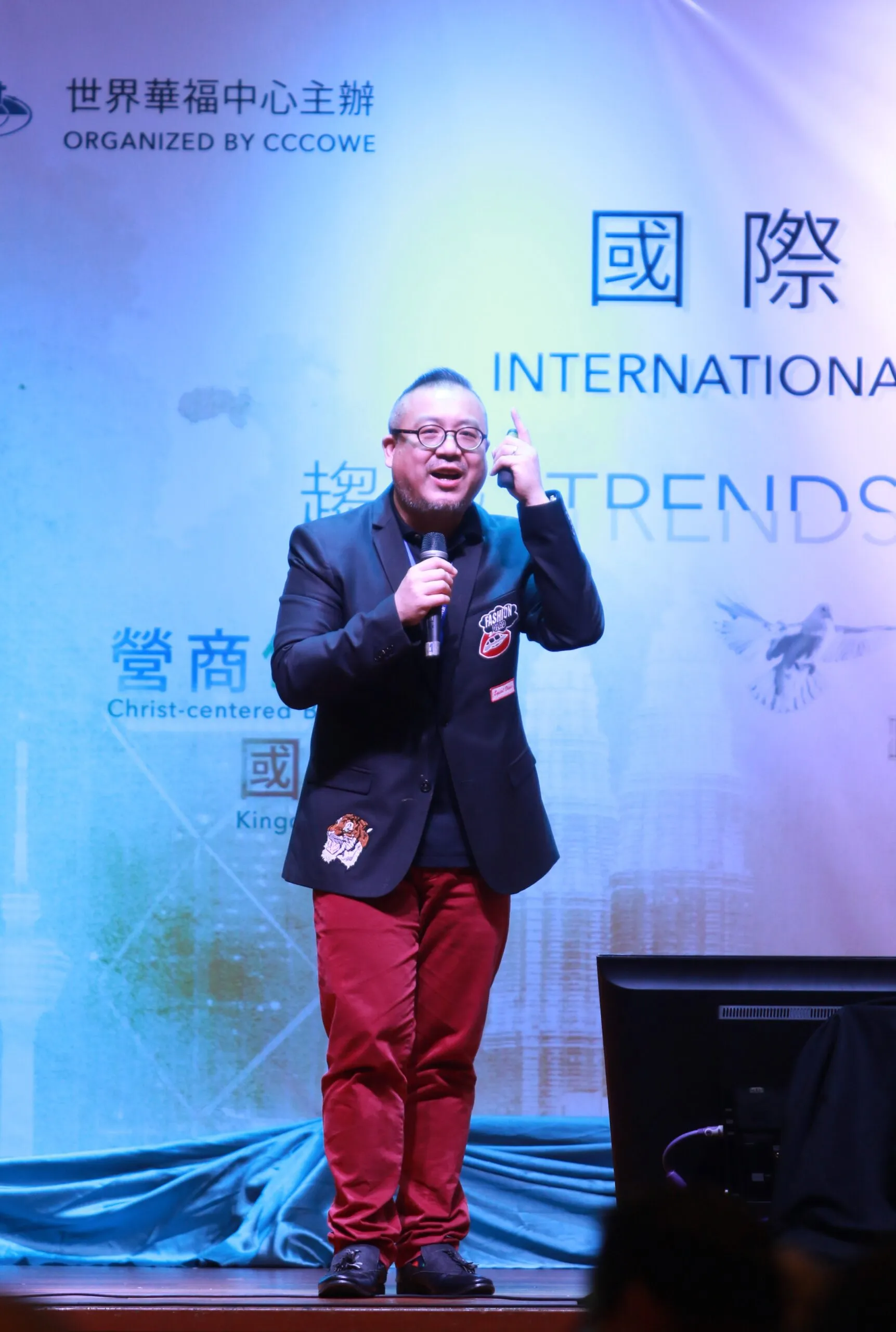
Venue: Kuching, Sarawak, Malaysia
Date: 12-15 Mar 2019
Participants: ~178 people
The 2019 International Entrepreneurs Missional Disciples Training Conference was held at the UCSI Hotel in Kuching, Sarawak, Malaysia, from March 12 to 15, 2019, with the theme “Trends, Opportunities, and Successions.” The conference invited 17 trainers from different countries and regions, with practical business experience and a passion for promoting Business as Mission, to share their insights. The aim was to raise up more Christian business leaders who, in the rapidly changing global business environment, can establish a sound work ethic and life priorities, truly live out the life of a missional disciple, and call on global business leaders to become disciples of Christ and fulfill the Mission in the 21st century.




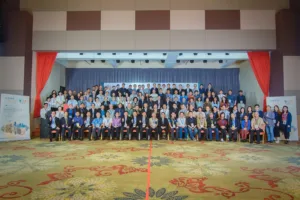
Venue: HKFYG, Hong Kong
Date: 19-22 Jan 2018
Participants: ~381
The Chinese Coordination Centre of World Evangelism (CCCOWE) held the “New Wine, New Wineskins” International Young “Missional Discipleship” Training Camp from January 19-22 at the HKFYG Jockey Club Sai Kung Outdoor Training Camp, Hong Kong. Nearly 400 participants from approximately 22 regions attended, with half of the attendees being under 39 years old.
The conference focused on discussing the evangelistic needs of three people groups: the diaspora Chinese, Indian, and Muslim communities. Various perspectives were explored through speaker presentations, video introductions, case analyses, panel discussions, and small group discussions. This helped participants gain a deeper understanding of the three major unreached diaspora groups in Global Mission. In addition, the conference adopted an “experiential learning” model, featuring 12 interactive workshops (Labs) and multiple small group discussion sessions. The workshops covered a diverse range of topics, including “Church-based Discipleship and Missions,” “Education and Missions,” “Business & Missions,” “Community Care & Missions,” and “New Media and Missions.” In the evenings, the conference also arranged for missionaries from various regions to share their firsthand experiences and life stories from the field.
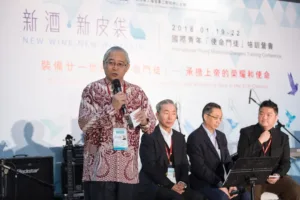
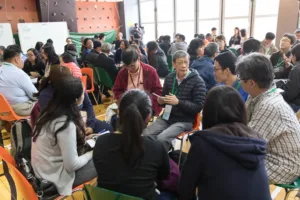


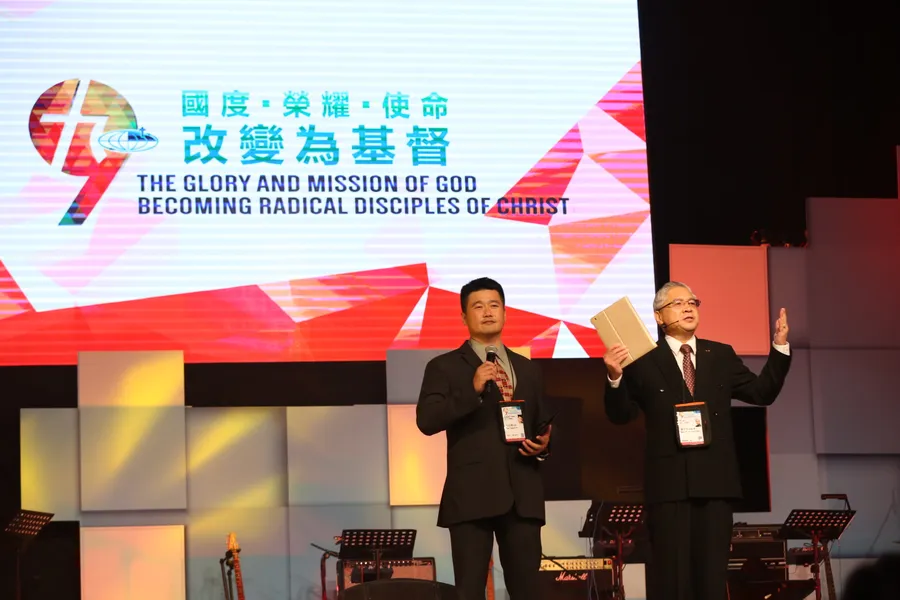
Location: Top Church.Taiwan
Dates: 22-26 Aug 2016
Participants: ~1,500
Joshua Ting
While I was in Boston, Massachusetts leading a summer retreat at the end of May, I had the opportunity to visit several important historical sites afterward. I gained better understanding of the history of the American independence movement from the visit. I was especially impressed by the midnight ride of the patriot Paul Revere, how he alerted people on the British army’s advance. It prompted me to reflect deeply on my own spiritual life.
On April 18, 1775, Dr. Joseph Warren, a leader of the American Patriot organizations in Boston, became aware of the upcoming advancement by the British army, how they planned to move from Boston to Lexington and Concord by water, aiming not only to raid the military supplies of the Sons of Liberty, but more importantly, to capture the two principle leaders, Samuel Adams and John Hancock. Warren enlisted Paul Revere to spread the alarm on the imminent arrival of the British army. Revere first reached Charlestown by boat, then rode to Lexington and Concord in the midnight hour successfully accomplished the mission. The Battles of Lexington and Concord on the following day are often considered to be the opening engagements of the American Revolutionary War.
When confronted with the daunting reality that 3 billion people, or, 40% of the 7.3 billion world population today, belong to the Unreached People Groups (UPGs), how should the Lord’s Church and believers properly respond to such tremendous needs? Paul Revere’s unwavering focus on his assigned mission and his sense of urgency came to mind. His action and attitude serves as an excellent example reminding us whenever facing difficulty, peril, limited opportunity, adverse environment, we must first and foremost humble ourselves to rely on and hold fast to the Lord of the Harvest, arm ourselves with the power of the Holy Spirit and the never changed truth, only then, with love, we venture toward the UPGs through various professional platforms and channels.
Preparation for the 9th Chinese Congress of World Evangelization (the 9th Congress) is near completion. Invitation to the Congress participants began urgently over ten months ago, and we are in the final sprint. The Congress, held every five-year, will have over thirteen hundred pastoral leaders and professionals from all walks of lives all over the world in attendance. With the “Action Research and Model Development” (ARMD) report out, the participants will to share and learn about the seven mission categories on “Discipleship-driven Cross Cultural Mission”.
We do recognize, however, that the Great Commission work does not stop with this upcoming Congress, or, for that matter, any conference. CCCOWE prayerfully envisions the Chinese World Evangelization Movement will continue and expand its mission on spreading the Gospel through the follow up and follow through activities among the Chinese churches worldwide post the 9th Congress. In fact, CCCOWE has already planned the following five forward-looking activities:
May the Lord bless the CCCOWE Movement, as it was originated in Him and supports by the Chinese churches worldwide. We pray fervently that the Chinese Church may vigorously live out the essence of “Chinese Church in unity, spreading the Gospel far and wide, till the Lord’s coming” in the next five years, so that through the testimony we live out as we spread the Gospel in one accord, the Lord may be greatly glorified among all nations.
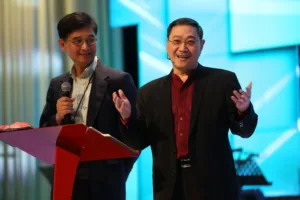
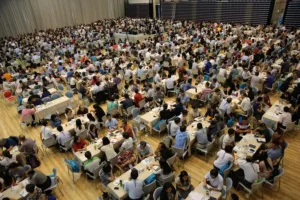
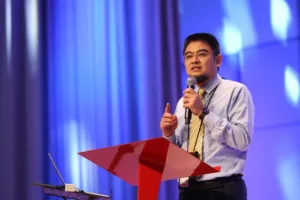

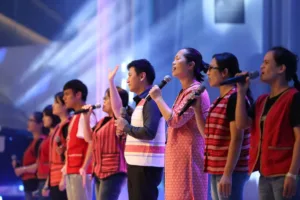


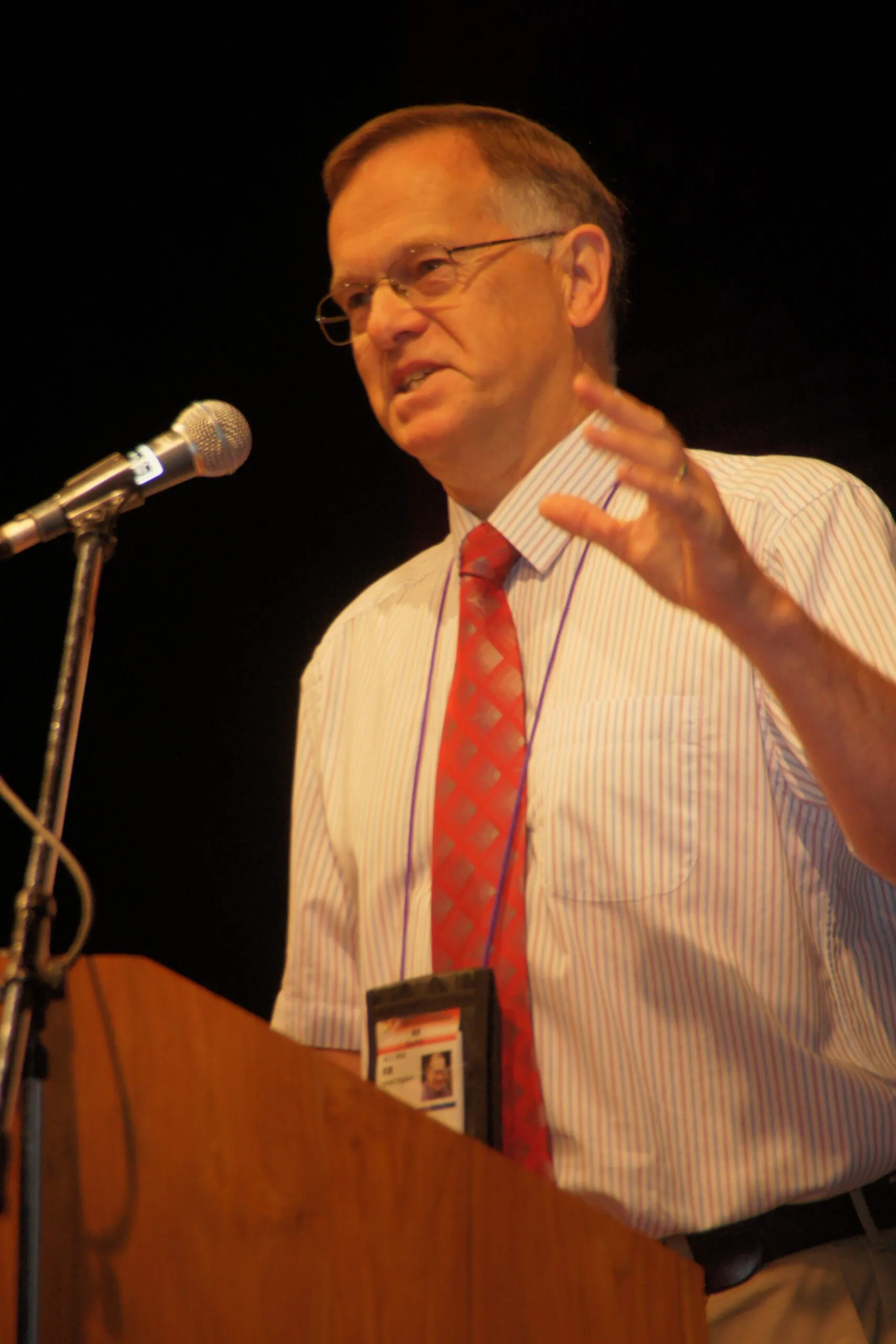
Location: Bali.Indonesia
Dates:12-16 Sep 2011
Participants: ~2,100
When I was asked to attend the 8th Chinese Congress on World Evangelization (CCOWE), I wasn’t sure what to think. Admittedly, traveling to Bali, Indonesia sounded great, but attending yet another conference on yet another topic did not. Ultimately, with the blessing of my incredibly organized and tough wife, I embarked on September 11th at 1:40 am after officiating my first wedding and serving as a groomsman for another wedding in the span of 36 hours. I’ve been asked to share about my thoughts for my denomination’s monthly publication, so here we go:
I arrived in beautiful Bali, Indonesia on September 12th after 24 hours on the road, along with 2132 other pastors and church leaders from 37 countries. About 65% are international visitors like myself while the rest are from Indonesia itself.
Each day we had two plenary sessions, one workshop, one panel discussion, one joint revival meeting, one lunch, one dinner, 2 hours of free time, and corporate worship and prayer. It was exhausting, & sometimes overwhelming, but I was glad to be there to absorb as much as possible. Here are three important lessons I’ve learned:
Gratefully in Jesus,
Rev. Dr. Ho-Ming J. Tsui
Pastor, Richmond Hill Christian Community Church
Toronto, Canada
(Reprinted with permission)
Original article: http://homingle.blogspot.com/2011/09/ccowe-reflection.html


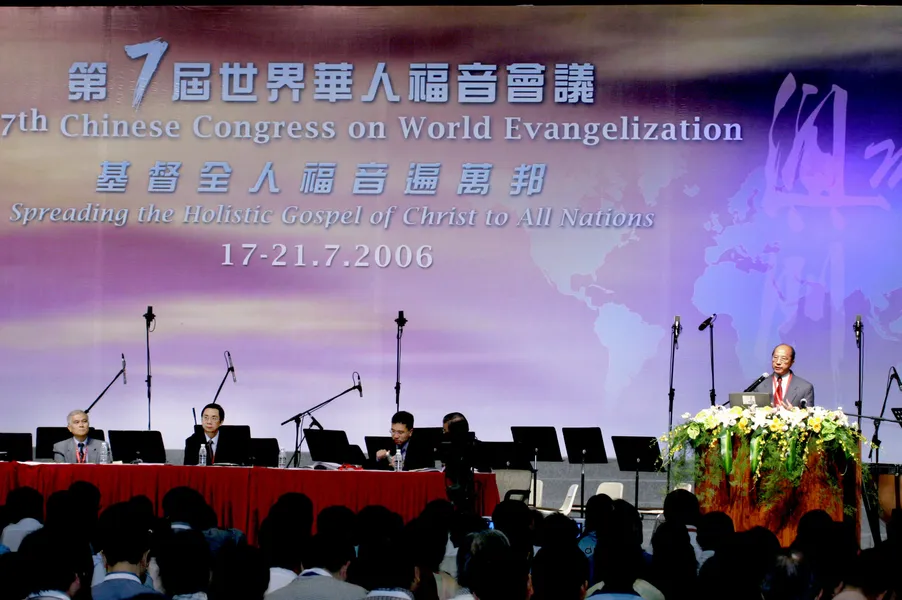
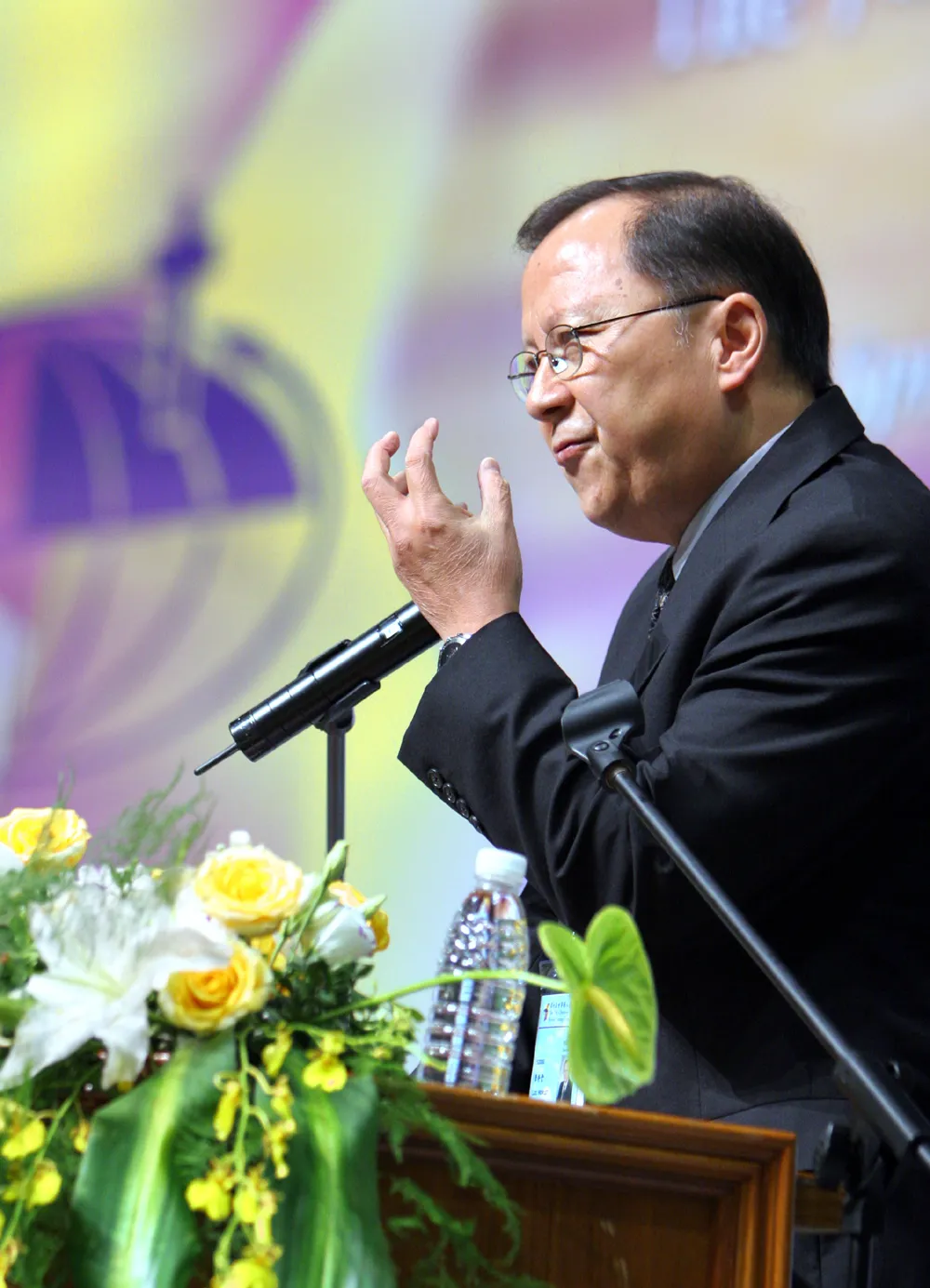
Location: Special Administrative Region of China.Macau
Dates: 17-21 Jul 2006
Participants:~2,600
Participants were led to rethink the evangelistic mandate of the Lord, whose holistic gospel has been bringing about renewal of individual life, church, society, culture, and all nations.
The daily sub-themes -“Renewal of Life,” “Renewal of Society,” “Renewal of Culture,” and “Renewal of All Nations”- were examined from the perspectives of theology, missiology, church history, as well as other professional points of view.
Every morning, there were Bible Study, plenary session as well as response session to explore the daily sub-theme. In the afternoon, other than regional conferences, the congress featured more than 30 daily workshops and seminars led by ministry leaders, missionaries, as well as professionals of diverse sectors.
At the evening Mission Celebration, message was delivered through sermon and video presentation of testimony pertaining to the respective daily sub-theme.
For the first time in CCOWE’s history, there was a parallel English Track. While the morning Bible Study and evening Mission Celebration remained joint sessions, plenary and response sessions as well as workshops were separate meetings designed to meet the specific needs of ethnic Chinese of different continents.
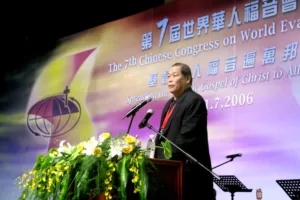
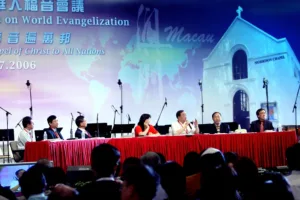

Location: Kuala Lumpur.Malaysia
Dates: 10-14 Jul 2001
Participants: ~1,900
Every day congress participants were blessed with a fresh start by hymns, testimony and prayer; followed by morning sermons on the following topics: “Spirituality & Missions” (by Rev. John Kao), “Urbanization & Missions” (by Dr. Raymond J. Bakke), “Ethnicity & Missions” (by Rev. Cyrus Lam), and “Globalization & Missions” (by Rev. Andrew Shen).
In each afternoon, while participants were attending ten workshops of different themes, experts were gathering together for action plan tracks ranged over various issues, such as theological education, information technology, etc., aiming to bring about reflections on formulating strategies and ministry plans.
In addition to sermons, the evening sessions brought forth the message of the day by various means, such as drama and audio-visual presentation. At the closing ceremony held in the Stadium Putra, Rev. Stephen Tong delivered a sermon on “Why Preach the Gospel?”, and the number of attendance was estimated as exceeded 10,000.




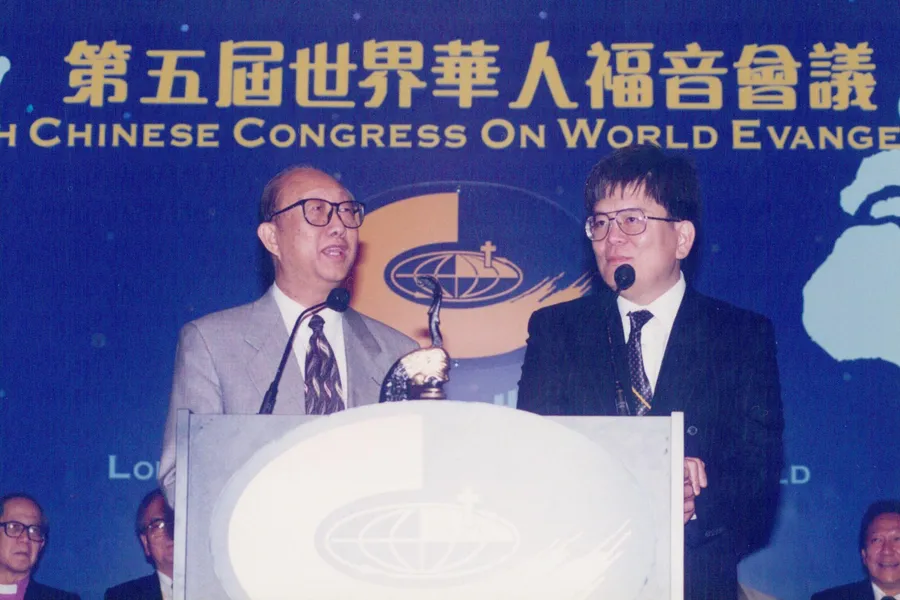
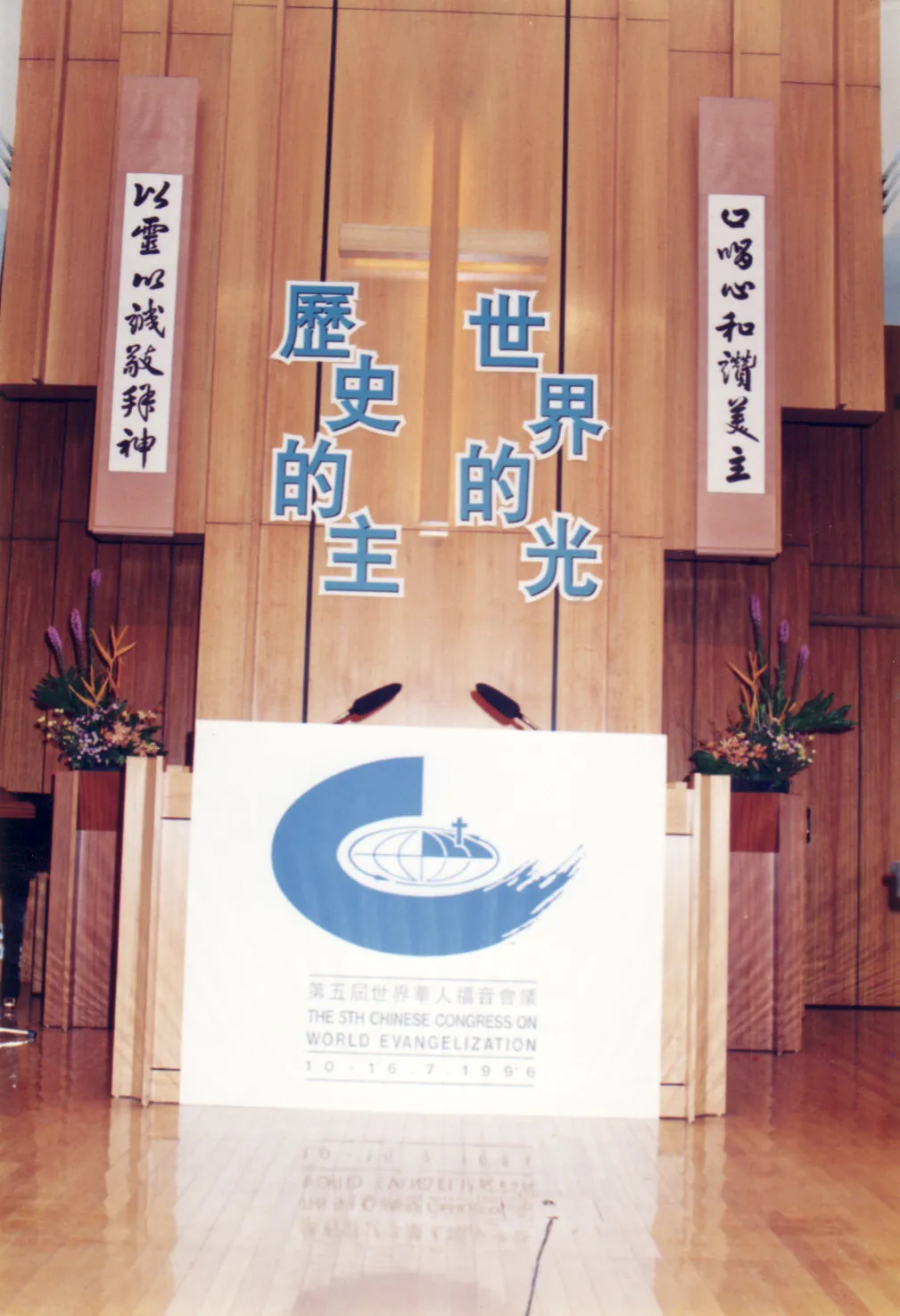
Location: Hong Kong Convention and Exhibition Centre.Hong Kong
Dates:10-16 Jul 1996
Participants:~1,700
Seminar was held every morning. Some important issues in Chinese churches were discussed, like hardship, politics, environmental protection, problems faced by pastors, 21st-century spirituality, Christianity and Chinese culture, the atmosphere and model for preaching, the age of information, family, model of theological education, economic ethics and finance, Holy music and Gospel, the model of missions, the model of church, and others. Besides, some sessions were devoted for participants of all districts to discuss the action plans that were going to be adopted in their districts after the Congress.
The evening sessions were aimed at helping the participants to know Jesus Christ is the light of the world. The topics included “Christianity and Chinese Culture” (by Prof. Peter Lin), “Spirituality in the 21st Century” (by Dr. Philemon Choi), “Preaching Situation and Model” (by Rev. Stephen Tong) and “Chinese, Ethic-Chinese and World Evangelism” (by Rev. Morley Lee and Rev. Samuel Ling).
On Sunday, the CCOWE Missions Rally, titled “Wholly for Gospel.Always for Gospel”, focusing on “The Belief and Commitment on Gospel”, was held in the Hong Kong Stadium. The number of participants was anticipated to have reached 16,000.



Location: Manila, Philippines
Dates: 10-17 Jul 1991
Participants: ~1,500
Following Christ: There were different kinds of worship and prayer meetings in the morning session of the Congress.
Reaching All Peoples: This is a session of Thematic Case Study. Well-informed and brilliant Chinese and non-Chinese speakers addressed on Local Chinese (by Rev. Lo Kenneth), overseas Chinese (by Dr. Gail Law), the unreached in the first and second worlds (by Dr. Samuel Kamaleson and Mr. John D. Robb) and the world’s two-thirds unreached people (by Rev. Luis Bush) so that participants would get a brief picture of the peoples’ situation and could even come up with appropriate actions responding to their needs.
Marching towards AD 2000: Topics of this evening session included “A World of Diversity” (by Dr. Philemon Choi), “A World of Secularity” (by Rev. Stephen Tong), “A World of Hardship” (by Dr. John Chang), “A World of Information” (by Prof. Peter Lin), “A World of Spirituality” (by Rev. Chow Shen-chu) and “A World of the Unreached” (by Rev. Thomas Wang). All were aimed at showing the participants the complexity and challenge of gospel ministry in 1990s.


Location:Chung Yuan Christian University.Taiwan
Dates:6-13 Aug 1986
Participants:~1,800
The theme of the Congress (Renewal, Breakthrough and Growth) constituted the topics of the three evening Revival Meetings.
There was a Bible Exposition session in the morning. The discussion on the concept renovations much needed among Chinese churches was centered on topics of “Kingdom”, “Revival” and “Secularization and Purification”.
Besides, there was a Theme Exposition session. The main topic was “Worldwide Strategy for Chinese Churches” while “50 Million Souls”, “1 Billion Souls” and “50 Billion Souls” were the sub-topics. As what the sub-topics suggested, attention was drawn on discussing missions strategies and worker training targeted for 50 million overseas Chinese, 1 billion local Chinese and 50 billion people in the world. What followed theme exposition was District Discussion where participants could go on the discussion focusing on the needs of their districts.


Location: Singapore
Dates: 17-24 Jun 1981
Participants: ~1,200
There was Seminar in this CCOWE. The main topic of the Seminar was “Disciple Reaping and Training”, with “The Calling and Cost of Being a Disciple”, “The Basis of Reaping Disciple”, “The Mission and Strategy of Reaping Disciple”, “Training of Disciple Reapers” and “The New Horizon of Reaping Disciple” as the sub-topics. Besides, there were four topics for Group Discussion: “Disciples in 1980s”, “Chinese Churches in 1980s”, “Strategies for World Evangelization” and “Workers and Training”.
One of the distinctive features of this CCOWE was the Revival Rally. This was an open meeting with following topics: “Holiness and Power” (by Elder Wu Yong), “Discipline and Growth” (by Dr. Timothy Lin), “Mobilization and Missions” (by Dr. James H. Taylor III), “Youth and Dedication” (by Rev. Stephen Tong) and “Cooperation and Worldwide Evangelization” (by Rev. Gottfried Osei-Mansah).


Location: Kowloon City Baptist Church.Hong Kong
Dates: 18-25 Aug 1976
Participants: ~1,600
The themes of Bible Exposition in the morning were “Heavenly Vision” (by Rev. Stephen Chan) and “Heavenly Mission” (by Rev. John Pao).
Seminar was held in the afternoon and the seminar topics included: “Revelation and Authority”, “Holy Spirit and Expansion”, “Gospel and Witness”, “Missions and Mission: Missions from Biblical Perspective”, “Mission and Missions: Practical Issues among Churches” and “Church and Unity”.


Venue: Port Dickson, Malaysia
Date: October 1-4, 2012
Participants:~240人
Website: http://www.cccowe.org/4thgrassroots/ (Chinese only)
This event was conducted in Chinese, for details, please visit the Chinese page of CCCOWE.


Venue: Wu Kwai Sha Youth Village, Hong Kong
Date: September 29-October 3, 2008
Paticipants:~684
Organizer: Chinese Coordination Centre of World Evangelism
This event was conducted in Chinese, for details, please visit the Chinese page of CCCOWE.


Organizer: Chinese Coordination Centre of World Evangelism
Program Coordinator: CCCOWE–West Malaysia
Co-Organizer: Asia Theological Association for the Grassroots
Theme:
Date: August 10-14, 2004
Venue: The Federal Hotel, Kuala Lumpur, Malaysia
More than 300 grassroots ministry co-workers have gathered in Kuala Lumpur, Malaysia, for a time of fruitful interaction and open sharing. Other than local participants, this conference have drawn numerous co-workers from the four corners of the world, namely Australia, Brunei, Hong Kong, Indonesia, Korea, Macau, Sabah, Sarawak, Singapore, Taiwan, Thailand, United Kingdom, United States, and Vietnam.
There were various sessions at the conference, such as plenary sessions, regional reports, forums, and workshops, to address a broad range of issues. For examples, there were workshops covering ministries to sex workers, alcoholics, drug addicts, gamblers, and the general grassroots community respectively. Moreover, we had invited representatives from almost all the present countries to share with us their local situation and ministries. Whether at the plenary sessions or group discussions, participants were drawn by the messages, which they found highly relevant and extremely helpful to their ministries. Although some participants said that the conference schedule was quite “packed” and they felt rather exhausted, they were still grateful to God for this golden opportunity to have a meet-up with other co-workers in similar ministries.
After careful consideration and discussion, the 3rd International Conference on Chinese Grassroots Evangelism will be held in Hong Kong in July 2008. Until then, pray that all co-workers serving the grassroots will continue to witness Jesus’ love among this most neglected group of our society.


Venue: Singapore
Date: June 25-29, 1990
Paticipants: ~110
This event was conducted in Chinese, for details, please visit the Chinese page of CCCOWE.

Location: Tagaytay, Philippines
Dates: 26-30 Oct 2009
Participants: ~750
Rosa Ching Shao, PhD
Where do I begin to count the many blessings God bestowed on our English track during the recently concluded CCCOWE 3rd Worldwide Chinese Women Mission Conference, held in Tagaytay, Rizal, from October 26 to 30, 2009? The very first words or phrases that come to mind are: Truly a weary, worry and wary yet worthy, worthwhile and wonderful experience! As I ponder more indepth deeply, here are some more thoughts to share:
Especial Touch of God
When the ball started rolling for the planning and organizing by the two logistic working committees, namely, the local Chinese-Filipino team and the HongKong team about two years ago, CCCOWE already specified the set-up of simultaneous English track. I was asked to head up the English track committee. When the global economic crisis erupted unexpectedly toward the last quarter of 2008, the target number of participants given to the English track was 100 participants. At the same time, we also received news that people from abroad would not likely be able to attend due to conflicts of work schedule, etc., and that it is up to us the local group to enlist participants to join. Knowing that in the home front, many local churches have also lined up their annual youth camps and conferences, I feared that a pile of hindrances was placed before me. You see, even our CCOWE young professionals have had their annual meetings this September! Thus, my small working team of 5 to 6 people kept praying during our monthly meeting, that God himself would move the hearts of our young women and those English speaking sisters to come. Everytime I would follow-up the CCOWE office for updates on registration. When I was told the number registered was 49…then, 59… later, 89… My heart leaped with praise and joy! Then closer to 99… I asked, “Where is our 100th sheep? Who wants to be our 100th registrant?!” God is good all the time! We had 151 names officially enlisted as the conference began. However, two sisters were in the waiting list, and they finally joined us as two original Chinese track participants were not able to come due to visa’s problem. That makes us a total of 153 participants, just like the abundant catch of Jesus’ disciples when he showed himself to them by the shore, and the net did not break!
Essential Task Force of People
All the while, the local English track committee maintained close correspondence with one or two personnel from the HongKong group that acted as our co-worker/s. We are more familiar with Sister Dora as opposed to the other members in the working team that finally came on the spot to collaborate and coordinate the detailed scheduling with us. Different culture bring different ways of doing thing; different folks, different strokes. We may be quite accommodating in certain areas such as time management, but the very efficient, effective and ever ready HongKong team kept watch, even to the minutes and seconds of delay or overtime! We really learned to appreciate each other movements and manners. The schedule was kept well and sound, with the cooperation of all concerned, and even the weather did not create any natural disturbances as over 150 of us spent four fruitful mornings in the set-up tents. Speaking of the tent, its overtop ceiling would sway and echo above us, in unison with the turbulent wind outside, that seemed so eager to join us, but we strongly resisted with padlock and hinge.
Exciting Trace of Events
Now came the very main course of our English track program: For three mornings, everyone was so alive, awake and kicking under the singsinspiration of worship and exercise under the four leading ladies of the musical band. They came well prepared and equipped to keep us praising around inside the tent. Aunt Ada Lum, as she has been fondly adored, led the three mornings’ exposition of God’s Word on the Book of Esther. She proved to us that life can still be exciting at 83! We all fell like we had been really to the Persian palace, seeing how Esther’s life unfolded, from a likeable teenage orphan, to a maturing young queen and later, as a woman with full authority, being used by God, for such a time like this! Each morning,one lady missionary was assigned to open the window on the respective mission field for us to see how God reigns even in the gloomiest places. Each day we also stepped into the wonders of praying for each other. Indeed, we have smelled the aromatic Christian service, not just from the open forum session, but also from our participation in the combined evening meetings.
In conclusion, all glory be to God, the Lord of harvest, for as Jesus reminds us: ” So you also, when you have done eveything you were told to do, should say,’we are unworthy servants; we have only done our duty’ “(Luke 17: 10). Looking back, I can attest to God’s mighty Spirit moving along us, giving us all the wind under our wings! Hurray to God who deserves all glory, honor and praise! Let us face life ahead, more than conquerors, enhanced and empowered by the many messages of those Christian women who have gone before us.


Venue: Kota Kinabalu, Sabah, Malaysia
Date: 1-4 Jun 2005
Participants:~840
This event was conducted in Chinese, for details, please visit the Chinese page for the detailed report.


Venue: Malaysia
Date: 20-24 Nov 1998
Participants:~500


Location: Accra, Ghana
Dates: 13-16 Apr 2013
Participants: ~80
please visit the Chinese page for the detailed report.
Location: Nairobi, Kenya
Dates: 3-8 Apr 2008
Participants: ~88
Praise the Lord that the conference as well as various discovery trips have been held successfully.
Let’s read what participants say about that…
Pre-Conference Missionaries’ Retreat
Thank God for giving us a special opportunity to meet with old friends and to get to know many new friends. The sharing from Rev. Cyrus Lam and Rev. Morley Lee were remarkably sweet and to the point! It was a very precious reminder, especially that of Rev. Lee’s talk about the family issues. A million thanks to HIM!
Conference
Venue: South Africa
Date: 25-30 Jul 1998
Participants:~180
Please visit the Chinese page for the detailed report.

Location: Pattaya, Thailand
Date: 9-13 Sep 2008
Participants: ~1000
This event was conducted in Chinese, for details, please visit the Chinese page of CCCOWE.


Location: Pattaya, Thailand
Date: 9-13 Sep 2008
Participants: ~1000
This event was conducted in Chinese, for details, please visit the Chinese page of CCCOWE.

Location: Kuala Lumpur, Malaysia
Date: 14-18 Sep 2004
Participants: ~600
This event was conducted in Chinese, for details, please visit the Chinese page of CCCOWE.


Location: Taiwan
Dates: 14-17 Jan 2013
Participants: ~110
This event was conducted in Chinese, for details, please visit the Chinese page of CCCOWE.
Location: Hong Kong
Dates: 11-13 Nov 2009
Participants: ~100
This event was conducted in Chinese, for details, please visit the Chinese page of CCCOWE.
Location: San Francisco, U.S.A.
Dates: 4-6 Dec 2007
Participants: ~50
This event was conducted in Chinese, for details, please visit the Chinese page of CCCOWE.
Location: Singapore
Dates: 21-24 Nov 2005
Participants: ~100